Soviet History
-
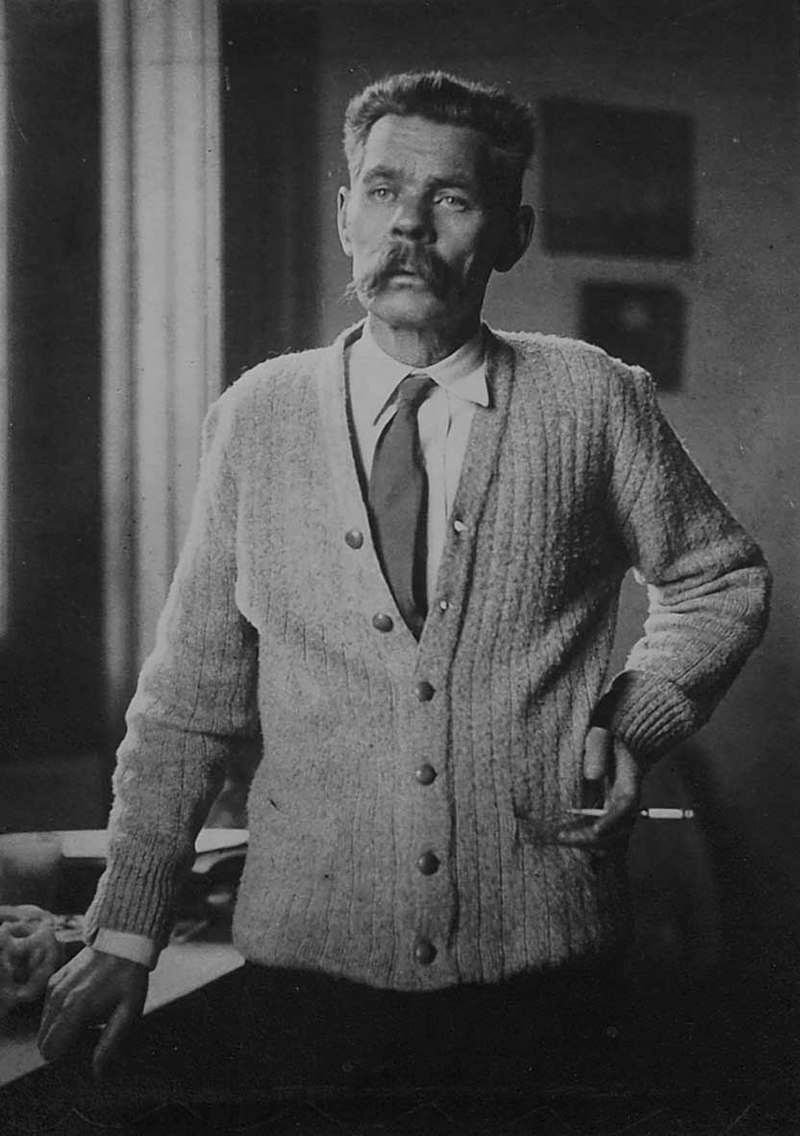
Maxim Gorky (1868–1936) was a pivotal Russian writer whose experiences of poverty shaped his literary themes focused on the working class. A supporter of the Bolshevik Revolution, he later criticized its authoritarianism, leading to self-imposed exile. His legacy endures through his works that explore revolutionary ideals and individual freedoms.
-

Alexei Rykov (1881–1938) was a key Bolshevik leader and Soviet statesman instrumental in the early Soviet Union’s formation. After opposing Lenin, he later became Premier but fell out of favor with Stalin due to his support for the NEP. Arrested during the Great Purge, he was executed in 1938. He was rehabilitated posthumously in 1988.
-

Alan Woods’s “Bolshevism: The Road to Revolution” provides a comprehensive Marxist analysis of the Bolshevik Party’s origins and evolution. The book highlights the ideological and strategic foundations of Bolshevism, distinguishing it from Stalinism, and emphasizes the significance of theory in revolutionary practice. This work serves as an essential resource for understanding socialist movements.
-

Christian Rakovsky (1873–1941) was a key Marxist revolutionary and diplomat influential in the Bolshevik movement. He advocated for socialist internationalism and played significant roles in Ukraine and as Soviet ambassador to France. Ultimately, his opposition to Stalinist policies led to his expulsion from the Communist Party and execution during the Great Purge.
-

Victor Serge (1890–1947) was a Marxist intellectual and novelist, born to exiled Russian revolutionaries. He evolved from anarchism to Bolshevism, later criticizing Stalin’s authoritarianism. Expelled from the Communist Party and the Soviet Union, he became a key anti-Stalinist figure. His notable works reflect revolutionary zeal and ethical dilemmas. Serge’s legacy endures in Marxist thought.
-

Adolph Joffe (1883-1927) was a key figure in early Soviet history, transitioning from Menshevism to Bolshevism. He contributed significantly as a diplomat, representing Soviet interests in Germany and China, while opposing Stalin’s rising power. His commitment to revolutionary ideals ultimately led to his marginalization and suicide, highlighting the regime’s internal conflicts.
-
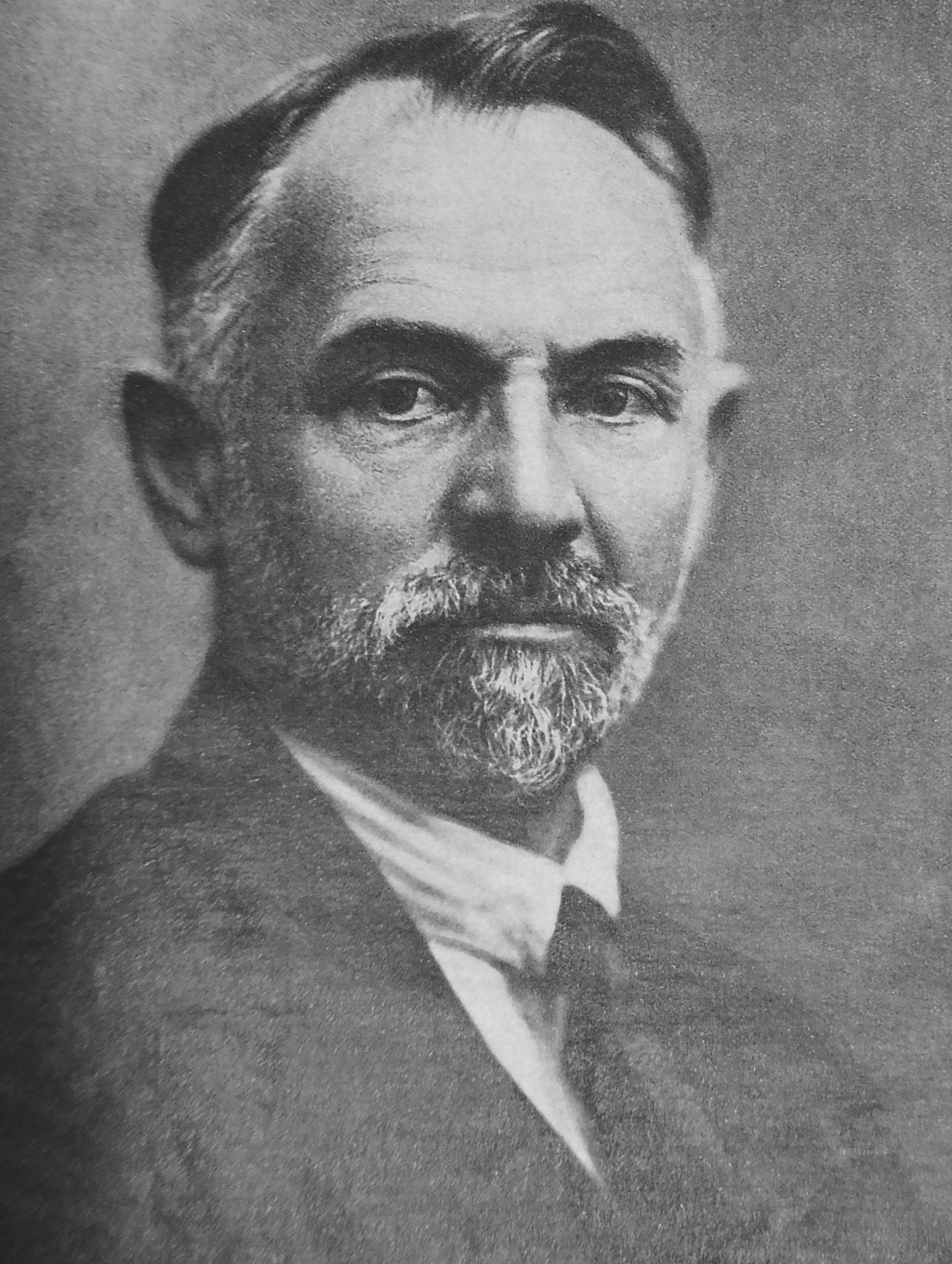
Leonid Borisovich Krasin (1870–1926) was a significant Russian revolutionary and diplomat whose engineering skills advanced the early Soviet state. Involved with the Bolsheviks, he negotiated key trade agreements post-1917 and held various government roles. Despite his later sidelining, his legacy endures, recognized with icebreakers named in his honor.
-
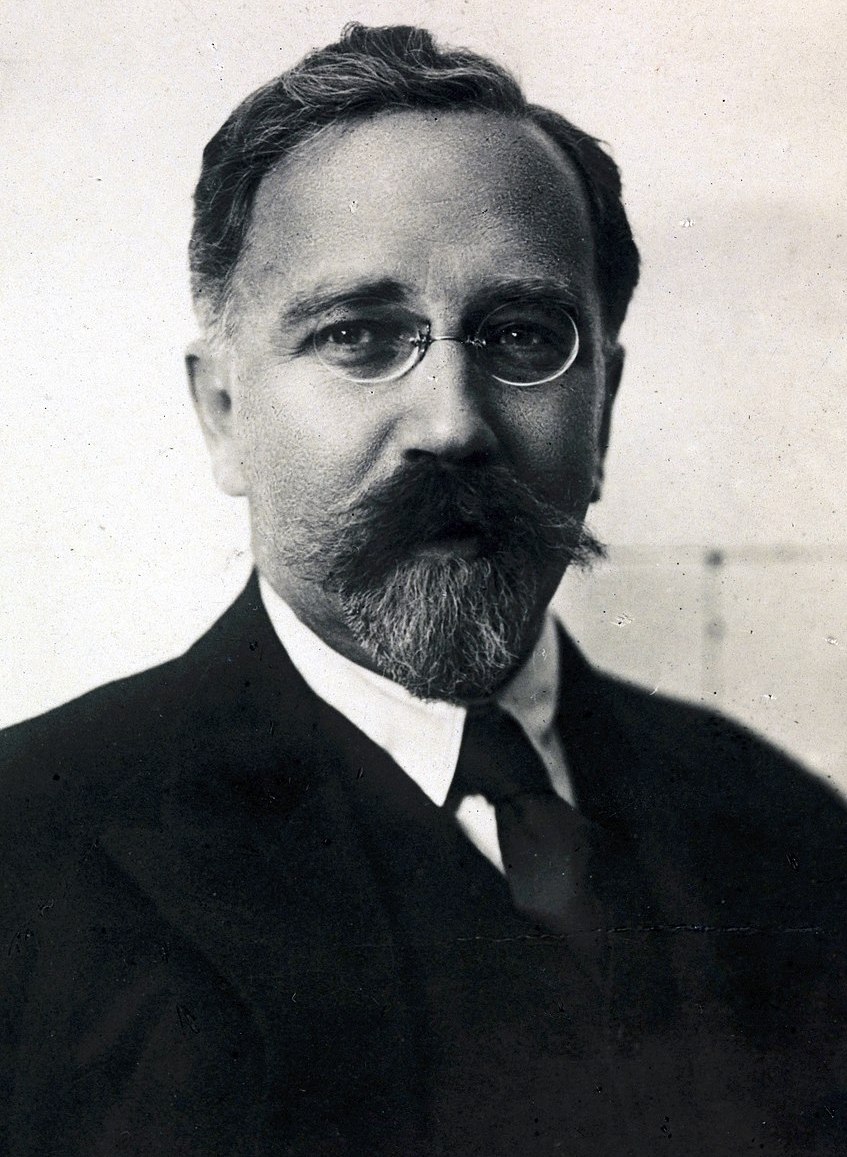
Lev Kamenev was a key Bolshevik revolutionary and early Soviet leader, closely associated with Lenin. He opposed the October Revolution’s timing but played significant roles in Soviet governance and policy. Ultimately critical of Stalin, he joined the United Opposition, was purged, and executed during the Great Purge, highlighting the tragic fate of early Bolsheviks.
-
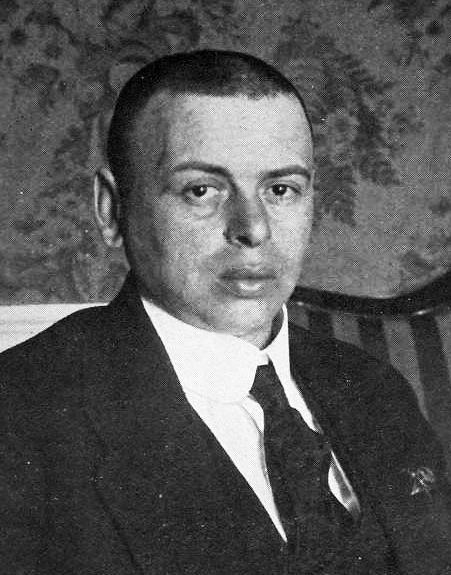
Béla Kun (1886–1938) was a key Hungarian communist leader, known for establishing the Hungarian Soviet Republic in 1919. Influenced by the Russian Revolution, he implemented radical reforms but faced significant opposition, leading to the state’s collapse. After fleeing, he was executed during Stalin’s purges, leaving a controversial legacy of communism and repression.
-

Leon Trotsky’s The Revolution Betrayed critiques the Soviet Union’s deviation from revolutionary ideals under Stalin. Published in 1937 and reissued in 2015, it analyzes the rise of bureaucracy and predicts the USSR’s collapse due to systemic issues. Trotsky’s insights on democracy and governance remain relevant for contemporary discourse in political and economic contexts.
 Letters from Tomis