Soviet History
-
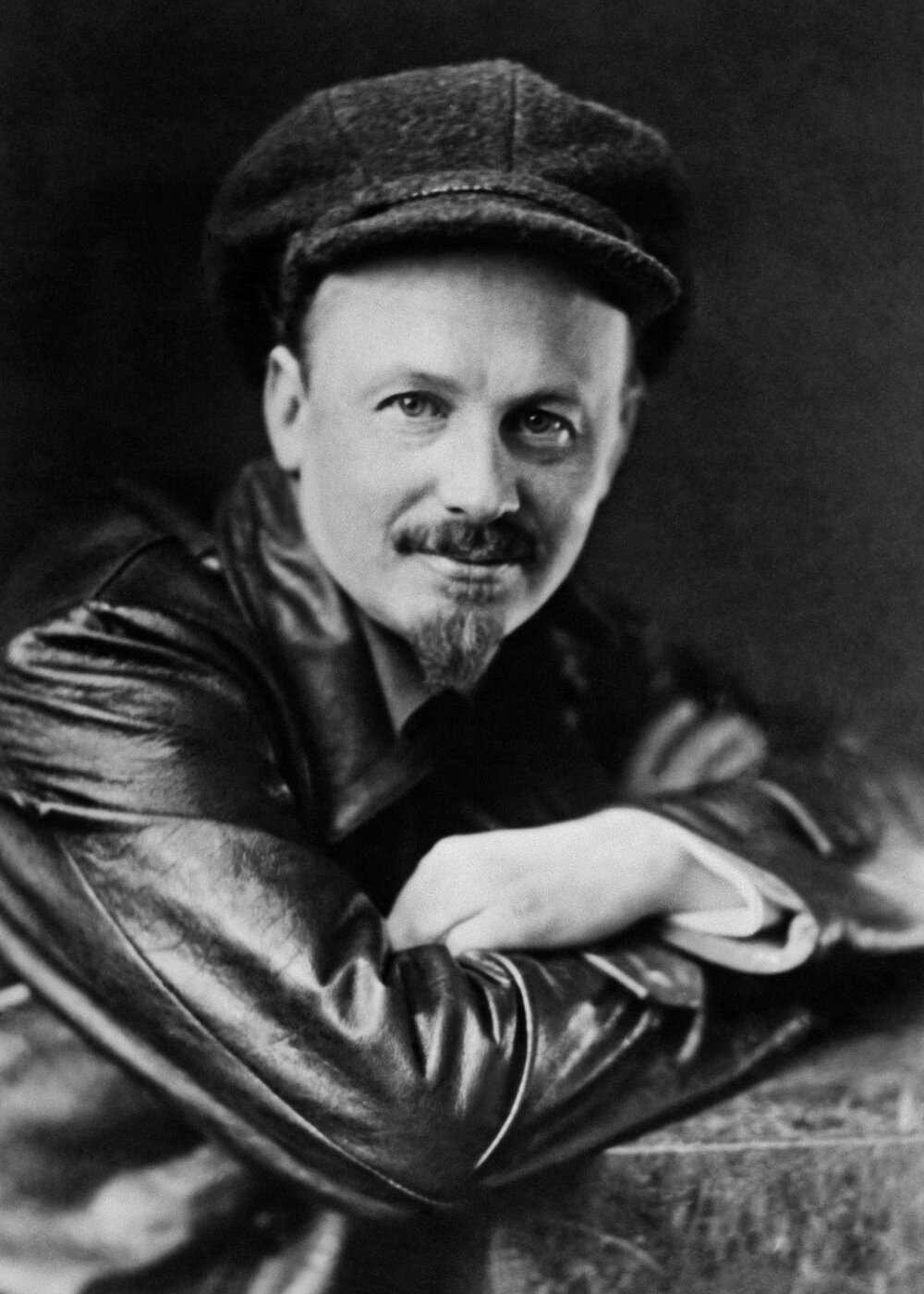
Stephen F. Cohen’s Bukharin and the Bolshevik Revolution offers a nuanced portrait of Nikolai Bukharin, portraying him as a significant Bolshevik strategist rather than merely a foil to Stalin. The book examines Bukharin’s theories and policy proposals amidst Soviet internal struggles, highlighting critiques of the NEP and the importance of peasant alliances, while acknowledging its…
-
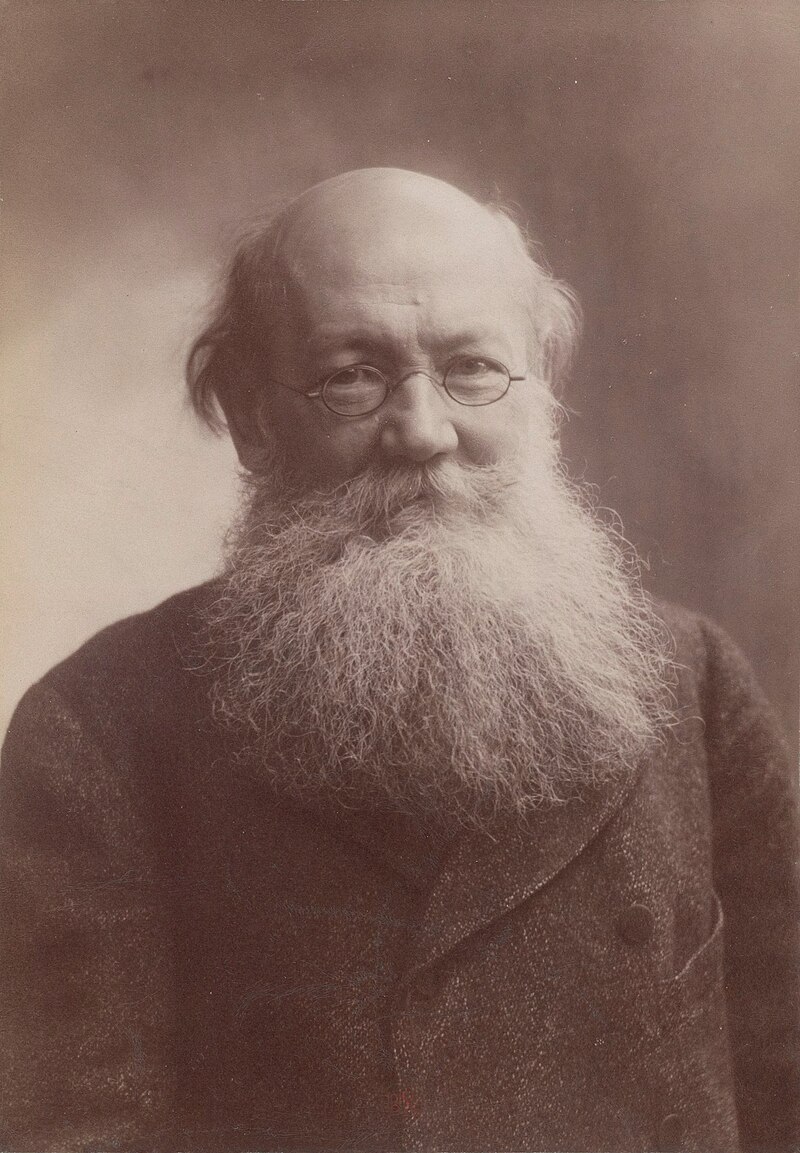
Prince Pyotr Kropotkin (1842–1921) was a significant revolutionary thinker and anarchist communist. A nobleman turned revolutionary, he synthesized Enlightenment thought and Darwinian science, advocating decentralized cooperation through works like Mutual Aid. After the 1917 Russian Revolution, he criticized Bolshevik centralization, leaving a legacy of ethical socialism and communalism.
-
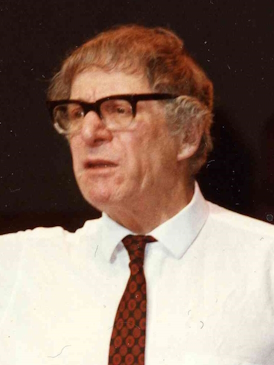
Ted Grant’s Selected Works, Vol. One presents his analyses of Stalinism and the Soviet Union’s class nature, emphasizing “proletarian Bonapartism.” Edited by Steve Iverson, this volume merges historical case studies with theoretical clarity, making it relevant for contemporary Marxist debates. However, it has limitations in empirical scope and cultural analysis.
-
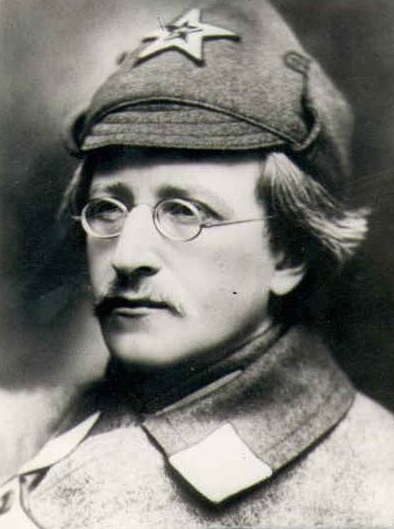
Vladimir Antonov-Ovseenko was a key figure in the early Soviet era, transitioning from soldier and Bolshevik organizer to diplomat and prosecutor. His roles included command in the Russian Civil War and serving as Consul General during the Spanish Civil War. He faced execution during Stalin’s purges but was posthumously rehabilitated.
-
Ted Grant’s “Russia: From Revolution to Counter-Revolution” provides a comprehensive analysis of the Soviet Revolution, Stalinism, and its aftermath. Through a Trotskyist lens, he critiques bureaucratic distortions while acknowledging the revolution’s social achievements. Despite its strengths in historical breadth and clarity, the book is limited by its focus on political over social dimensions and selective…
-
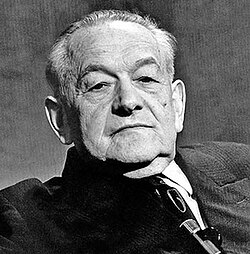
Leopold Trepper (1904–1982) was a key figure in 20th-century espionage and Soviet intelligence. As the leader of the “Red Orchestra,” he established a significant anti-Nazi network. After being captured by the Gestapo, he escaped and later faced suspicion in the USSR. His memoir, “The Great Game,” encapsulates his legacy.
-
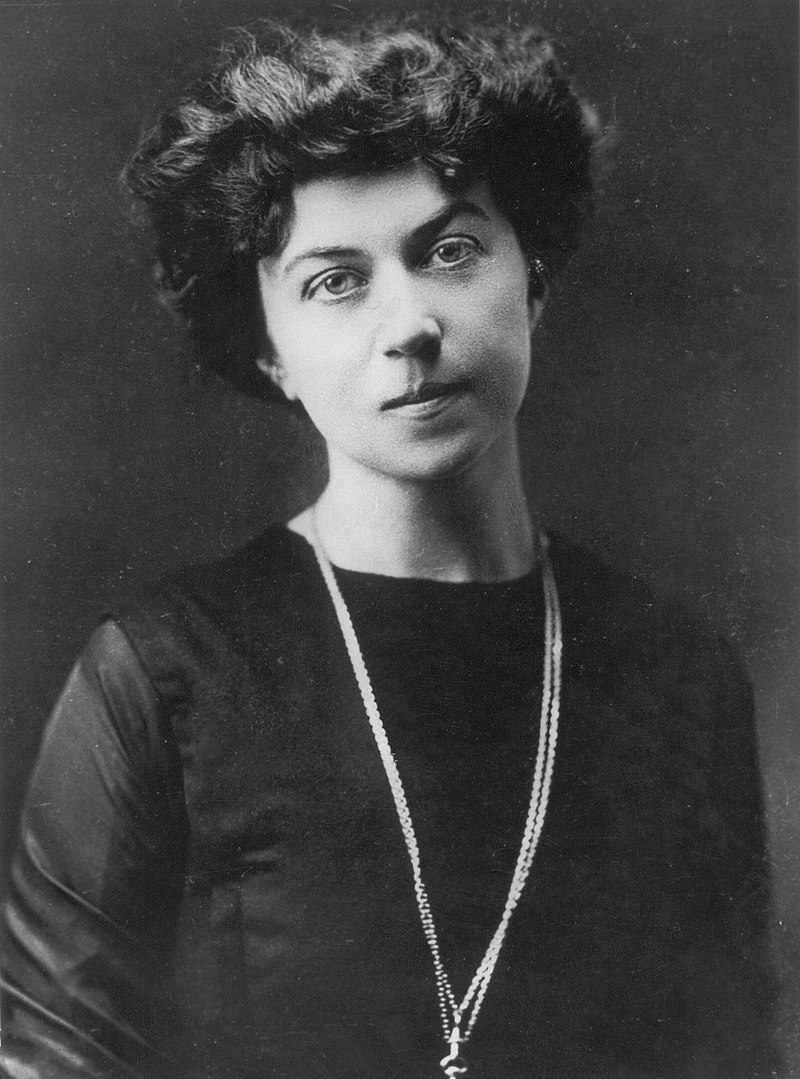
Alexandra Kollontai (1872–1952), a prominent socialist and the first female minister in history, challenged gender oppression under capitalism through Marxist ideology. A key figure in the Bolshevik Revolution, she advocated for women’s rights and social reforms, later criticizing bureaucratic centralization. Despite her marginalization, her feminist theories continue to influence contemporary thought.
-
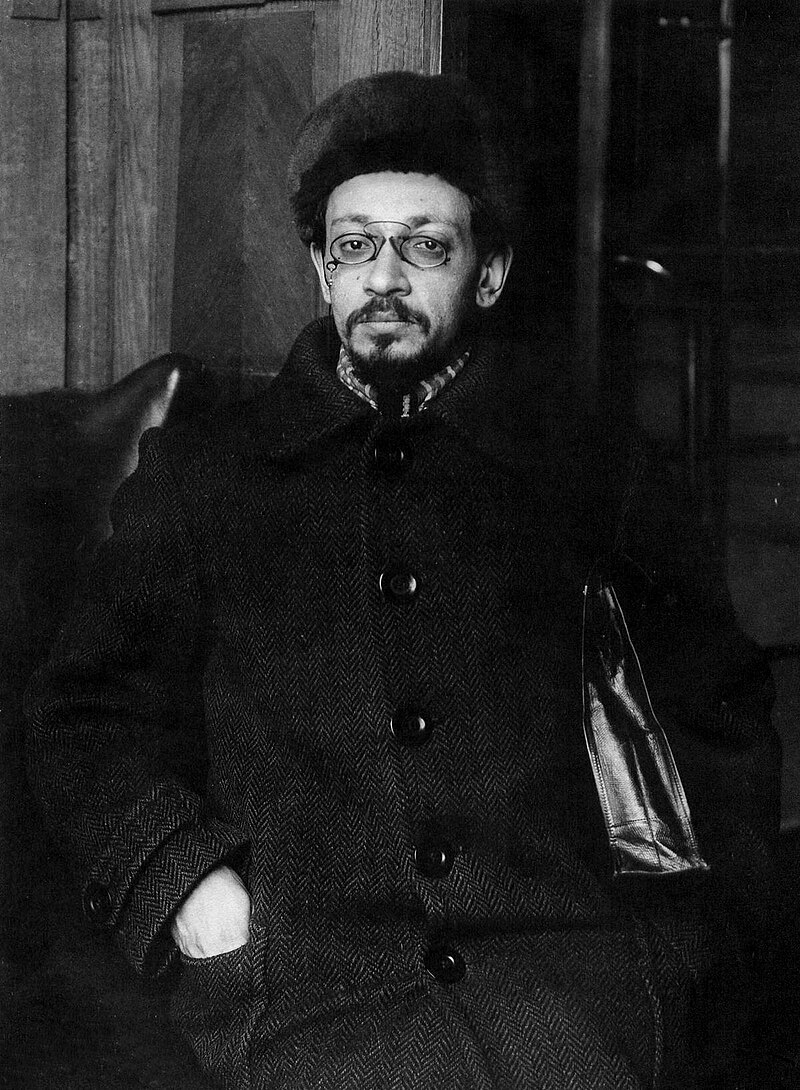
Yakov Sverdlov (1885–1919) was a key figure in the Russian Revolution, known for his organizational skills within the Bolshevik party. As the first head of the Soviet state, he played an essential role in consolidating power and developing the party-state structure. His early death curtailed a potentially significant political legacy.
-

My Socialist Hall of Fame During this chaotic era of vile rhetoric and manipulative tactics from our so-called bourgeois leaders, I am invigorated by the opportunity to reflect on Socialists, Revolutionaries, Philosophers, Guerrilla Leaders, Partisans, and Critical Theory titans, champions, and martyrs who paved the way for us—my own audacious “Socialism’s Hall of Fame.” These…
-
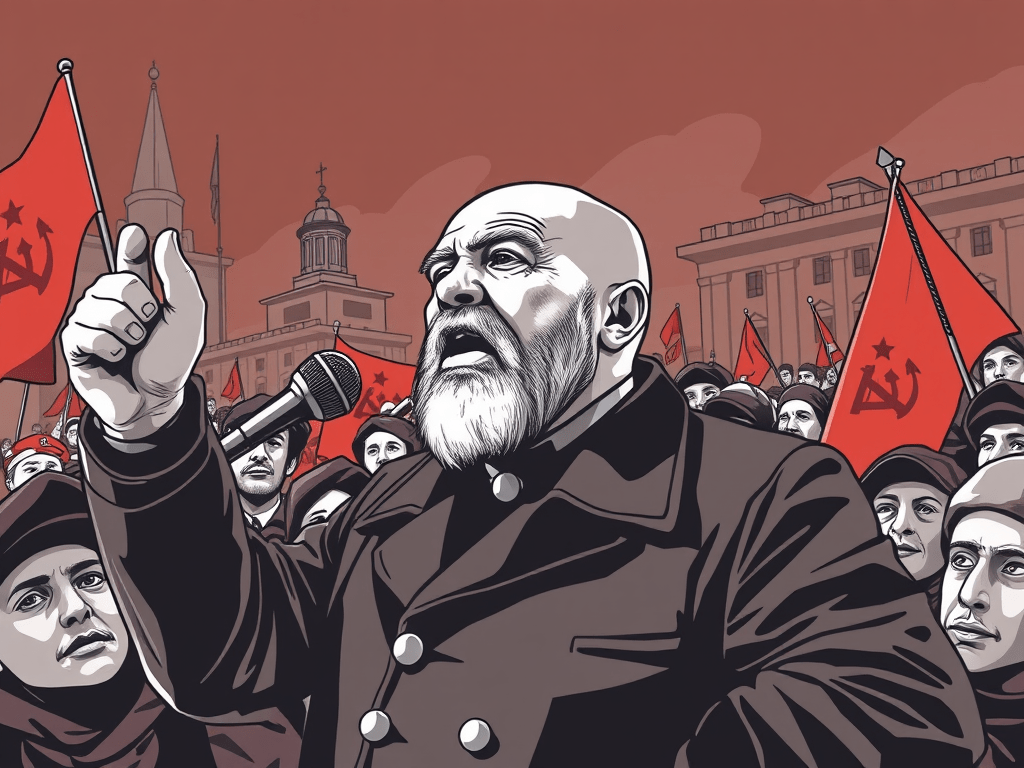
Vladimir Lenin’s State and Revolution is a pivotal Marxist text that critiques reformist approaches and emphasizes the necessity of a proletarian state to dismantle bourgeois power. Written in 1917, it combines theoretical rigor and revolutionary strategy, offering insights for contemporary struggles against inequality and capitalist frameworks, retaining its significance over time.
 Letters from Tomis