Socialist Hall of Fame
-
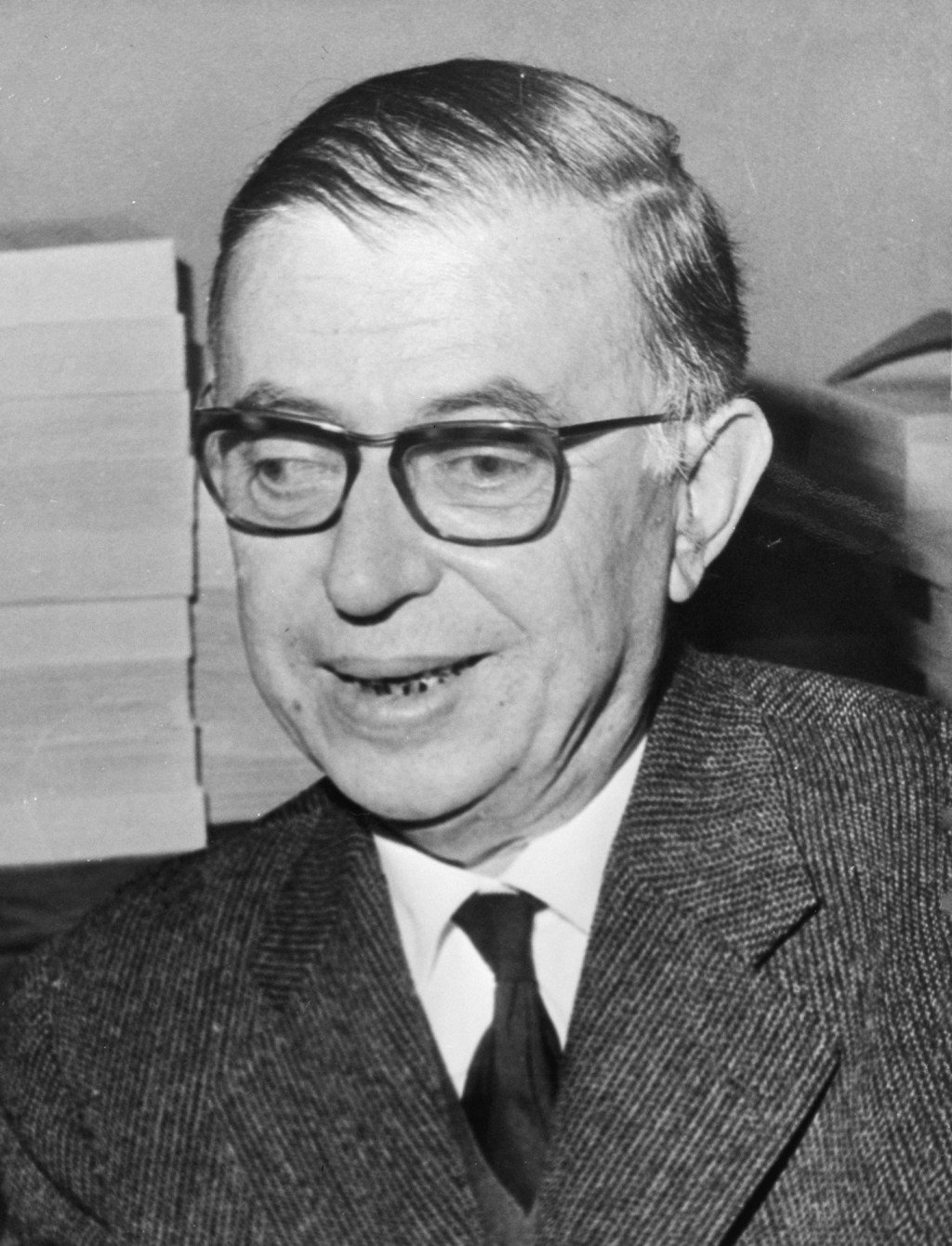
Jean-Paul Sartre (1905–1980) was a pivotal French existentialist philosopher whose works examined human freedom and responsibility in an indifferent universe. His book “Being and Nothingness” established foundational existentialist ideas. A prolific novelist and playwright, he also engaged in political activism and declined the Nobel Prize in Literature, emphasizing intellectual independence.
-
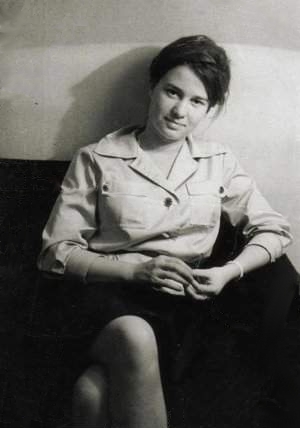
Ulrike Meinhof, a German journalist and co-founder of the Red Army Faction, evolved from a respected intellectual to a revolutionary militant. Her radicalization, driven by disillusionment with traditional protest, led to violence justified by Marxist ideology. Arrested in 1972, Meinhof’s death in 1976 remains controversial, symbolizing state repression and revolutionary tragedy.
-

Fidel Castro, born on August 13, 1926, became a central figure in Cuba’s revolutionary movement against Batista’s regime. His rise to power began with the 1953 Moncada attack, leading to his governance and significant reforms. Castro’s leadership saw Cuba align with Soviet socialism amid Cold War tensions, facing criticism for human rights abuses while improving…
-

Félix Guattari (1930–1992) was a French psychoanalyst and philosopher renowned for co-authoring “Anti-Oedipus” with Gilles Deleuze, proposing schizoanalysis which critiqued capitalism’s effects on desire. His later works, like “The Three Ecologies,” promoted ecological and social justice, influencing contemporary philosophy, activism, and therapeutic practices until his death in 1992.
-

Jean Jaurès, a pivotal figure in modern socialism, advocated for peace, workers’ rights, and social justice in France. An eloquent speaker and thinker, he supported universal suffrage and economic reform. Assassinated in 1914 before World War I, Jaurès’s legacy endures in socialist movements, promoting democracy, equality, and international cooperation.
-
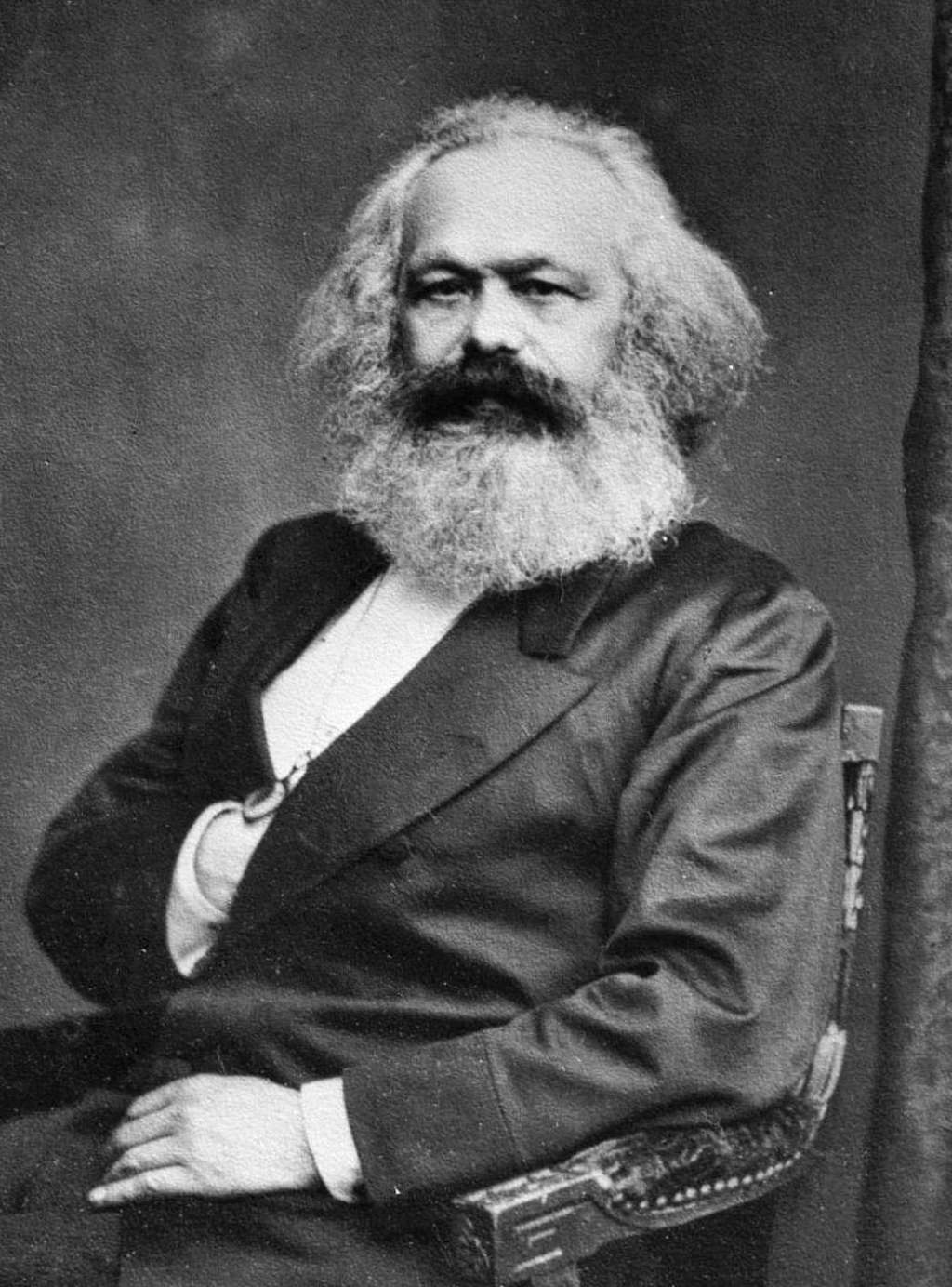
My Socialist Hall of Fame During this chaotic era of vile rhetoric and manipulative tactics from our so-called bourgeois leaders, I am invigorated by the opportunity to reflect on Socialists, Revolutionaries, Philosophers, Guerrilla Leaders, Partisans, and Critical Theory titans, champions, and martyrs who paved the way for us—my own audacious “Socialism’s Hall of Fame.” These…
-

Andreas Malm is a notable Swedish scholar, author, and associate professor whose work focuses on human ecology, environmental history, and political ecology. He examines the relationship between capitalism and climate change, advocating for radical climate activism. His influential writings include “Fossil Capital” and “How to Blow Up a Pipeline,” emphasizing ecological justice.
-

Nancy Fraser, an influential American philosopher and critical theorist, specializes in political philosophy, feminist theory, and social criticism. Known for her dual framework of “redistribution and recognition,” Fraser critiques neoliberalism and capitalism’s effects on democracy. Her work addresses social justice, gender, race, and class, advocating for inclusive democratic deliberation.
-
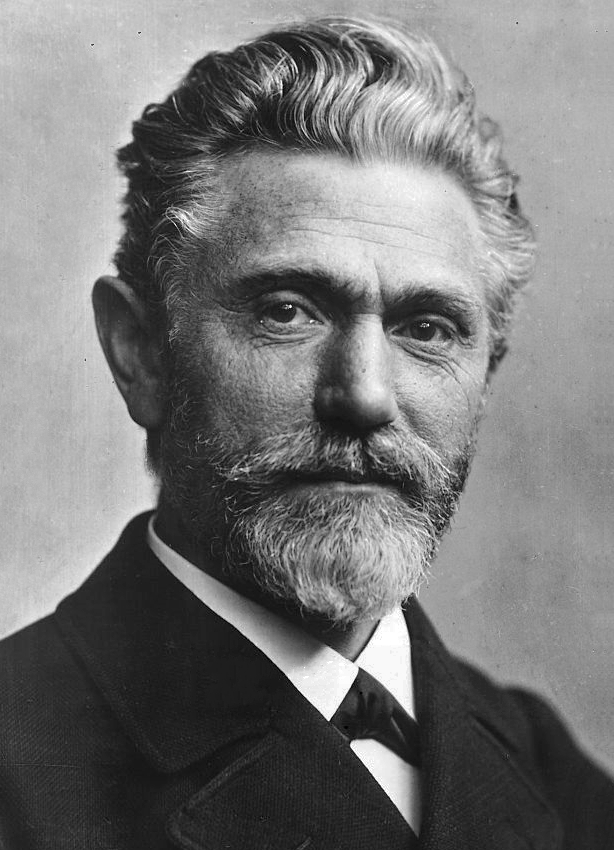
August Ferdinand Bebel (1840–1913) was a key figure in German socialism and co-founder of the Social Democratic Party of Germany (SPD). A committed Marxist, he advanced democratic socialism, advocating for gender equality in “Woman and Socialism.” Despite persecution, Bebel’s legacy endures as a catalyst for labor rights and social welfare initiatives.
-
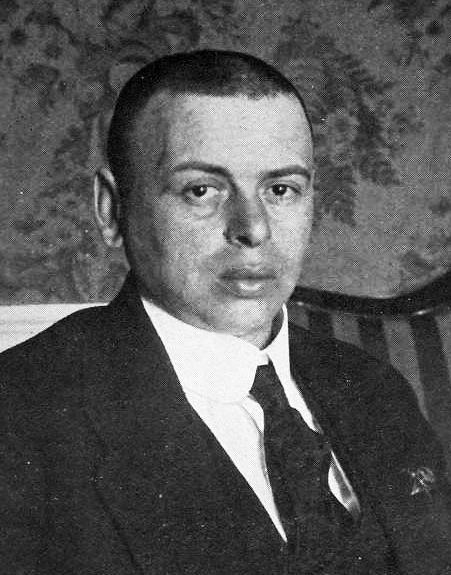
Béla Kun (1886–1938) was a key Hungarian communist leader, known for establishing the Hungarian Soviet Republic in 1919. Influenced by the Russian Revolution, he implemented radical reforms but faced significant opposition, leading to the state’s collapse. After fleeing, he was executed during Stalin’s purges, leaving a controversial legacy of communism and repression.
 Letters from Tomis