Socialist Hall of Fame
-
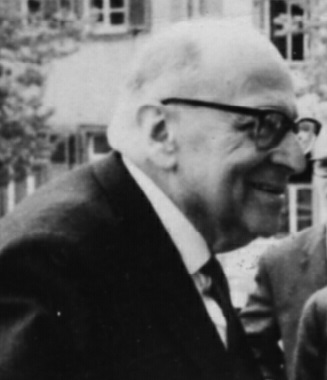
Max Horkheimer (1895–1973) was a prominent German philosopher and sociologist associated with the Frankfurt School. He critiqued modern capitalism and rationality, co-authoring the influential work “Dialectic of Enlightenment.” Exiled during Nazism, he returned after WWII, leaving a lasting impact on critical theory, cultural studies, and political philosophy.
-
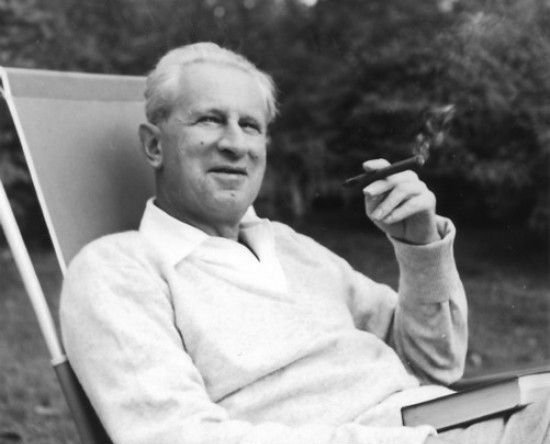
Herbert Marcuse, a German-American philosopher linked to the Frankfurt School, critiqued capitalist societies using Marxist and psychoanalytic theories. Influenced by Heidegger, he fled Nazism and gained fame in the 1960s with One-Dimensional Man, advocating for radical change. Marcuse’s work focused on ideological control, culture, and liberation until his death in 1979.
-
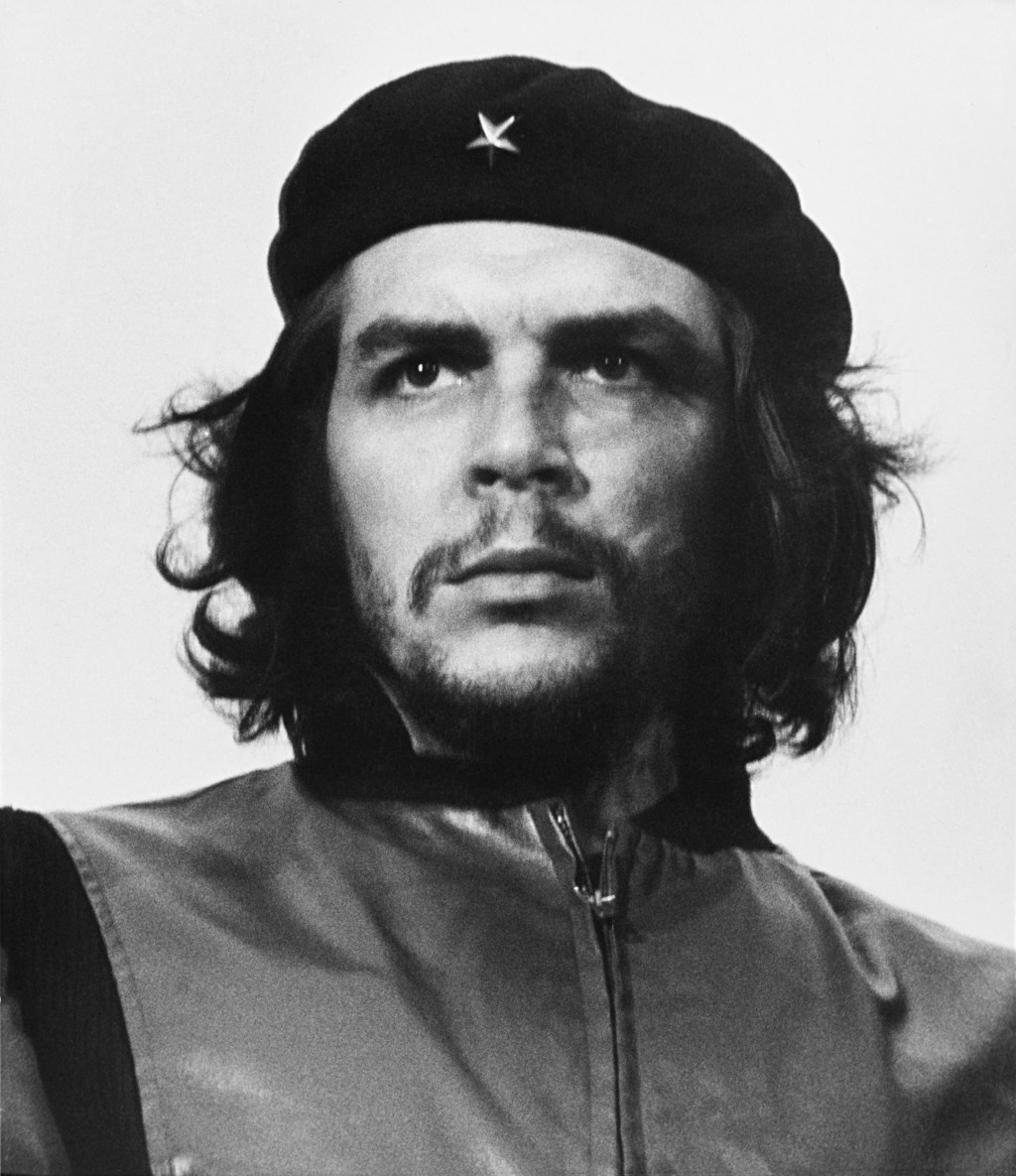
Ernesto “Che” Guevara (1928-1967) was an Argentine Marxist revolutionary and key figure in the Cuban Revolution. Influenced by social injustices during his travels, he joined Fidel Castro’s movement to overthrow Batista. Guevara sought global revolutions but was captured and executed in Bolivia. He is a polarizing icon of rebellion.
-

Bertolt Brecht, born in 1898, became a leading playwright known for his epic theatre and political critique. His major works include The Threepenny Opera and Mother Courage. After fleeing Nazi Germany, he founded the Berliner Ensemble in East Germany. Brecht’s innovative techniques profoundly impacted modern theatre and continue to influence artists today.
-
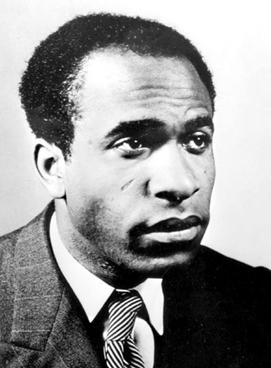
Frantz Fanon, born in 1925 in Martinique, was a significant figure influenced by French colonialism and his experiences as a psychiatrist during the Algerian War. His major works, including “Black Skin, White Masks” and “The Wretched of the Earth,” explored themes of racism, decolonization, and revolutionary thought, inspiring global anti-colonial movements. Fanon died in 1961.
-
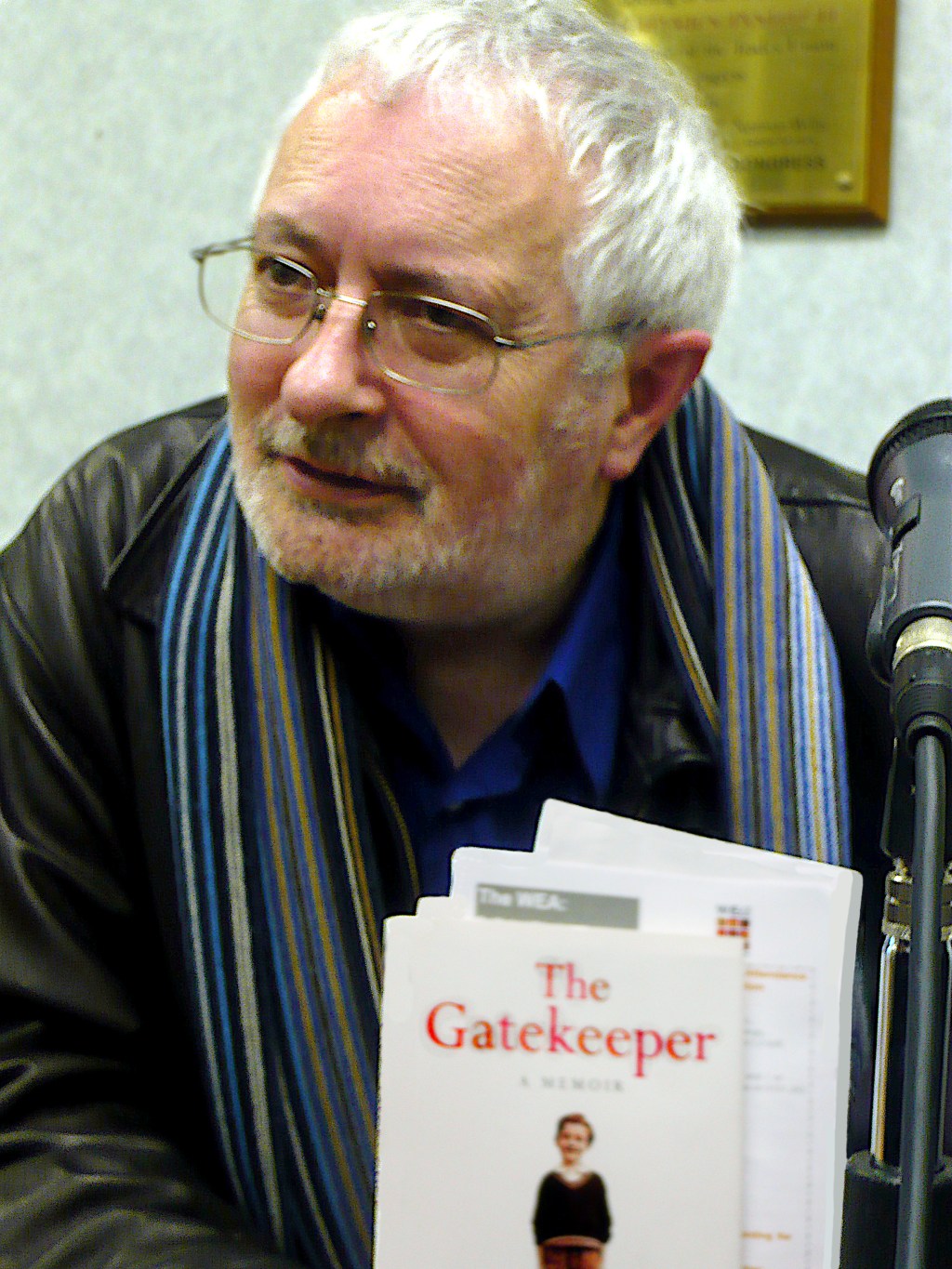
Terry Eagleton, born in 1943, is a leading British literary theorist recognized for his Marxist interpretations of literature. His academic career spans prestigious institutions, with works that blend accessibility and wit. Defending Marxist critique against postmodernism, Eagleton examines ideology and culture through extensive publications, remaining a vital contemporary intellectual figure.
-
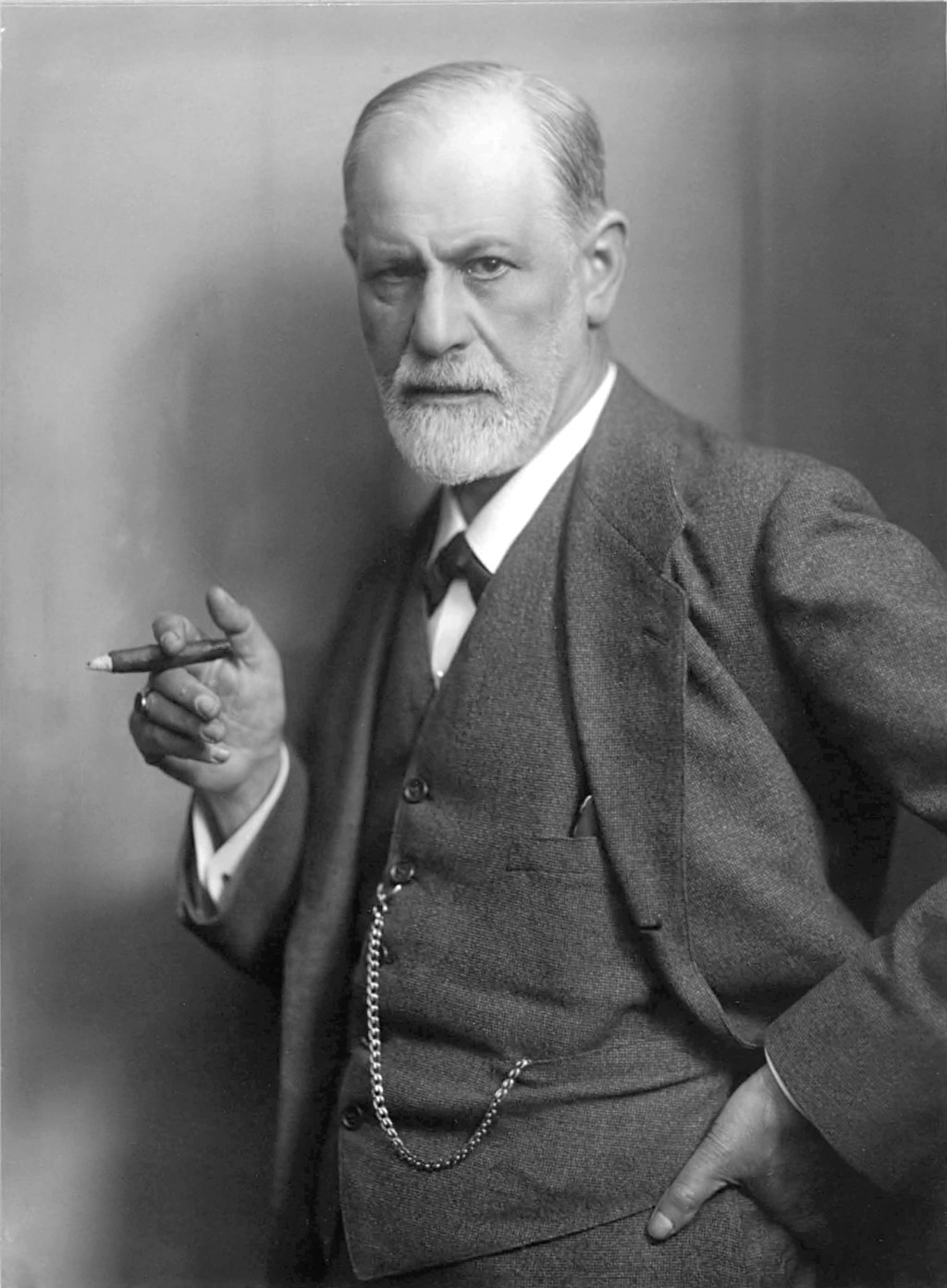
Sigmund Freud (1856-1939), an Austrian neurologist, founded psychoanalysis, revolutionizing psychology and psychiatry. His theories on the unconscious mind, including concepts like repression and the Oedipus complex, stemmed from his medical studies and hypnosis experiences. Despite facing Nazi persecution, he continued his influential work until his death in London.
-
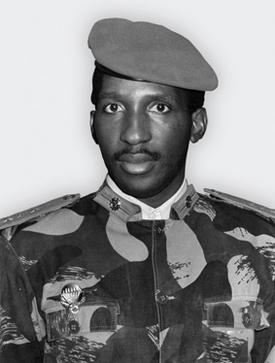
Thomas Sankara (1949–1987) was a revolutionary leader in Burkina Faso, known for his anti-imperialist stance and efforts in women’s liberation, self-sufficiency, and public health. Assassinated in 1987, his legacy as an icon of integrity and Pan-Africanism endures, inspiring movements across the Global South even today.
-
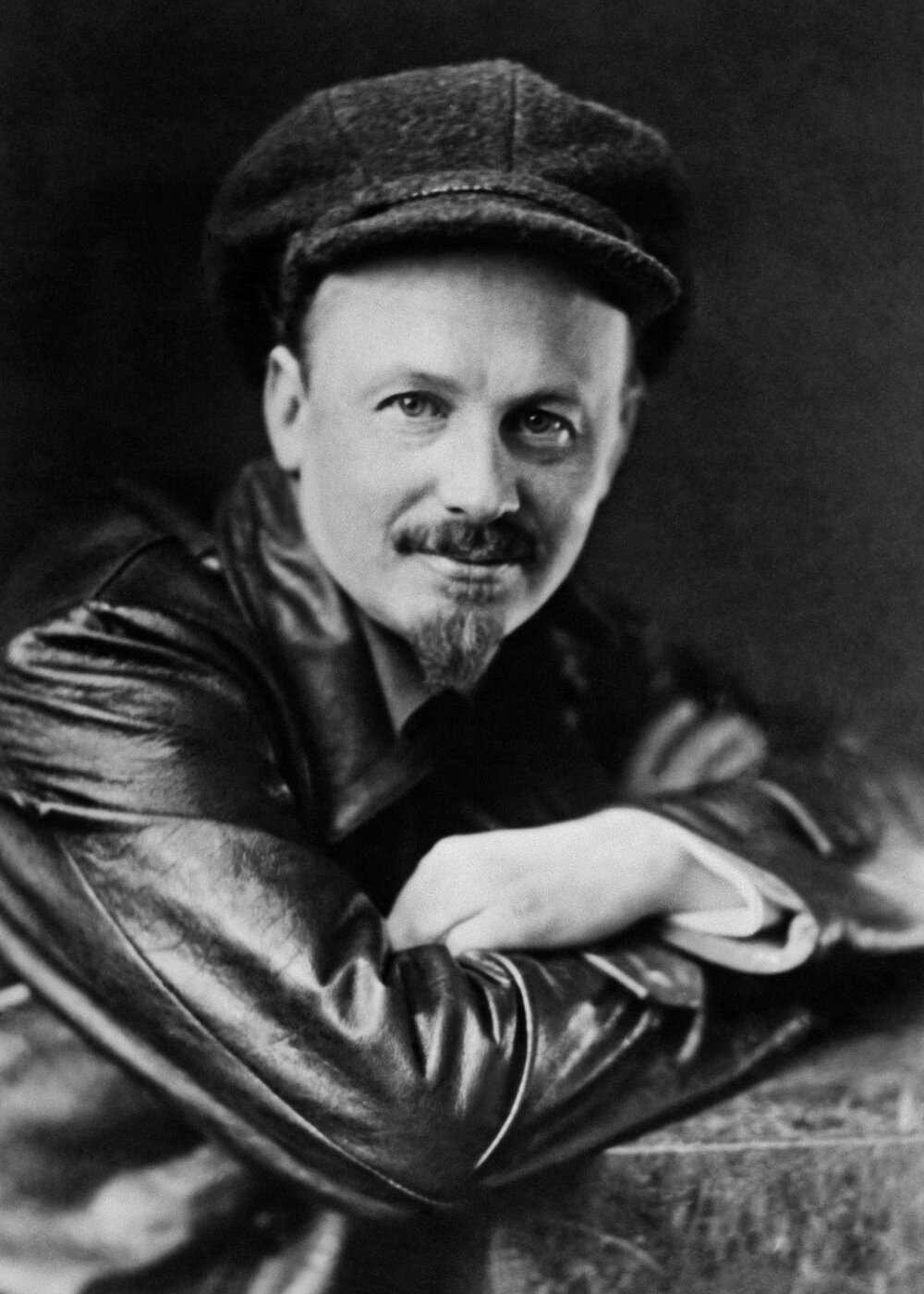
Nikolai Bukharin (1888–1938) was a leading Bolshevik revolutionary, Marxist theorist, and Soviet politician. Initially influential during the October Revolution and supporter of the New Economic Policy, he fell out of favor with Stalin, leading to his arrest and execution during the Great Purge. His legacy endures in Marxist studies.
-

Frederic Jameson, born in 1934, is a prominent Marxist literary critic known for his theories on postmodernism and capitalism. He taught at various prestigious institutions, notably Duke University. His notable works include Postmodernism, or, The Cultural Logic of Late Capitalism and The Political Unconscious, analyzing the intersections of culture and economics.
 Letters from Tomis