Socialist Hall of Fame
-
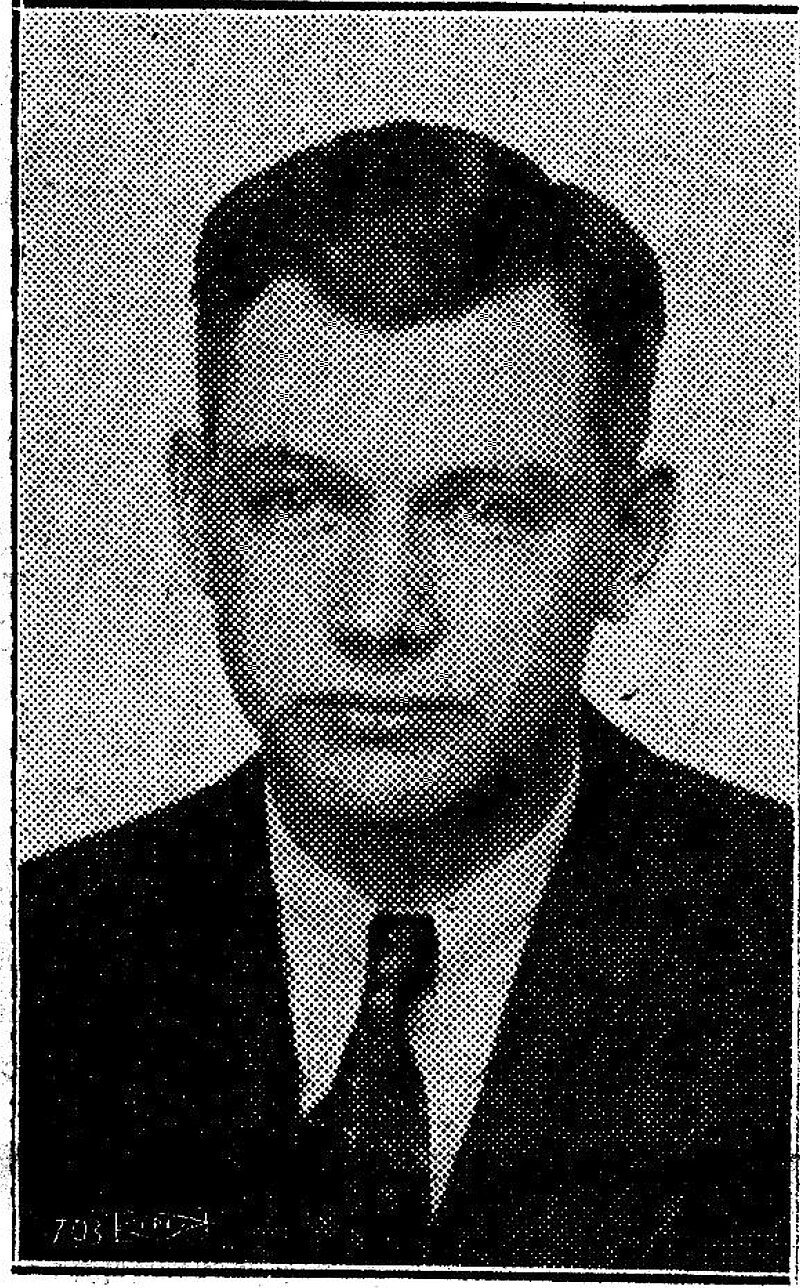
George Novack (1905–1992) was a significant American Marxist theorist who contributed to classical Marxism in an American context. His work, marked by clarity and dialectical method, connected Marxist theory to U.S. history and struggles. Novack’s legacy endures through his accessible writings and the synthesis of historical and political analysis within revolutionary movements.
-
My Socialist Hall of Fame During this chaotic era of vile rhetoric and manipulative tactics from our so-called bourgeois leaders, I am invigorated by the opportunity to reflect on Socialists, Revolutionaries, Philosophers, Guerrilla Leaders, Partisans, and Critical Theory titans, champions, and martyrs who paved the way for us—my own audacious “Socialism’s Hall of Fame.” These…
-
Gerald Allan Cohen (1941–2009) was a key political philosopher, known for reconciling Marxism with analytic philosophy. His works addressed historical materialism, justice, and egalitarianism, challenging libertarian and liberal theories. Cohen’s legacy influences contemporary debates on socialist justice, sustainability of inequality, and moral philosophy, emphasizing ethical commitment to equality.
-
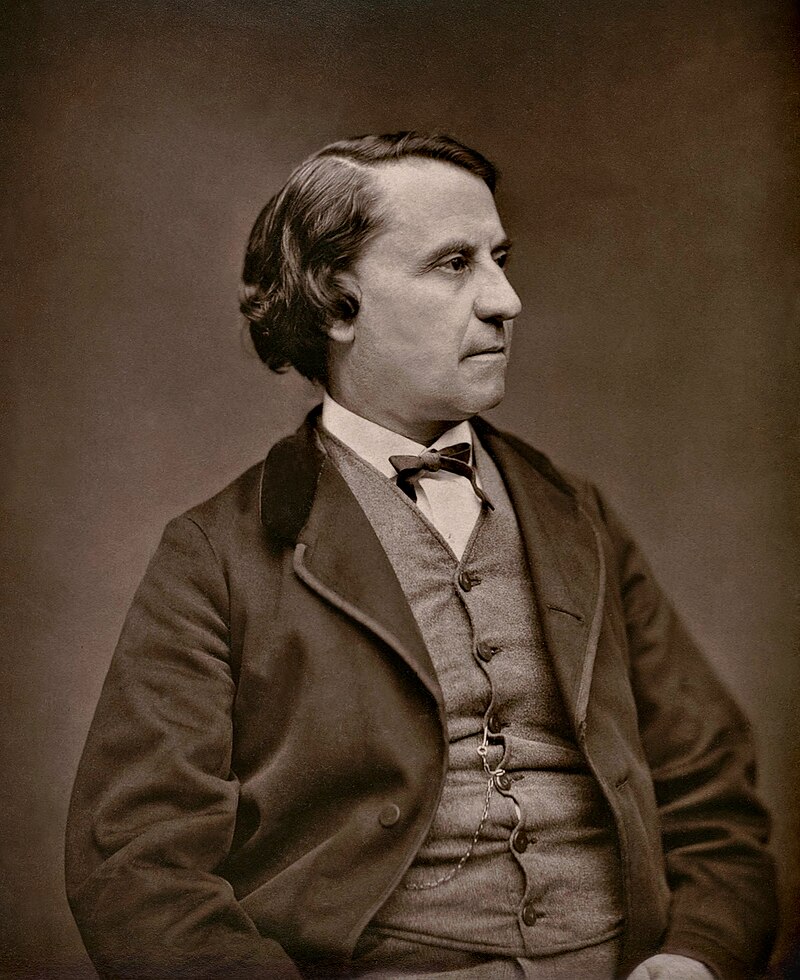
Louis Blanc, a prominent figure in 19th-century French socialist thought, advocated for the “right to work” and proposed state-backed social workshops. His political career peaked during the 1848 revolution but faltered due to mismanagement of workshops. Despite setbacks, his ideas influenced future social democratic movements and emphasized the link between political liberty and economic justice.
-
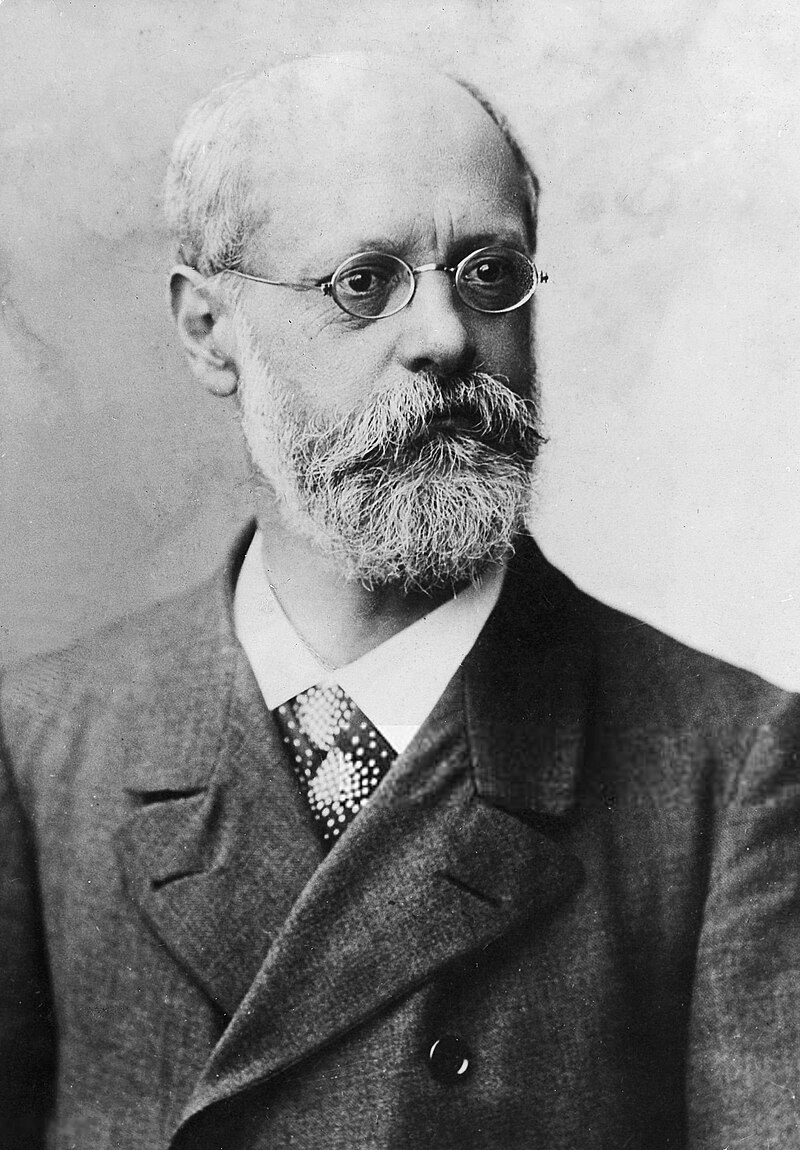
Karl Kautsky (1854–1938) was a pivotal figure in Second International Marxism, shaping orthodox Marxism during a transformative era. He engaged in debates about revolution and reform, criticized Bolshevik methods post-1917, and advocated for democratic socialism. His legacy reflects both the strengths and limitations of Marxist theory amid evolving socialist movements.
-
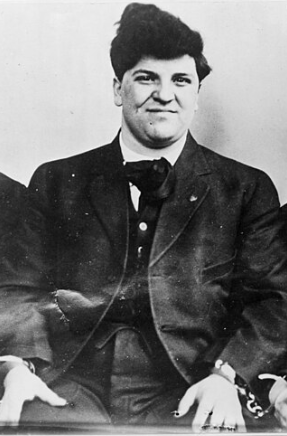
Joseph James Ettor (1885–1948) embodied the radical spirit of early twentieth-century labor. A gifted organizer for the Industrial Workers of the World, he unified immigrant mill workers in the 1912 Lawrence “Bread and Roses” strike, articulating a vision of industrial unionism that linked economic emancipation with human dignity and solidarity.
-
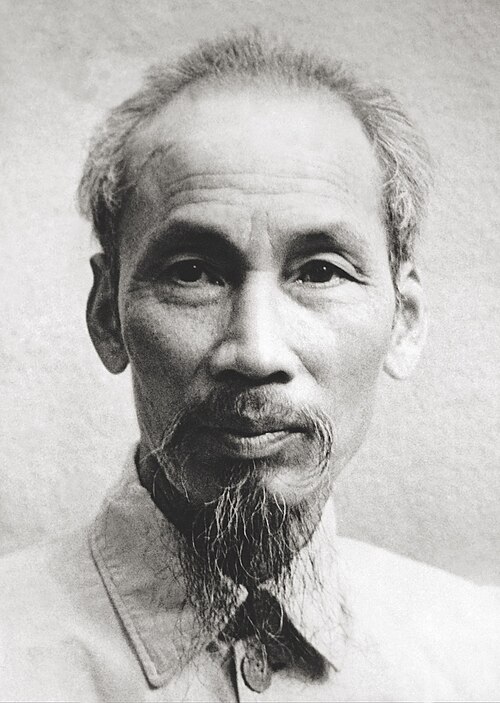
Ho Chi Minh, born Nguyễn Sinh Cung in 1890, was a Vietnamese revolutionary leader who combined nationalism with Marxism-Leninism. He led resistance against colonialism, proclaimed Vietnam’s independence in 1945, and became a pivotal figure in the Indochina and Vietnam Wars. His legacy is complex, blending achievements with significant internal repression.
-
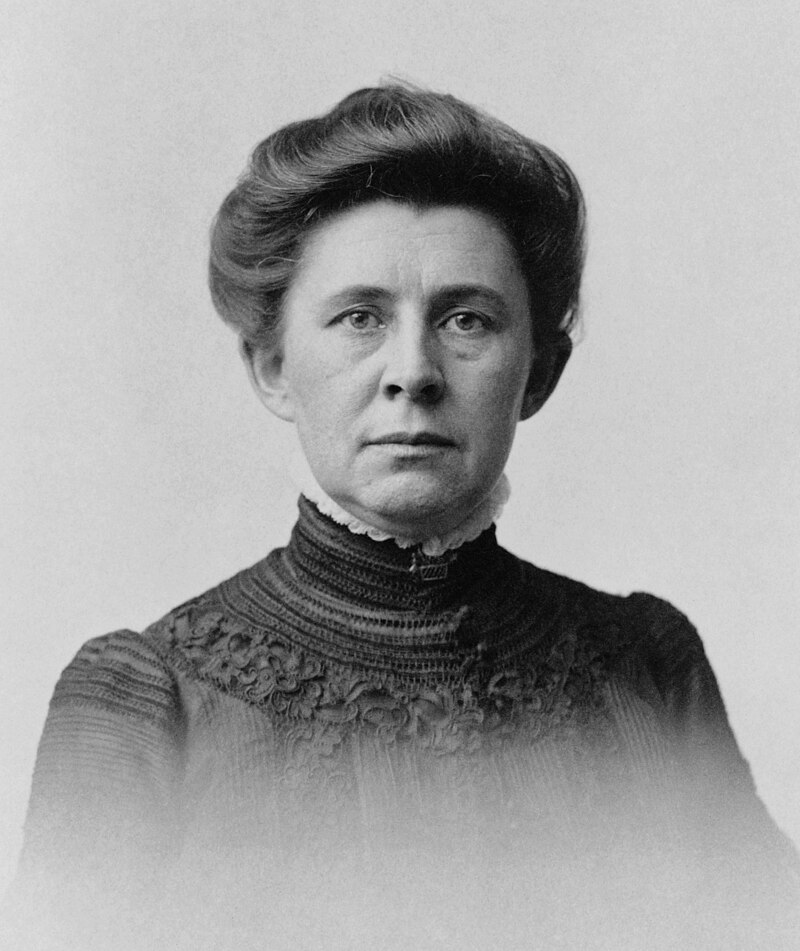
Ida Minerva Tarbell (1857–1944) was a crucial figure in American journalism, known for her investigative work during the Progressive Era. Her notable contributions include The History of the Standard Oil Company, which exposed corporate corruption. Tarbell’s legacy shaped reporting standards and influenced reform movements while reflecting the complexities of gender and political issues of her…
-
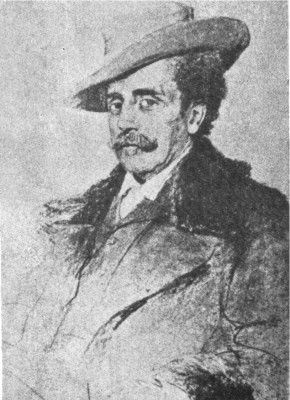
Antonio Labriola emerged as a pivotal figure in Italian Marxism, advocating for historical materialism as a critical method rather than a doctrine. His intellectual independence influenced both Benedetto Croce and Antonio Gramsci, emphasizing praxis and collective human activity. Labriola’s works reshaped socialism, linking theory with political education amid Italy’s socio-political turmoil.
-
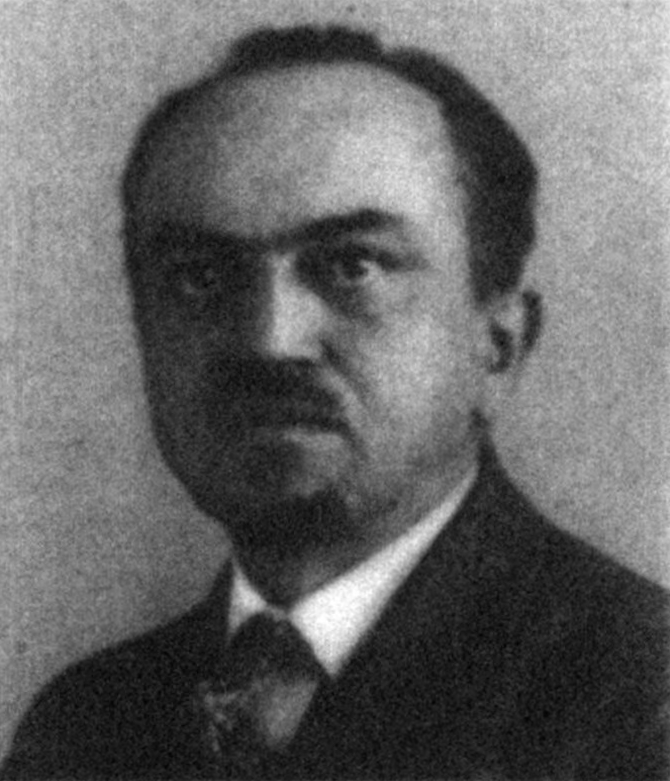
Paul Frölich, born in 1884, was a German Marxist journalist and theorist whose political journey reflects the revolutionary left’s challenges in the 20th century. A member of the Social Democratic Party and later the Communist Party, he critically analyzed class struggles, bureaucracy, and revolutionary democracy, leaving a significant scholarly legacy, especially with his biography of…
 Letters from Tomis