Socialism
-
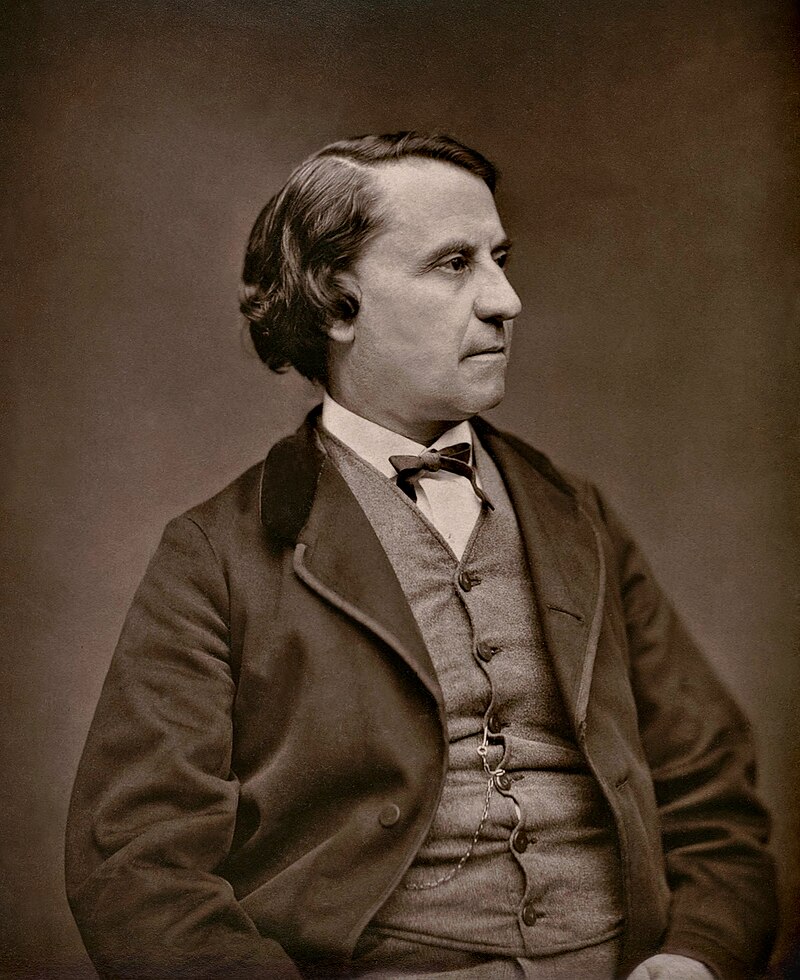
Louis Blanc, a prominent figure in 19th-century French socialist thought, advocated for the “right to work” and proposed state-backed social workshops. His political career peaked during the 1848 revolution but faltered due to mismanagement of workshops. Despite setbacks, his ideas influenced future social democratic movements and emphasized the link between political liberty and economic justice.
-

Erich Fromm’s Escape from Freedom explores the psychological impact of capitalism on individual autonomy, aligning with Marxist critiques of alienation. Fromm’s analysis reveals how modern freedom often leads to submission under capital’s demands. He emphasizes the necessity for collective transformation to achieve true freedom, marking a significant intersection of psychoanalysis and revolutionary thought.
-
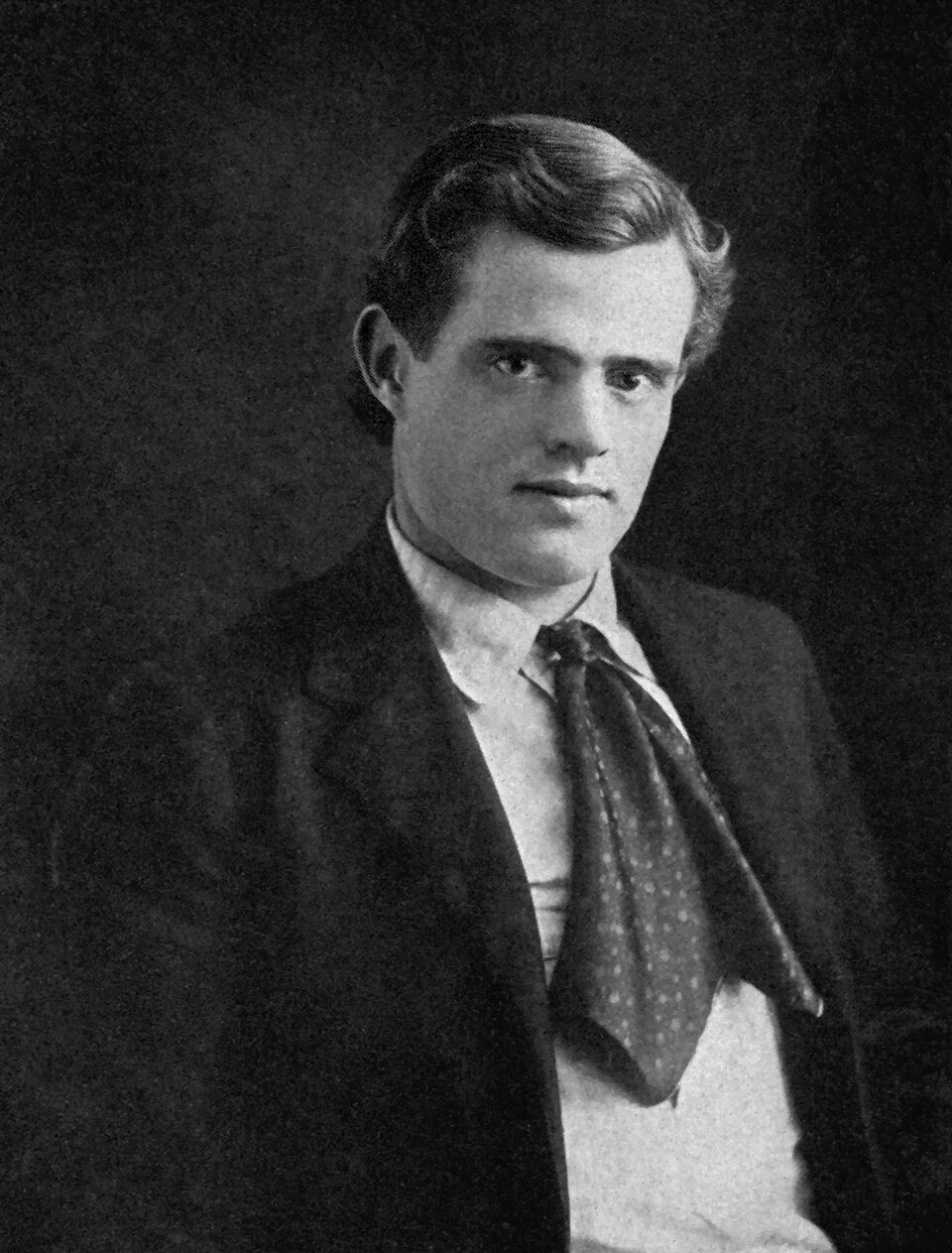
Jack London, a prominent American author of the early 20th century, is known for adventure novels like The Call of the Wild. His works reflect engagement with industrial capitalism and socialism, stemming from personal experiences with class struggle. London’s socialist convictions permeate his fiction, portraying the dehumanizing effects of capitalism while critiquing rugged individualism.
-
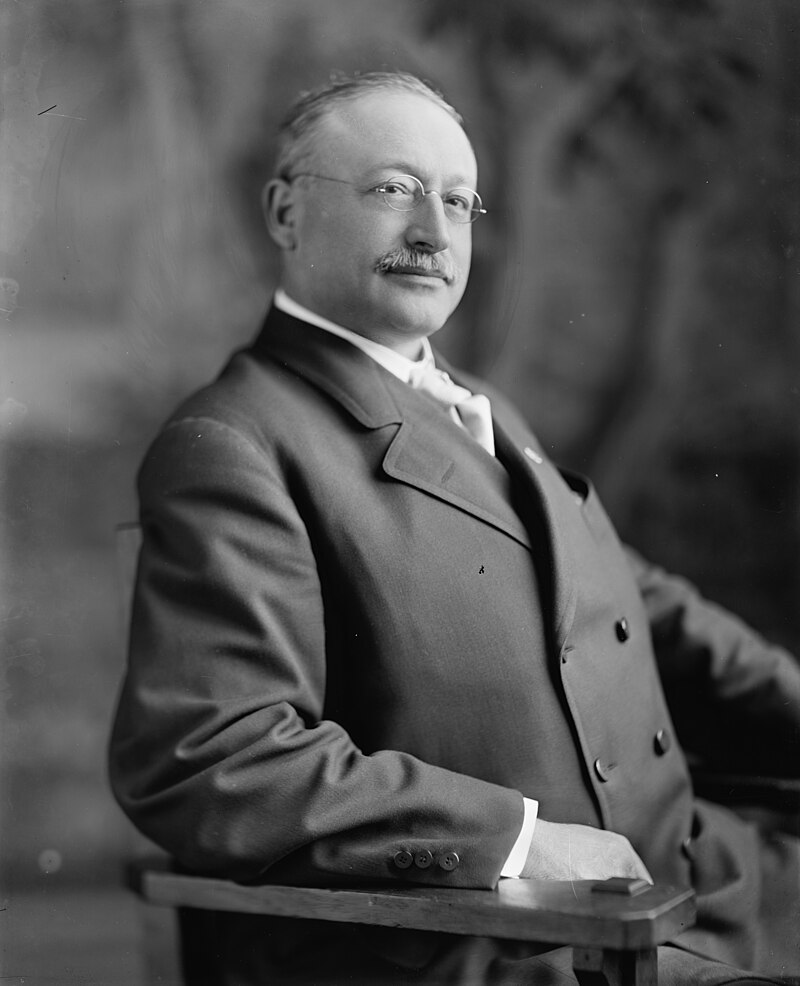
Victor Louis Berger (1860–1929) was a pivotal figure in American socialism, known for founding the Socialist Party of America in 1901 and being the first Socialist elected to Congress. His pragmatic approach to socialism emphasized reform over revolution. Berger’s legacy reflects debates between revolutionary and reformist socialism within American politics.
-

Pierre-Joseph Proudhon, a foundational figure in radical thought, was the first self-identified anarchist, known for his critique of capitalism and advocacy of mutualism. His works challenged traditional notions of property and authority, influencing 19th-century socialism and inspiring later anarchists. Proudhon’s legacy continues to provoke discussion on liberty and justice.
-

Crystal Eastman (1881–1928) was a pioneering radical intellectual, lawyer, journalist, and co-founder of the ACLU. Her advocacy combined socialism and feminism, focusing on workers’ rights, anti-militarism, and civil liberties. Despite her significant contributions, Eastman’s remarkable impact on feminist and socialist movements remains widely unrecognized today.
-
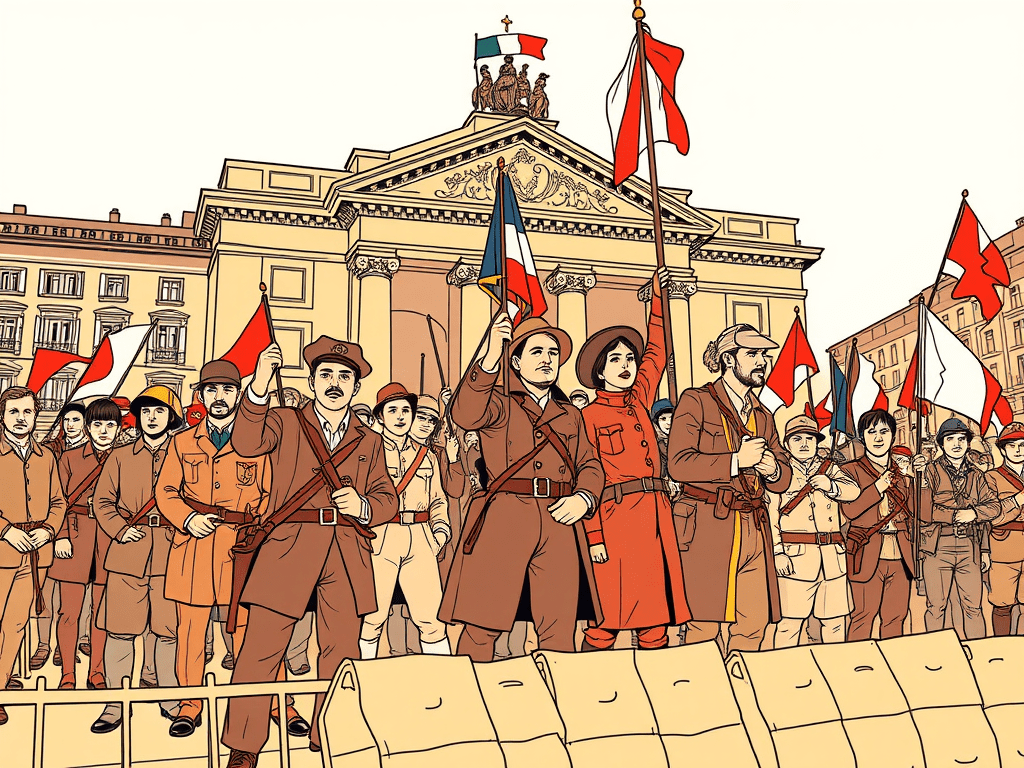
The Paris Commune of 1871 was a pivotal workers’ uprising that resulted in a revolutionary government led by laborers and radicals. Lasting only two months, it implemented radical reforms like council democracy and social welfare. Although brutally suppressed, its legacy continues to inspire socialist movements, illustrating the potential for proletarian self-governance and revolutionary action.
-

Fred Hampton was a pivotal leader of the Black Panther Party, advocating for Black liberation and anti-capitalist solidarity. His assassination at 21 by the U.S. government highlighted the threat he posed to systemic injustice. Hampton’s legacy inspires contemporary movements, emphasizing grassroots organizing and cross-racial coalition building against oppression.
-

James Connolly (1868–1916) was a key figure in the Irish socialist movement, blending Marxism with Irish republicanism. Born into poverty, he became a labor leader and strategist. His leadership in the 1916 Easter Rising marked his martyrdom, inspiring future movements for justice and linking national liberation with social transformation.
-

The Fourth of July, viewed through Marxist theory, symbolizes a bourgeois revolution that maintained class hierarchies and racial oppression rather than universal freedom. This critique highlights the contradictions between revolutionary rhetoric and capitalist realities, advocating for a radical reinterpretation of the holiday to connect it to ongoing struggles for collective liberation and economic justice.
 Letters from Tomis