Sigmund Freud
-

Sigmund Freud’s The Psychopathology of Everyday Life (1901) explores how everyday errors reflect repressed thoughts and unconscious desires. The text challenges traditional views of consciousness, emphasizing the unconscious’s influence on behavior. Freud’s analysis remains relevant and accessible, inviting interdisciplinary engagement and providing a foundational framework for understanding human cognition and behavior.
-

The evolution of psychotherapy began with Freud’s psychoanalysis, emphasizing the unconscious mind and inner conflicts. This tradition expanded through Jung’s collective unconscious and Lacan’s linguistic approach. Modern therapies, like CBT and humanistic methods, prioritize empirical evidence and structured techniques, focusing on present issues, symptom relief, and client empowerment.
-
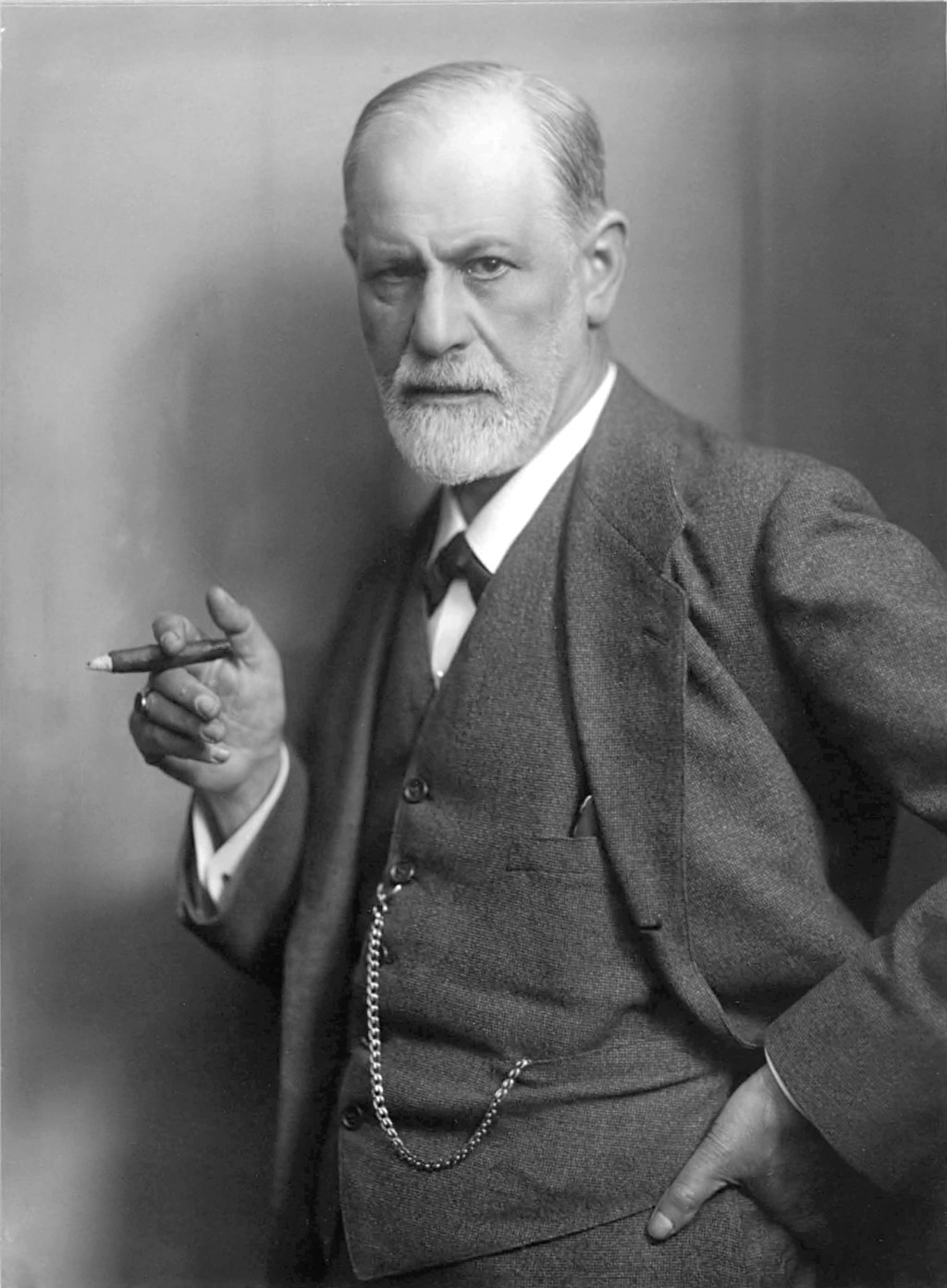
Sigmund Freud (1856-1939), an Austrian neurologist, founded psychoanalysis, revolutionizing psychology and psychiatry. His theories on the unconscious mind, including concepts like repression and the Oedipus complex, stemmed from his medical studies and hypnosis experiences. Despite facing Nazi persecution, he continued his influential work until his death in London.
 Letters from Tomis