reflections
-

The content critiques capitalism, arguing it obscures the true nature of value, which is based on labor rather than market forces. It highlights Marx’s labor theory of value, which posits that prices reflect the labor time needed for production. Ultimately, it reveals how surplus value exploits workers, benefiting capital owners.
-

Karl Marx’s concept of socially necessary labor time (SNLT) reveals how capitalism measures labor not by effort or skill but by efficiency standards. This leads to exploitation, as workers’ productivity gains benefit owners rather than themselves. Ultimately, SNLT highlights capitalism’s coercive nature, demanding a shift towards valuing work based on human needs.
-

Avram Noam Chomsky, born in 1928, is a prominent linguist and political activist known for his revolutionary theories in linguistics, particularly generative grammar and universal grammar, which have significantly influenced cognitive science. He is also a staunch critic of U.S. foreign policy and corporate power, and remains an influential figure in global discourse.
-
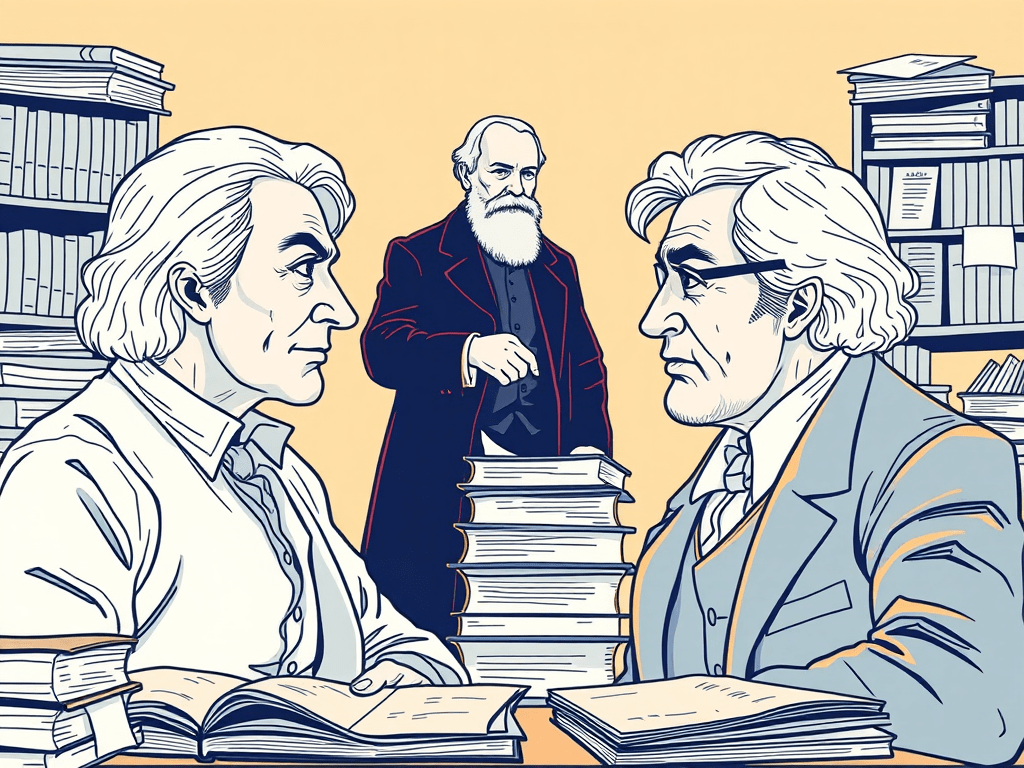
The labor theory of value, historically rooted in the works of Adam Smith and David Ricardo, was fully developed by Karl Marx. He argued that labor is the sole source of value and highlighted the exploitation inherent in capitalism through surplus value extraction. Marx’s critique remains significant amid modern economic inequalities and labor conditions.
-
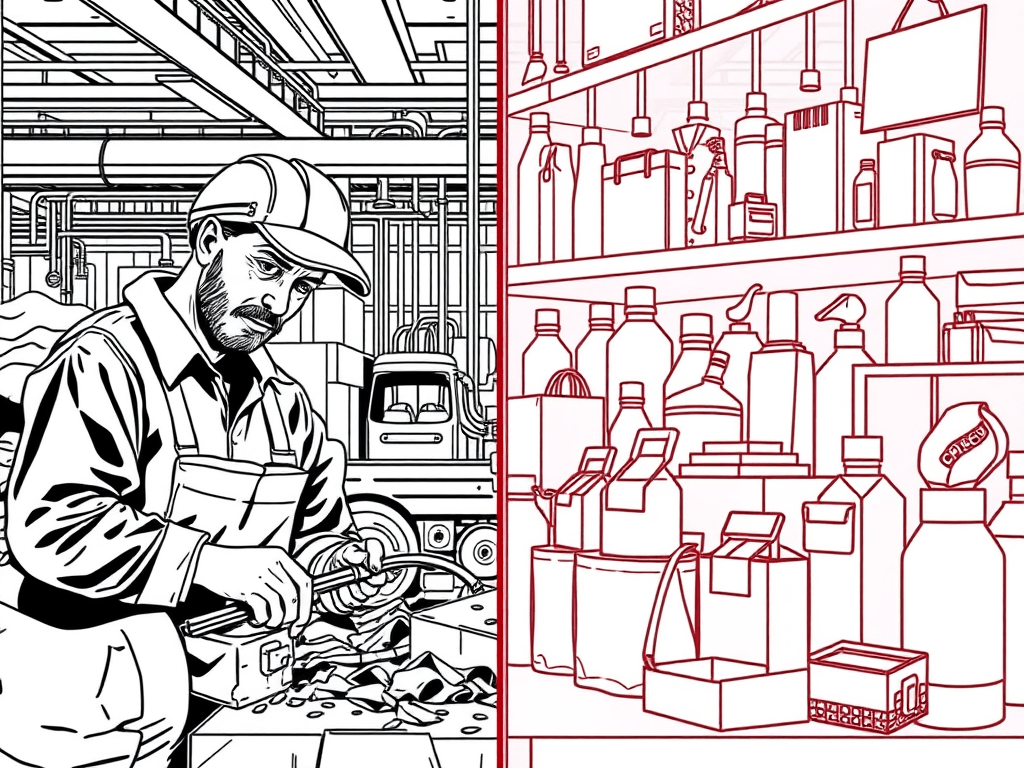
Marxist economics defines a commodity as an object of human labor, entangled in market logic. It features a dichotomy of use-value and exchange-value, leading to alienation of workers from their products. Marx critiques commodity fetishism, revealing how labor exploitation is concealed, transforming social relations into transactions, and emphasizing capitalism’s inherent inequality and potential for change.
-

Asako Yuzuki’s Butter attempts to tackle true crime, feminism, and food culture but ultimately falters due to slow pacing and repetitive themes. The narrative revolves around journalist Rika Machida’s investigation into Manako Kajii but lacks suspense and strong character development, resulting in a disappointing read for those seeking a compelling story.
-
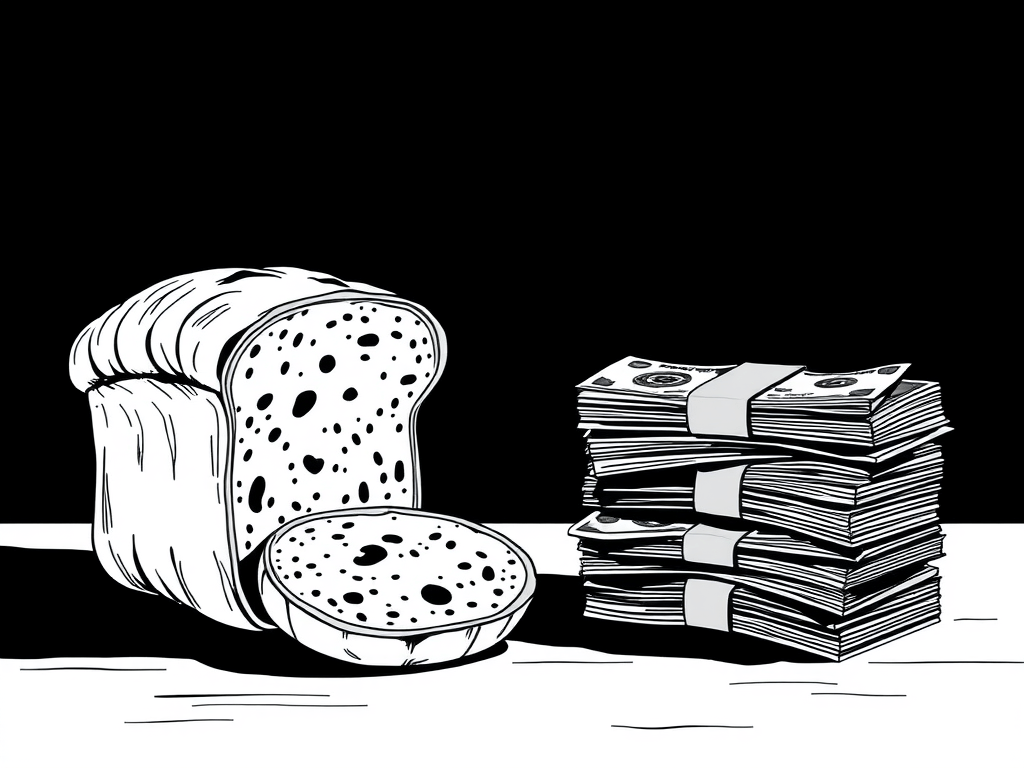
The post critiques the common dismissal of Karl Marx’s ideas as outdated, emphasizing the relevance of his analysis on capitalism’s distinction between use-value and exchange-value. It argues that capitalism prioritizes profit over human needs, leading to absurdities such as produced goods not serving necessity. Ultimately, it calls for a more honest discussion about the nature…
-

Karl Marx’s “Wage-Labour and Capital” and “Value, Price, and Profit” are vital texts exploring capitalist economies. They analyze the relationships between labor, value, wages, and profit. The works highlight labor’s commodification, surplus value, and exploitation. Together, they offer essential insights into political economy and ongoing class struggles within capitalism.
-
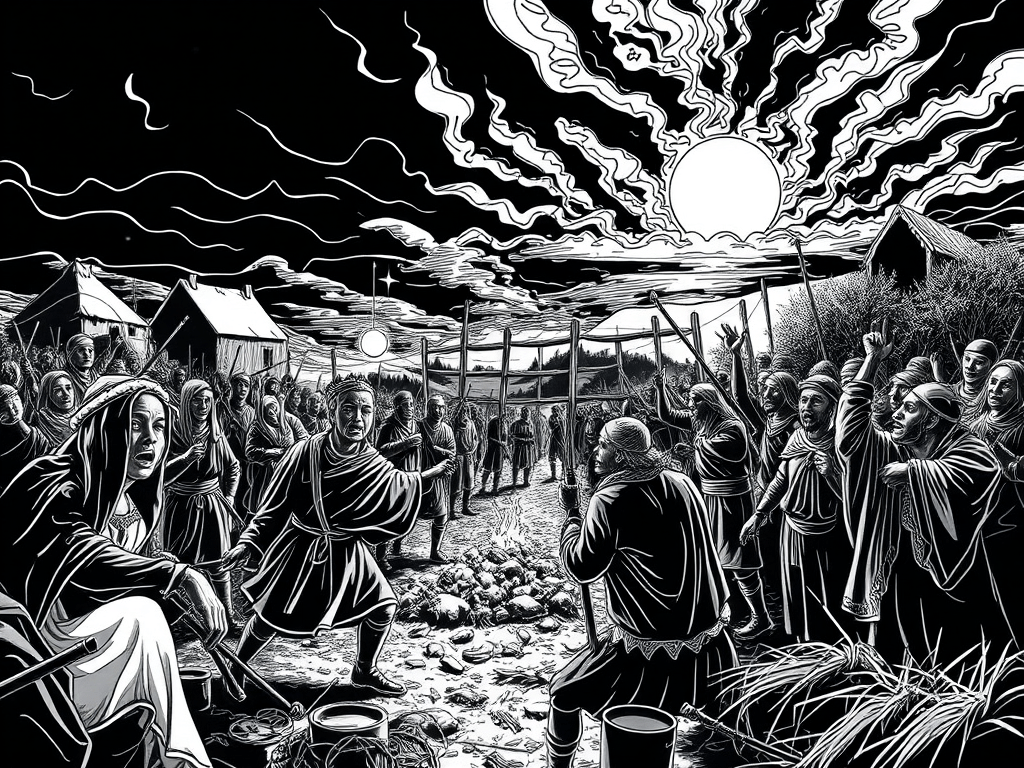
Karl Marx’s concept of primitive accumulation exposes capitalism’s origins rooted in violence and theft, contrary to the myth of hard work and virtue. This theory highlights the processes of dispossession that created the modern proletariat and critiques how historical injustices continue to impact contemporary economic disparities and power dynamics.
-

The German Ideology, co-authored by Karl Marx and Friedrich Engels, critiques idealist philosophy and introduces historical materialism. It argues that material conditions shape societal structures and consciousness. The text examines ideology as a tool for ruling classes, remains relevant for understanding power dynamics, and is essential for exploring Marxist thought and socialism.
 Letters from Tomis