psychoanalysis
-
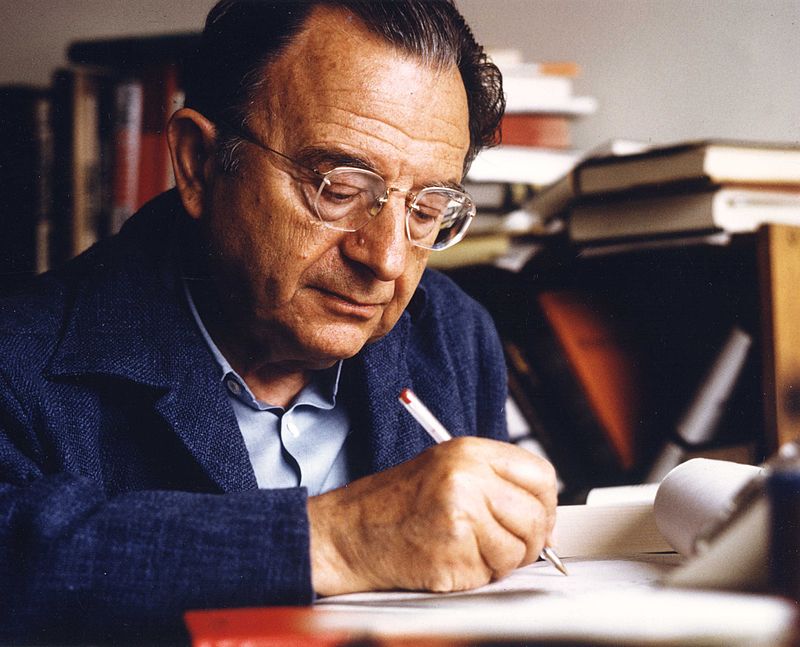
Erich Fromm’s Escape from Freedom explores the psychological impact of capitalism on individual autonomy, aligning with Marxist critiques of alienation. Fromm’s analysis reveals how modern freedom often leads to submission under capital’s demands. He emphasizes the necessity for collective transformation to achieve true freedom, marking a significant intersection of psychoanalysis and revolutionary thought.
-
Erich Fromm’s The Art of Loving reframes love as an art requiring knowledge and practice rather than a mere emotion. It explores defining elements of love and critiques the commodification of relationships in capitalist societies. Despite its limitations regarding gender and contemporary forms of love, it remains a pivotal work linking personal and social transformation.
-

Slavoj Žižek’s The Sublime Object of Ideology (1989) integrates Lacanian psychoanalysis, Hegelian idealism, and Marxist theory, challenging conventional ideology critiques. It revitalizes Marxist thought by emphasizing structure over false consciousness and critiques postmodernism. Although dense, the work reshapes ideology understanding, influencing critical theory and political discourse post-Cold War.
-

Jacques Lacan’s psychoanalytic theory features three interdependent registers: the Imaginary, the Symbolic, and the Real, with the Real as the most complex. This summary explores Lacan’s evolving understanding of the Real throughout his career, examining its distinctions from the other orders, its role in human experience, and its implications for psychoanalysis.
-

Félix Guattari (1930–1992) was a French psychoanalyst and philosopher renowned for co-authoring “Anti-Oedipus” with Gilles Deleuze, proposing schizoanalysis which critiqued capitalism’s effects on desire. His later works, like “The Three Ecologies,” promoted ecological and social justice, influencing contemporary philosophy, activism, and therapeutic practices until his death in 1992.
-

Sigmund Freud’s The Psychopathology of Everyday Life (1901) explores how everyday errors reflect repressed thoughts and unconscious desires. The text challenges traditional views of consciousness, emphasizing the unconscious’s influence on behavior. Freud’s analysis remains relevant and accessible, inviting interdisciplinary engagement and providing a foundational framework for understanding human cognition and behavior.
-

The evolution of psychotherapy began with Freud’s psychoanalysis, emphasizing the unconscious mind and inner conflicts. This tradition expanded through Jung’s collective unconscious and Lacan’s linguistic approach. Modern therapies, like CBT and humanistic methods, prioritize empirical evidence and structured techniques, focusing on present issues, symptom relief, and client empowerment.
-
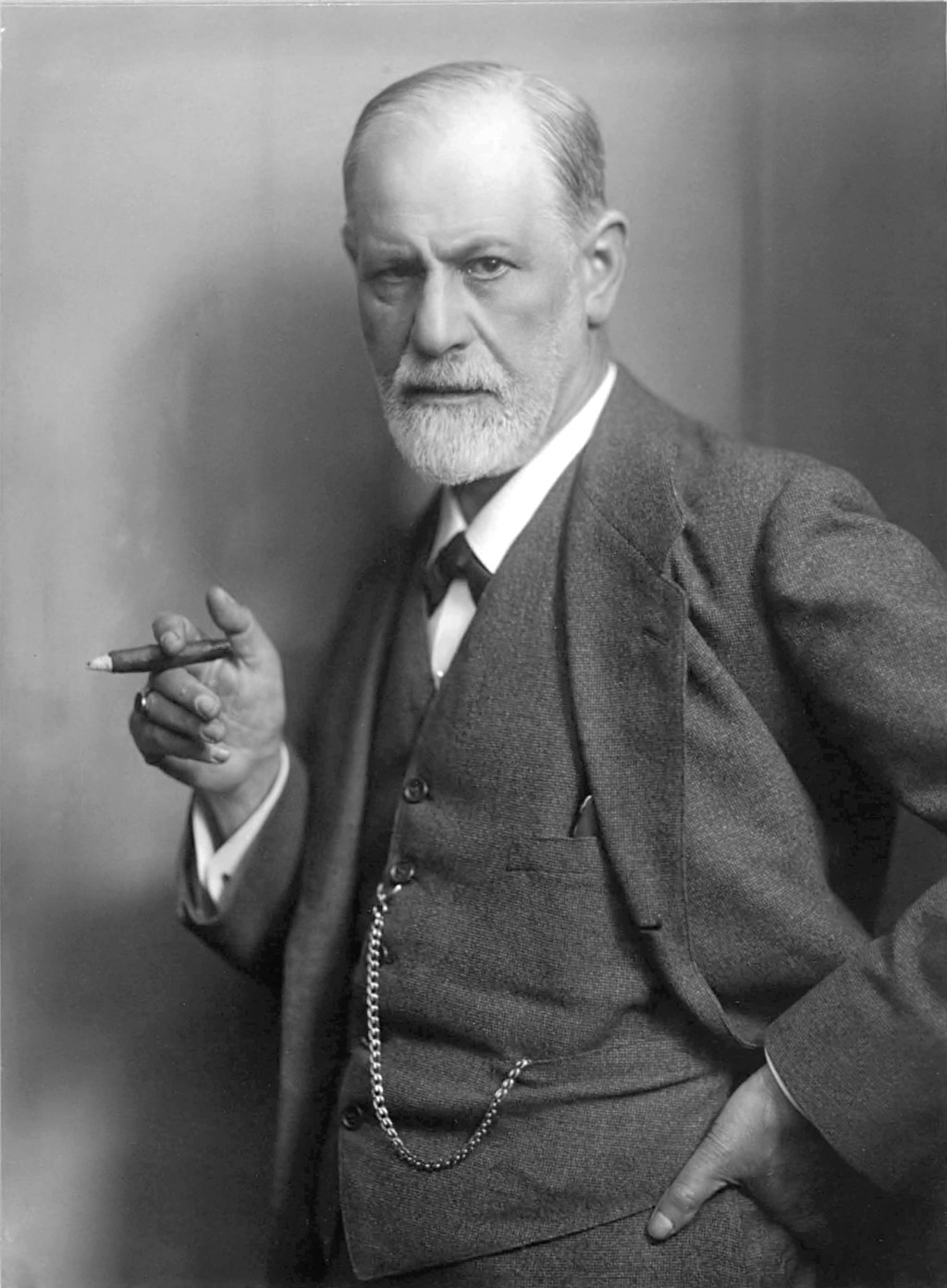
Sigmund Freud (1856-1939), an Austrian neurologist, founded psychoanalysis, revolutionizing psychology and psychiatry. His theories on the unconscious mind, including concepts like repression and the Oedipus complex, stemmed from his medical studies and hypnosis experiences. Despite facing Nazi persecution, he continued his influential work until his death in London.
 Letters from Tomis