Marxist Economics
-

The content critiques the modern bourgeoisie’s self-congratulatory belief that capitalism has evolved beyond Marxist exploitation. It illustrates how constant capital, represented by technology, relies on variable capital—human labor. Despite advancements, the fundamental dynamics of exploitation persist, with labor often obscured in narratives of innovation and progress, revealing Marx’s insights remain relevant today.
-
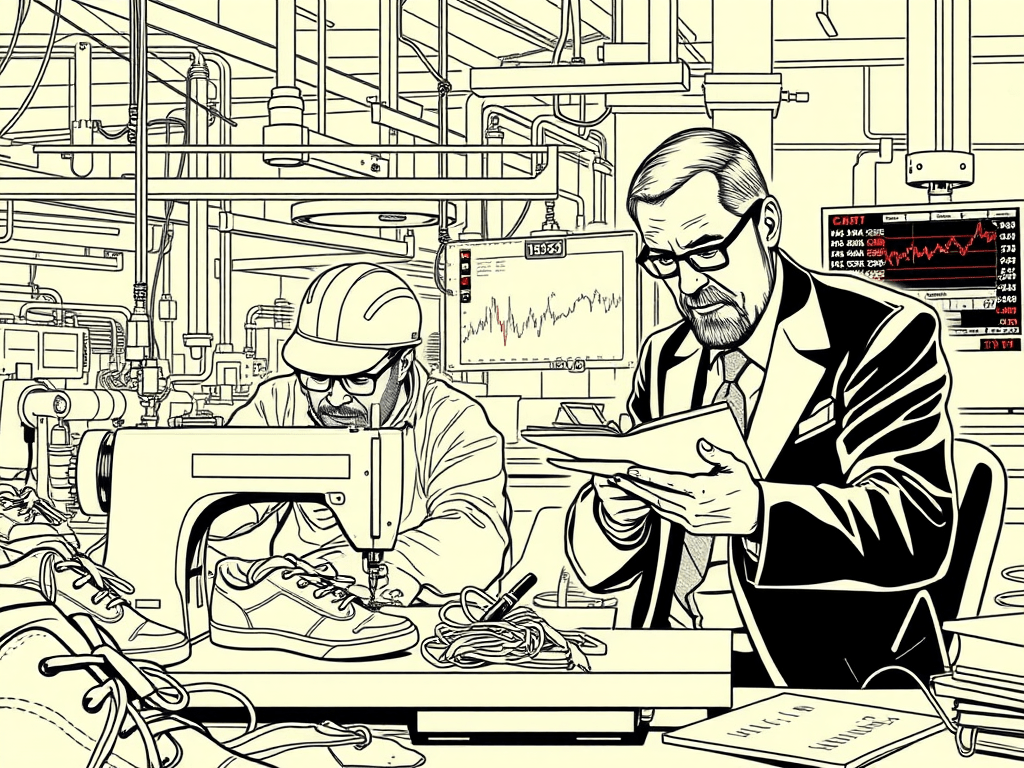
Marxist thought delineates between productive and unproductive labor, clarifying that productive labor creates surplus value for capital, while unproductive labor merely redistributes wealth. This analysis reveals the exploitation inherent in capitalism. Understanding these distinctions provides clarity and a path to reclaiming labor’s humanity amidst capitalist structures, illuminating a potential for transformation.
-

Karl Marx’s theory of labor-power and wages is often misunderstood, obscured by capitalism’s need to mask economic realities. He distinguishes labor-power from labor, highlighting how workers are paid only for reproducing their capacity to work, not for the true value produced. This system leads to surplus value extraction and worker exploitation. Marx argues for the…
-

The text critiques the utility theory of value, arguing it diverts attention from the exploitative nature of capitalism by attributing worth to individual preference rather than labor. In contrast, the Marxist labor theory emphasizes value as determined by socially necessary labor time, revealing capitalism as a system that extracts wealth, not generates it.
-
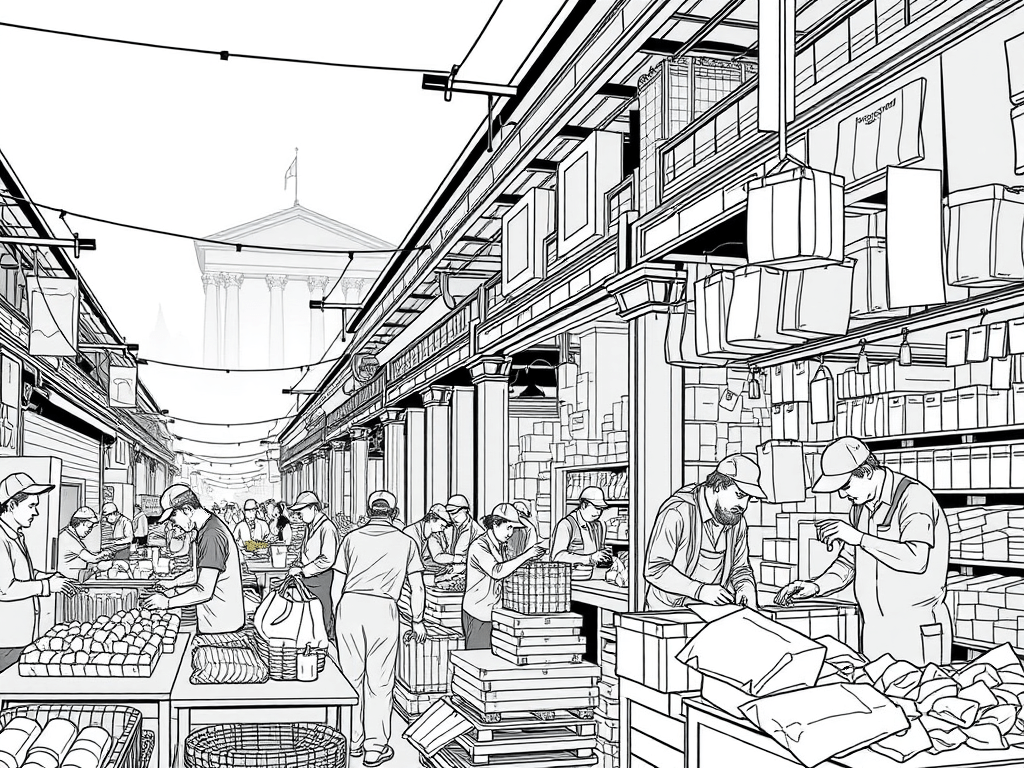
The content critiques capitalism, arguing it obscures the true nature of value, which is based on labor rather than market forces. It highlights Marx’s labor theory of value, which posits that prices reflect the labor time needed for production. Ultimately, it reveals how surplus value exploits workers, benefiting capital owners.
-

Karl Marx’s concept of socially necessary labor time (SNLT) reveals how capitalism measures labor not by effort or skill but by efficiency standards. This leads to exploitation, as workers’ productivity gains benefit owners rather than themselves. Ultimately, SNLT highlights capitalism’s coercive nature, demanding a shift towards valuing work based on human needs.
-
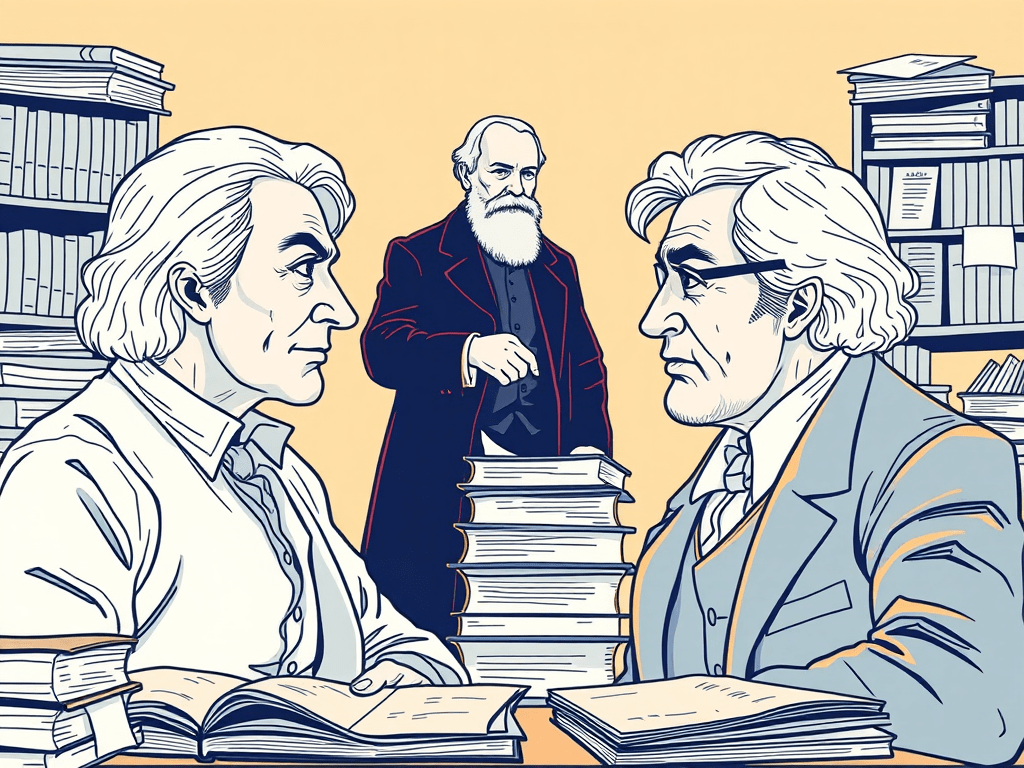
The labor theory of value, historically rooted in the works of Adam Smith and David Ricardo, was fully developed by Karl Marx. He argued that labor is the sole source of value and highlighted the exploitation inherent in capitalism through surplus value extraction. Marx’s critique remains significant amid modern economic inequalities and labor conditions.
-

The post critiques modern economic disparities, emphasizing Karl Marx’s Labor Theory of Value. It argues that all economic value stems from human labor, which is exploited under capitalism, allowing owners and shareholders to amass wealth while workers are undercompensated. The text calls for a recognition of this injustice and a potential revolutionary change.
-
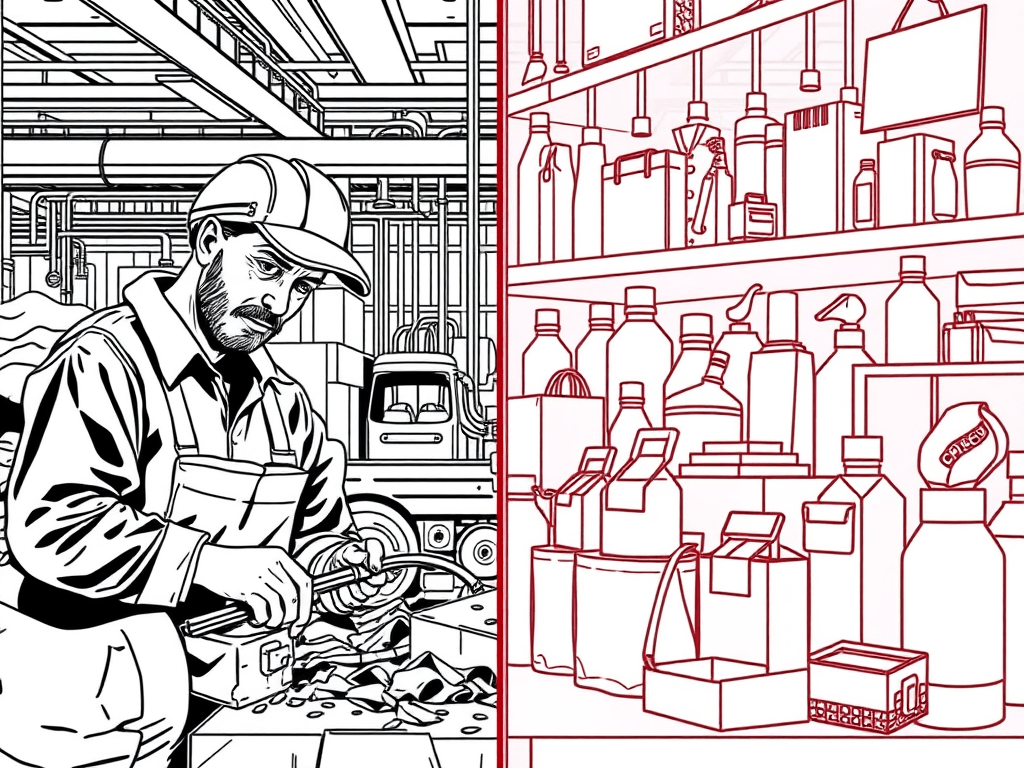
Marxist economics defines a commodity as an object of human labor, entangled in market logic. It features a dichotomy of use-value and exchange-value, leading to alienation of workers from their products. Marx critiques commodity fetishism, revealing how labor exploitation is concealed, transforming social relations into transactions, and emphasizing capitalism’s inherent inequality and potential for change.
-

The post critiques the common dismissal of Karl Marx’s ideas as outdated, emphasizing the relevance of his analysis on capitalism’s distinction between use-value and exchange-value. It argues that capitalism prioritizes profit over human needs, leading to absurdities such as produced goods not serving necessity. Ultimately, it calls for a more honest discussion about the nature…
 Letters from Tomis