Marxism
-

Jean-Paul Sartre (1905–1980) was a pivotal French existentialist philosopher whose works examined human freedom and responsibility in an indifferent universe. His book “Being and Nothingness” established foundational existentialist ideas. A prolific novelist and playwright, he also engaged in political activism and declined the Nobel Prize in Literature, emphasizing intellectual independence.
-
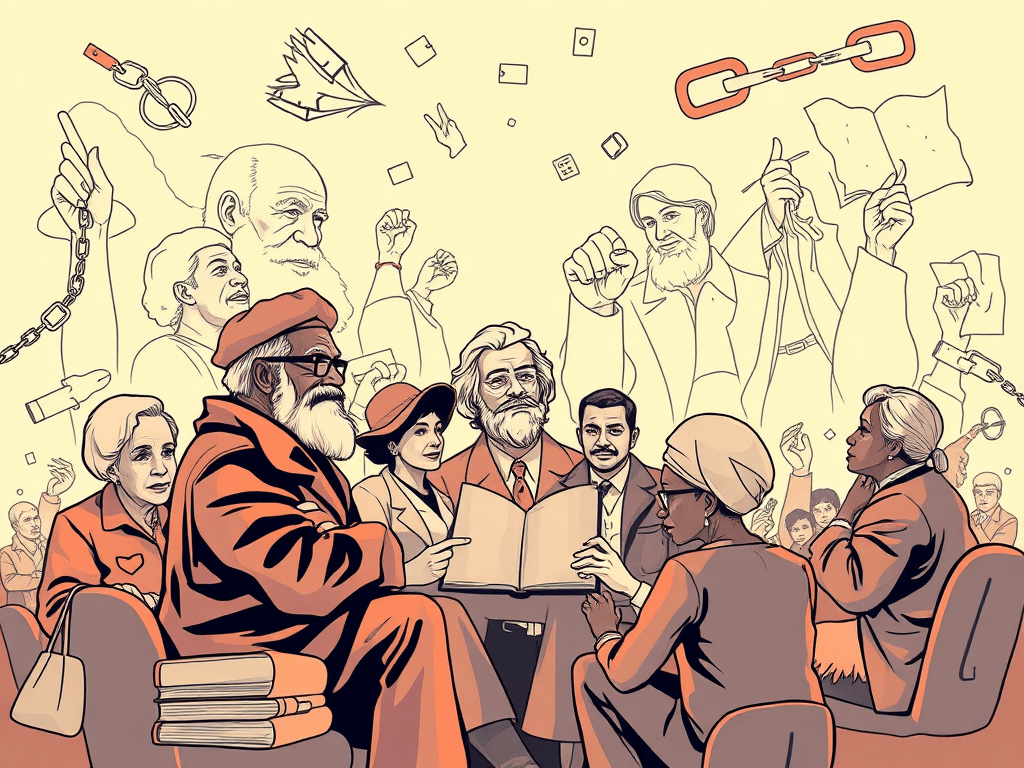
Marxist humanism emphasizes human freedom, drawing from early Marx’s ideas on alienation and emancipation. Emerging in the 1960s, it critiqued bureaucratic socialism, blending Marxism with Hegelian themes. The tradition addresses global issues like decolonization, ecology, and social justice, advocating for a socialism centered on human dignity and needs.
-

Council communism emerged in the early 20th century as a Marxist ideology advocating socialism through workers’ councils rather than centralized party rule. It critiques Leninism for its authoritarianism and argues for direct worker self-management. Although a mass movement subsided by the 1930s, its ideas continue to influence contemporary discussions on grassroots democracy and socialism.
-

Andreas Malm is a notable Swedish scholar, author, and associate professor whose work focuses on human ecology, environmental history, and political ecology. He examines the relationship between capitalism and climate change, advocating for radical climate activism. His influential writings include “Fossil Capital” and “How to Blow Up a Pipeline,” emphasizing ecological justice.
-

Nancy Fraser’s “Cannibal Capitalism” critiques contemporary capitalism, arguing it exploits democracy, care, and the environment. Through six chapters, it examines systemic racism, undervalued care work, and ecological crises, while proposing a socialist vision. Although it offers deep insights, its dense language may limit accessibility and practical solutions.
-

Nancy Fraser, an influential American philosopher and critical theorist, specializes in political philosophy, feminist theory, and social criticism. Known for her dual framework of “redistribution and recognition,” Fraser critiques neoliberalism and capitalism’s effects on democracy. Her work addresses social justice, gender, race, and class, advocating for inclusive democratic deliberation.
-
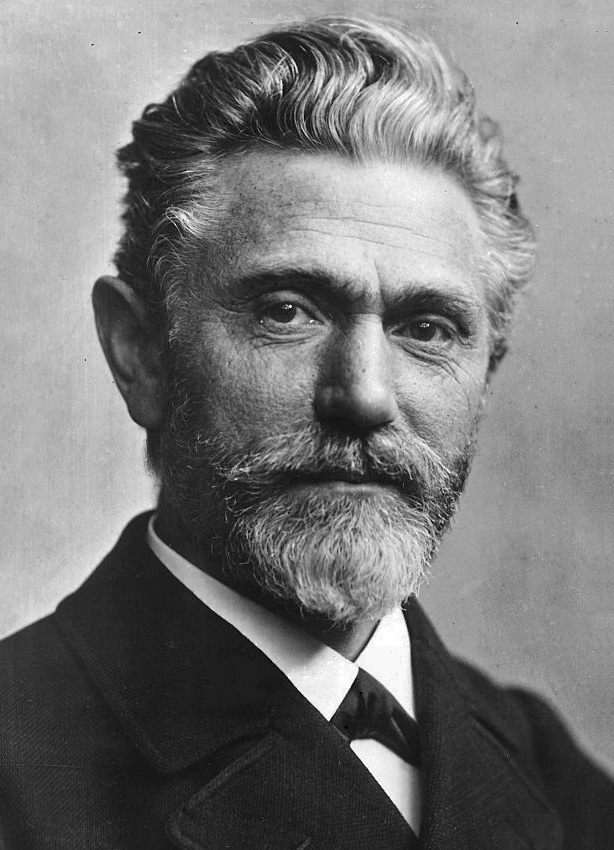
August Ferdinand Bebel (1840–1913) was a key figure in German socialism and co-founder of the Social Democratic Party of Germany (SPD). A committed Marxist, he advanced democratic socialism, advocating for gender equality in “Woman and Socialism.” Despite persecution, Bebel’s legacy endures as a catalyst for labor rights and social welfare initiatives.
-

Marx’s theory of alienation, addressing workers’ estrangement under capitalism, remains relevant today. Contemporary theorists like Harvey, Fraser, and Žižek extend this concept to digital labor and ecological crises, emphasizing how modern capitalism deepens alienation through technological control and environmental degradation. Structural changes are essential for overcoming these pervasive estrangements.
-

The essay explores the evolving role of money in a future socialist society, building on Marxist theory. It argues that money, as a medium of exploitation under capitalism, would eventually wither away or transform in socialism, leading to direct social production and distribution. Initial transitional phases may involve labor vouchers, but these too would vanish…
-

Paul O’Flynn’s Them and Us in Literature examines how literature navigates identity, power, and otherness, utilizing diverse texts. Its interdisciplinary approach combines historical, sociological, and philosophical insights. O’Flynn critiques portrayals of “the other” while encouraging critical engagement, making it a vital resource for understanding literature’s impact on societal perceptions of inclusion and exclusion.

