Marxism-Leninism
-
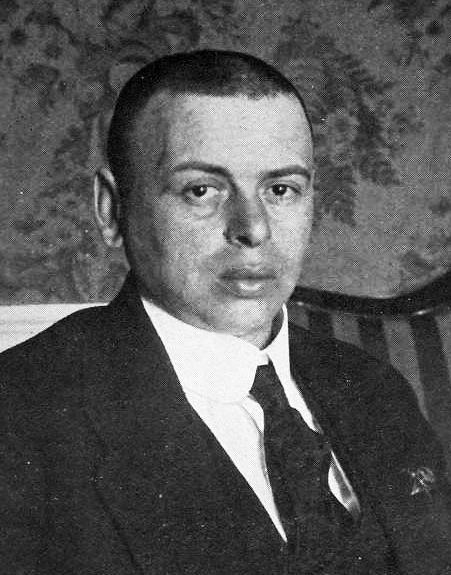
Béla Kun (1886–1938) was a key Hungarian communist leader, known for establishing the Hungarian Soviet Republic in 1919. Influenced by the Russian Revolution, he implemented radical reforms but faced significant opposition, leading to the state’s collapse. After fleeing, he was executed during Stalin’s purges, leaving a controversial legacy of communism and repression.
-

Friedrich Engels was a key figure in developing Marxist theory, co-authoring The Communist Manifesto and collaborating with Karl Marx for four decades. His independent works, such as The Origin of the Family, contributed significantly to socialist thought, addressing class, state, and gender issues. Engels’s legacy includes his role in international socialism and dialectical materialism.
-

The concept of commodity fetishism, as discussed by Marx, highlights how capitalism obscures social relations behind commodity production, attributing value to objects instead of labor. Contemporary Marxist theorists, like Žižek, Harvey, and Jameson, extend this analysis, particularly in the digital age, illustrating how digital commodities further mystify labor and social connections.
-

Contemporary Marxist theorists envision a democratic, participatory socialist planned economy focused on human needs rather than profit. With technology facilitating coordination without markets, resources are allocated through collective decision-making, emphasizing ecological sustainability and social welfare. This approach fosters empowerment, equality, and genuine democracy, seeking to reshape society for a more just future.
-

Leon Trotsky’s The Revolution Betrayed critiques the Soviet Union’s deviation from revolutionary ideals under Stalin. Published in 1937 and reissued in 2015, it analyzes the rise of bureaucracy and predicts the USSR’s collapse due to systemic issues. Trotsky’s insights on democracy and governance remain relevant for contemporary discourse in political and economic contexts.
-
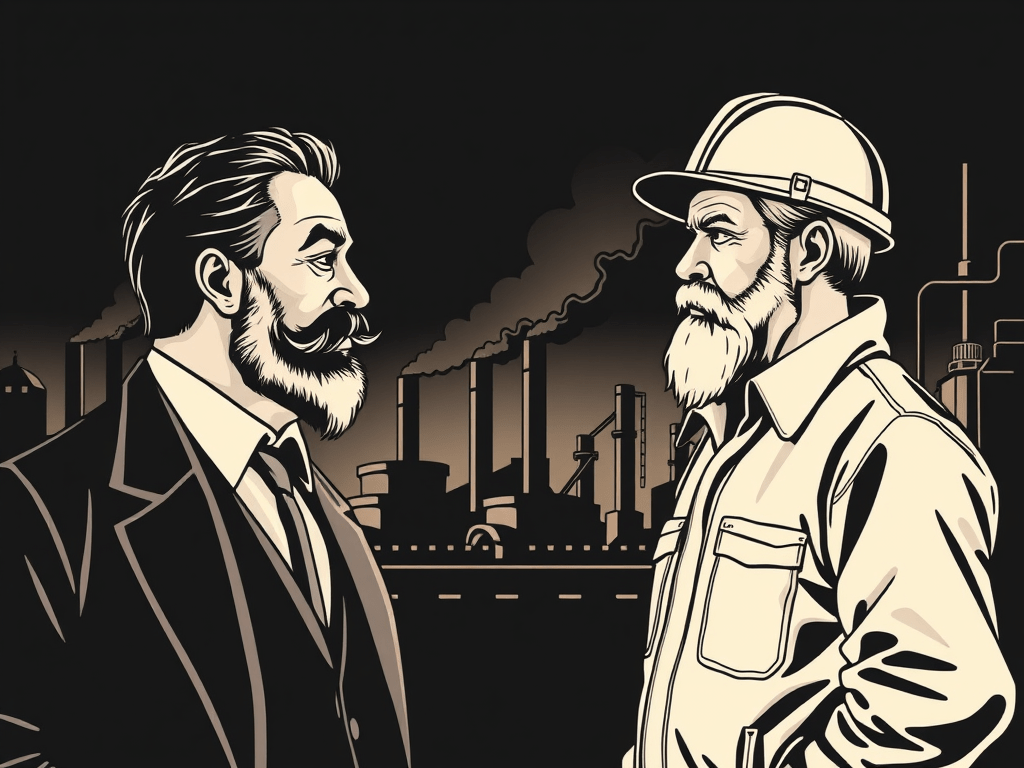
Karl Marx’s economic theories emphasize class struggle as the driving force behind societal change and historical evolution. Central concepts include the labor theory of value, surplus value, and historical materialism, which illustrate the antagonistic relationship between the bourgeoisie and proletariat. This conflict reflects broader socio-economic dynamics, ultimately predicting a revolutionary transition towards socialism and communism.
-
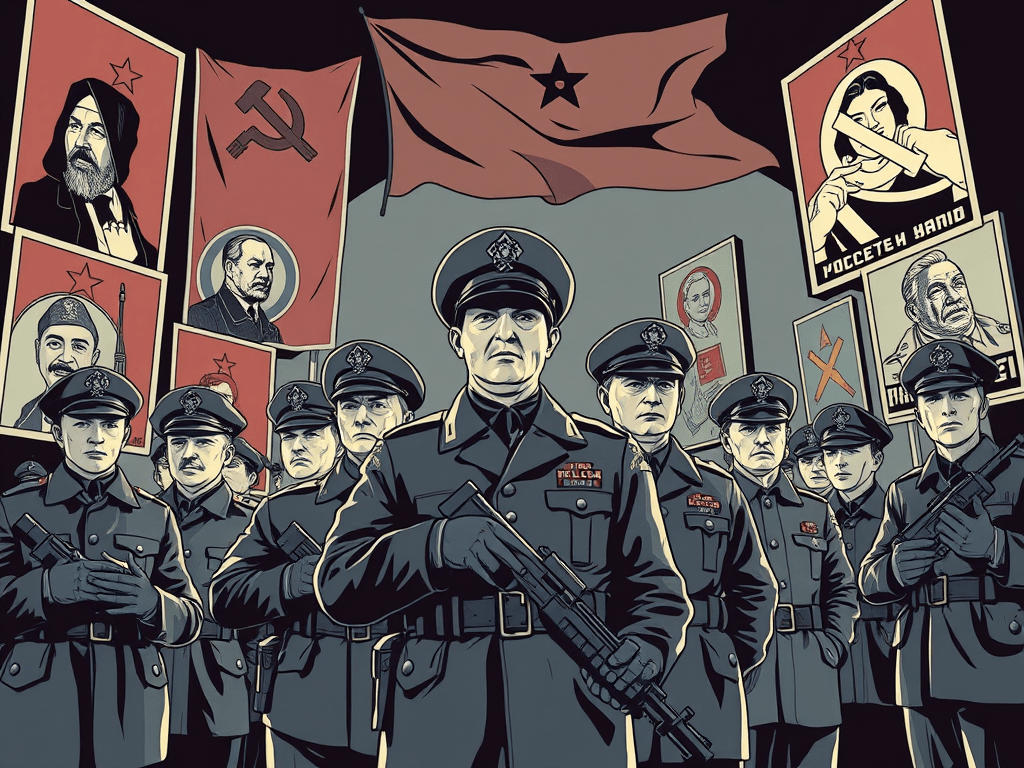
Between 1920 and 1940, Soviet law enforcement evolved significantly under Marxist-Leninist ideology, serving the Communist Party’s revolutionary goals. Institutions like the Cheka and NKVD enforced state security through extensive surveillance and brutal repression, targeting class enemies and dissenters. This ideological framework shaped a coercive policing system that instilled fear and compliance in society.
-

Imre Nagy (1896–1958) was a pivotal Hungarian communist politician during the 1956 revolution. Initially a socialist, he became Prime Minister advocating reforms and national sovereignty. Following Soviet oppression, Nagy sought asylum but was captured and executed for treason. He later became a symbol of resistance against Soviet rule and was rehabilitated posthumously in 1989.
-
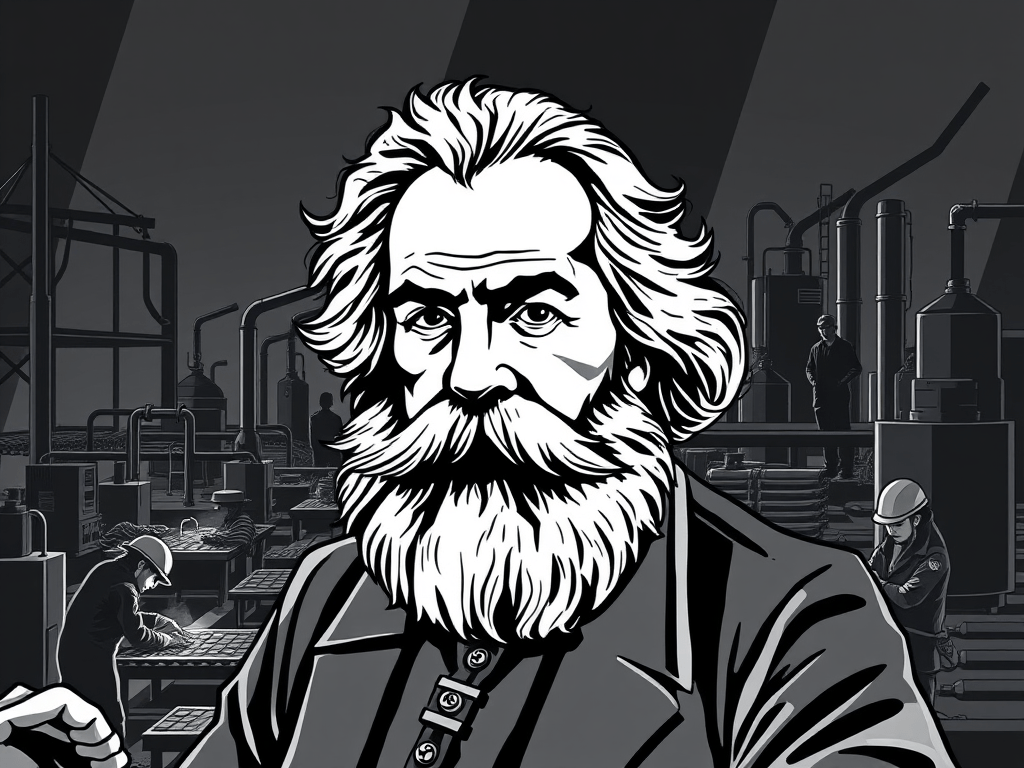
Marxist economic theory critiques capitalism by revealing systemic contradictions that lead to recurring crises. Central to this theory is surplus value, where workers’ labor generates profit for capitalists. The tendency of profit rates to fall exacerbates overproduction and underconsumption, creating inevitable economic downturns, indicating capitalism’s inherent instability and crisis-prone nature.
-

Georgi Dimitrov Mihaylov (1882-1949) was a key Bulgarian communist leader known for his role with the Comintern, his defense during the Reichstag fire trial, and as Bulgaria’s first communist prime minister. He promoted anti-fascism collaboration and left a significant legacy in communist theory, particularly regarding fascism and capitalism.
 Letters from Tomis