Marxism-Leninism
-
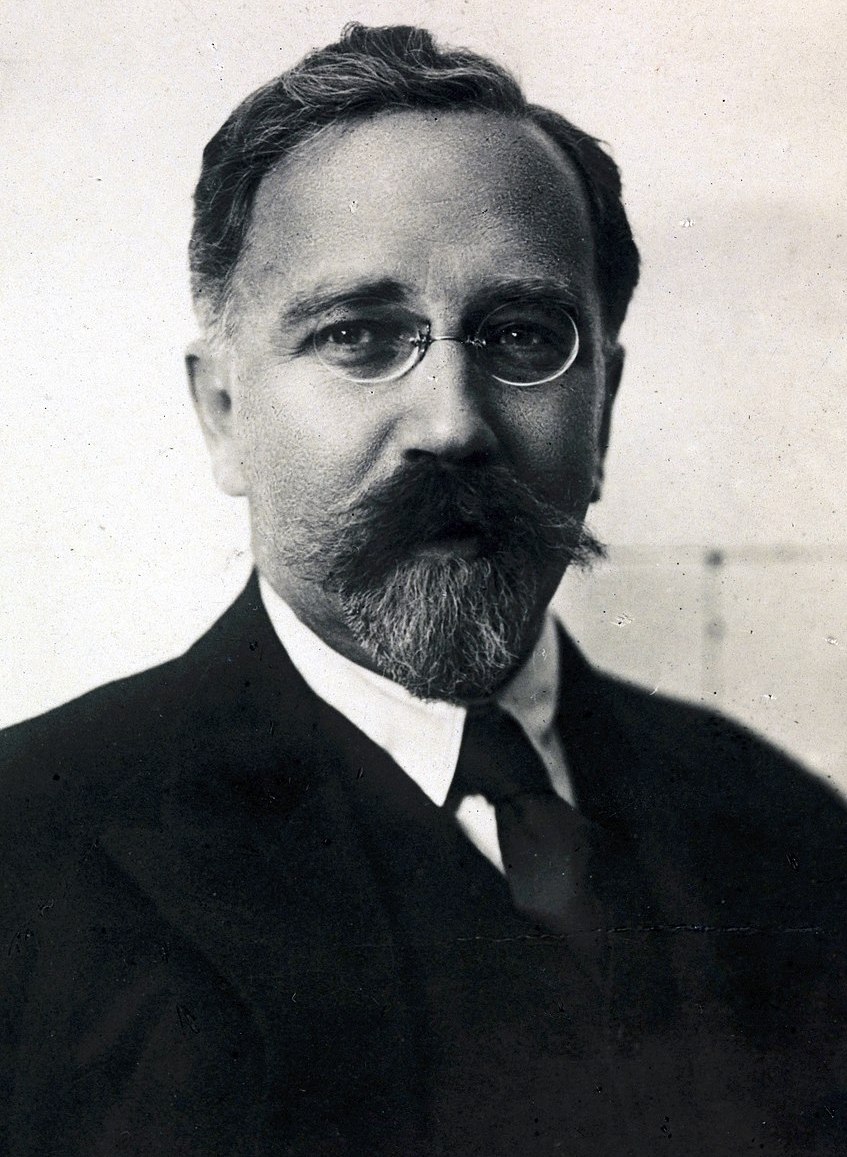
Lev Kamenev was a key Bolshevik revolutionary and early Soviet leader, closely associated with Lenin. He opposed the October Revolution’s timing but played significant roles in Soviet governance and policy. Ultimately critical of Stalin, he joined the United Opposition, was purged, and executed during the Great Purge, highlighting the tragic fate of early Bolsheviks.
-

The content analyzes China’s economic transformation from the late 1970s to the early 2000s, focusing on capitalist restoration under bureaucratic leadership. Key themes include the role of the Communist Party in this transition, the decline of worker rights, and the emergence of capitalism, culminating in China’s integration into the global capitalist system by 2001.
-
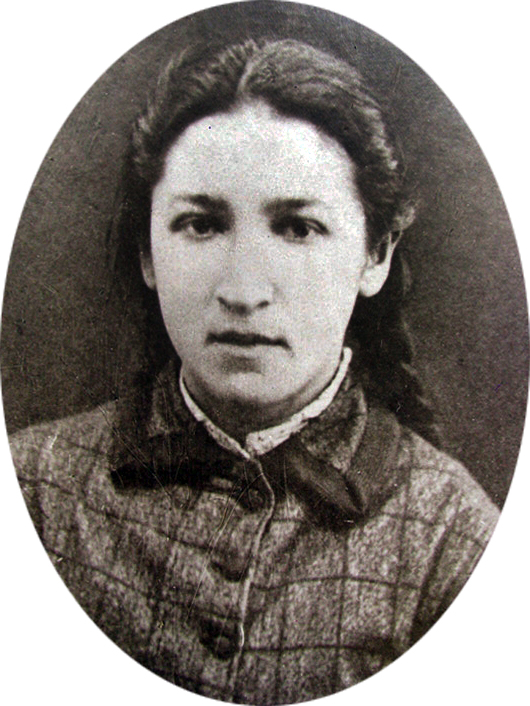
Vera Ivanovna Zasulich was a prominent Russian revolutionary and Marxist theorist, known for her 1878 assassination attempt on General Trepov. Initially influenced by populism, she became a key figure in introducing Marxist ideas in Russia, co-founding the Emancipation of Labor Group. Her later years saw a departure from active politics, especially post-1917 Revolution.
-

The lecture on “The Communist Manifesto” emphasizes its historical significance and ongoing relevance in contemporary discourse. It explores the text’s insights on capitalism, class struggle, and Marxist theory, alongside a critique of its predictions and enduring themes such as alienation and inequality in today’s global economy.
-
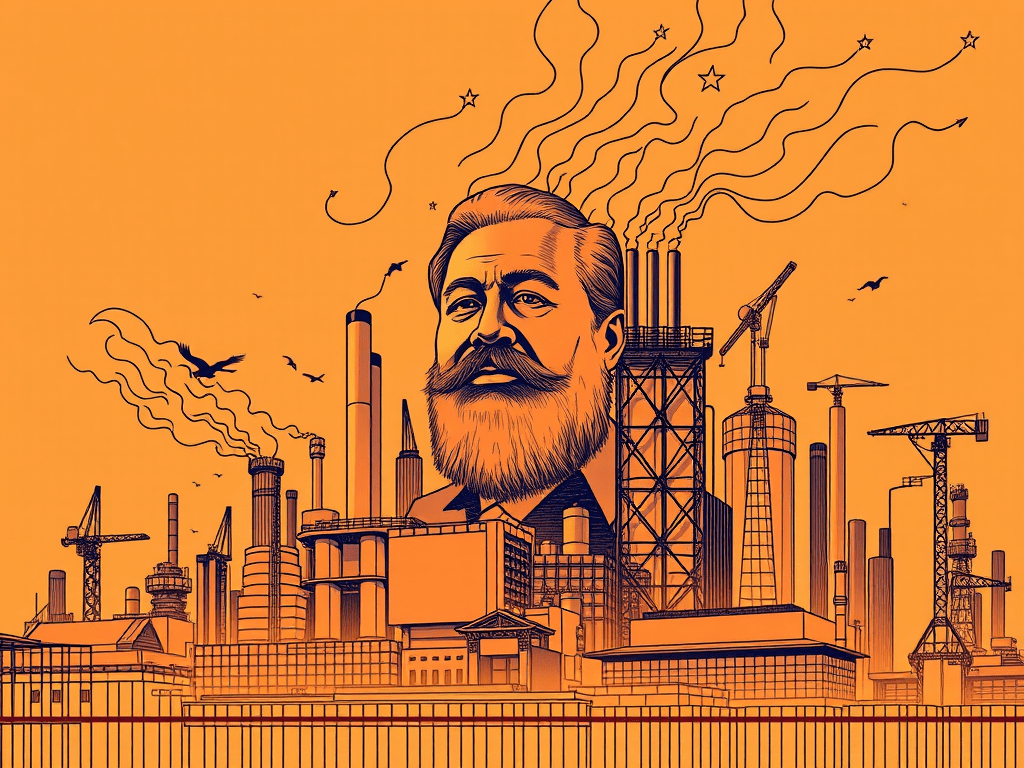
Lecture Short lecture based on Fred Weston’s article: https://marxist.com/new-chinese-translation-of-china-from-permanent-revolution-to-counter-revolution-available-now.htm Lecture Overview Today’s lecture explores Fred Weston’s Marxist analysis of China’s political and economic transformation from a revolutionary workers’ state to a capitalist imperialist power. This text serves as a preface to the Chinese translation of China: From Permanent Revolution to Counter-Revolution, and offers a panoramic…
-

Fidel Castro, born on August 13, 1926, became a central figure in Cuba’s revolutionary movement against Batista’s regime. His rise to power began with the 1953 Moncada attack, leading to his governance and significant reforms. Castro’s leadership saw Cuba align with Soviet socialism amid Cold War tensions, facing criticism for human rights abuses while improving…
-

Ted Grant’s Marxist analysis of capitalist economic cycles in “Will There Be A Slump?” highlights that capitalism is subject to inherent contradictions leading to recurring crises. He examines post-World War II economic upswing, overproduction, and the temporary nature of state interventions and nationalizations, illustrating the persistent instability and inequality in global capitalism.
-
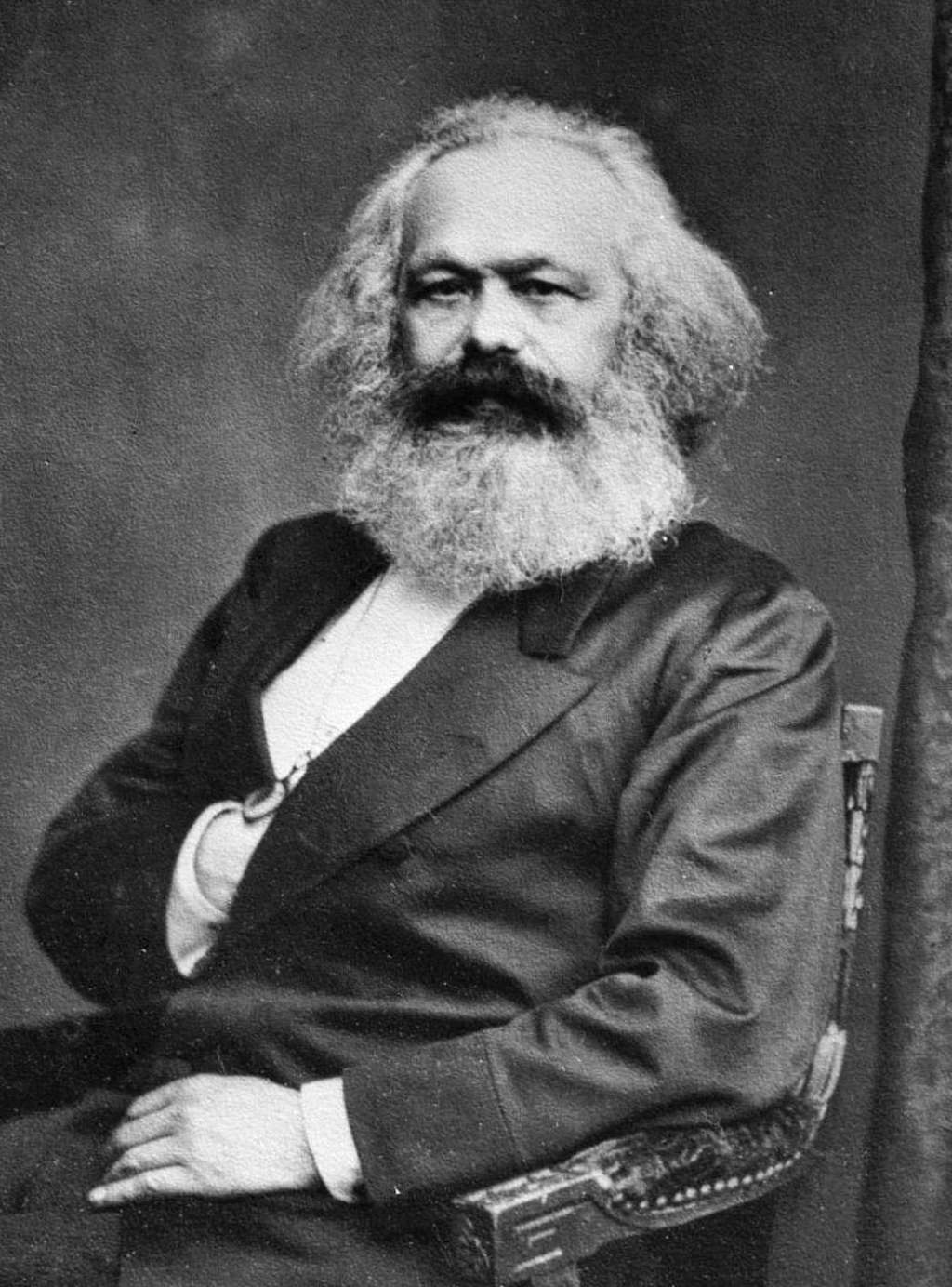
My Socialist Hall of Fame During this chaotic era of vile rhetoric and manipulative tactics from our so-called bourgeois leaders, I am invigorated by the opportunity to reflect on Socialists, Revolutionaries, Philosophers, Guerrilla Leaders, Partisans, and Critical Theory titans, champions, and martyrs who paved the way for us—my own audacious “Socialism’s Hall of Fame.” These…
-

Friedrich Engels’ The Origin of the Family, Private Property and the State remains vital in Marxist theory, analyzed in the 2020 Wellred Books edition. Rob Sewell’s introduction contextualizes Engels’ claims on the evolution of family, property, and state, especially regarding gender inequality. This edition enhances accessibility and relevance for contemporary discussions on social inequality.
-
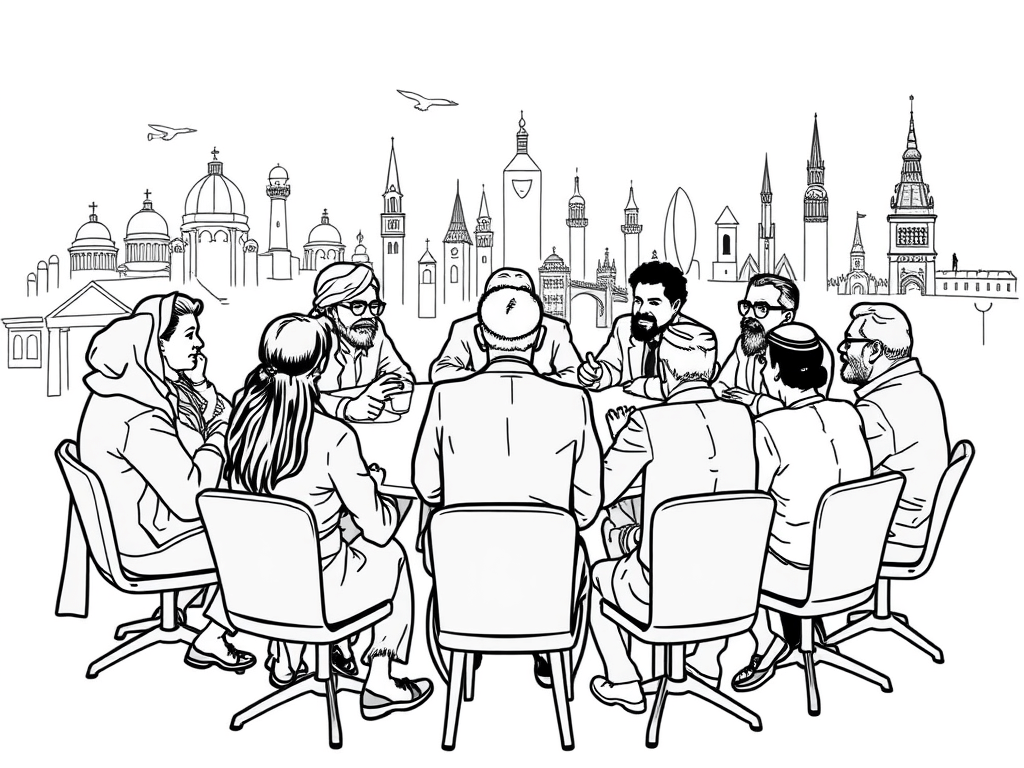
Between 2015 and 2025, Marxist philosophy revived globally, reshaping itself through dialogues with feminism, critical race theory, and ecological thought. Influential figures emerged in various regions, enriching traditional Marxism by addressing contemporary socio-economic and environmental issues. This evolution reflects Marxism’s adaptability in confronting modern challenges and diverse forms of oppression.
 Letters from Tomis