Marxism-Leninism
-

This essay explores contemporary Marxist theory and its analytical framework on social class, power, and inequality in the U.S. It delves into class structures, reproduction, state power, global capitalism, and precarity, demonstrating how ideology sustains the class hierarchy. It highlights historical shifts since WWII, emphasizing the evolving dynamics of economic disparities and the persistent influence…
-
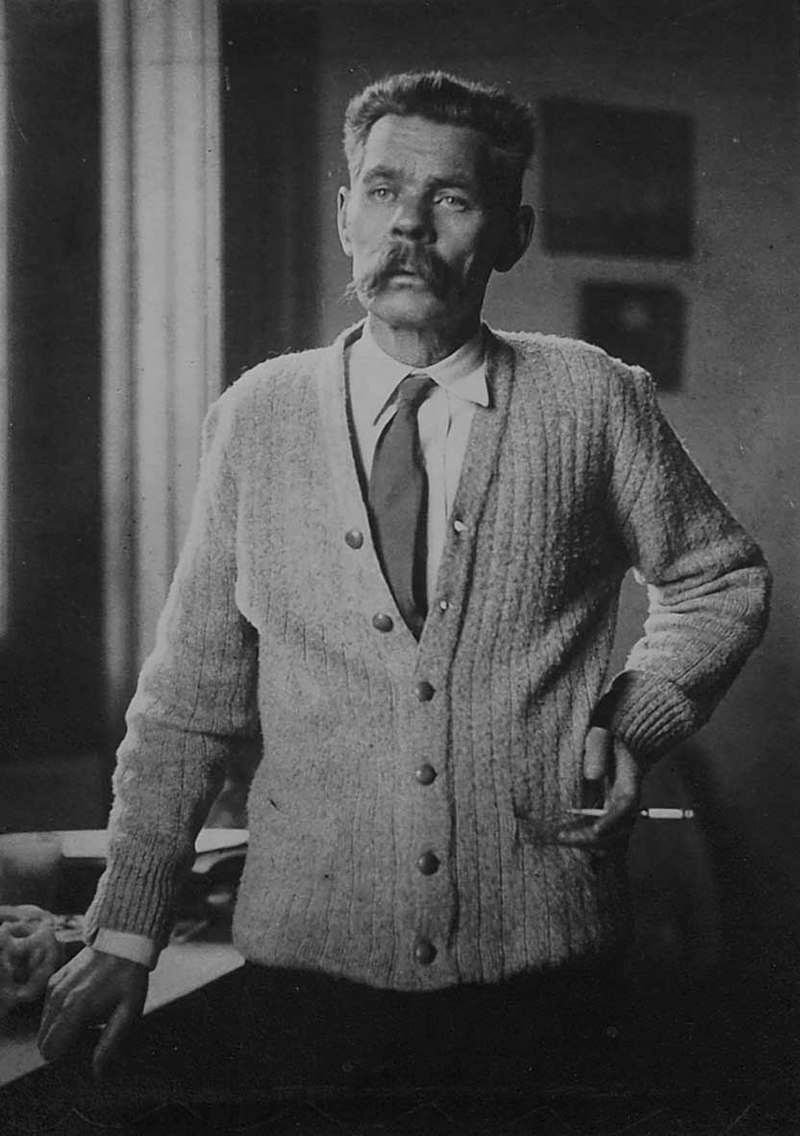
Maxim Gorky (1868–1936) was a pivotal Russian writer whose experiences of poverty shaped his literary themes focused on the working class. A supporter of the Bolshevik Revolution, he later criticized its authoritarianism, leading to self-imposed exile. His legacy endures through his works that explore revolutionary ideals and individual freedoms.
-
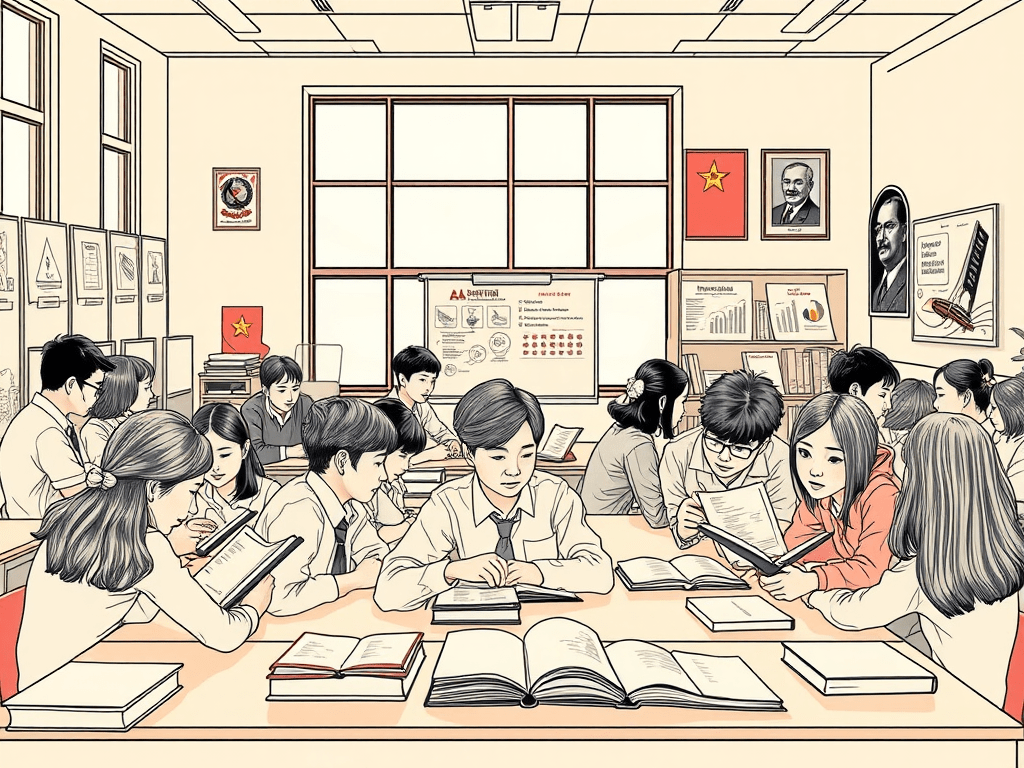
This essay explores the role of public education in socialist contexts, emphasizing its foundational principles of universal access, social equality, and ideological instruction. Through case studies of the USSR, China, Cuba, and Vietnam, it highlights successes in literacy and education equity while acknowledging challenges of political indoctrination and inherent systemic issues in socialist education models.
-

Marcel Cachin (1869–1958) was a significant figure in French socialism and communism, instrumental in founding the French Communist Party. His life reflected the evolution of leftist movements in Europe post-World War I. Recognized for his commitment to internationalism and working-class struggles, Cachin’s legacy reveals both idealism and challenges within Communist politics.
-
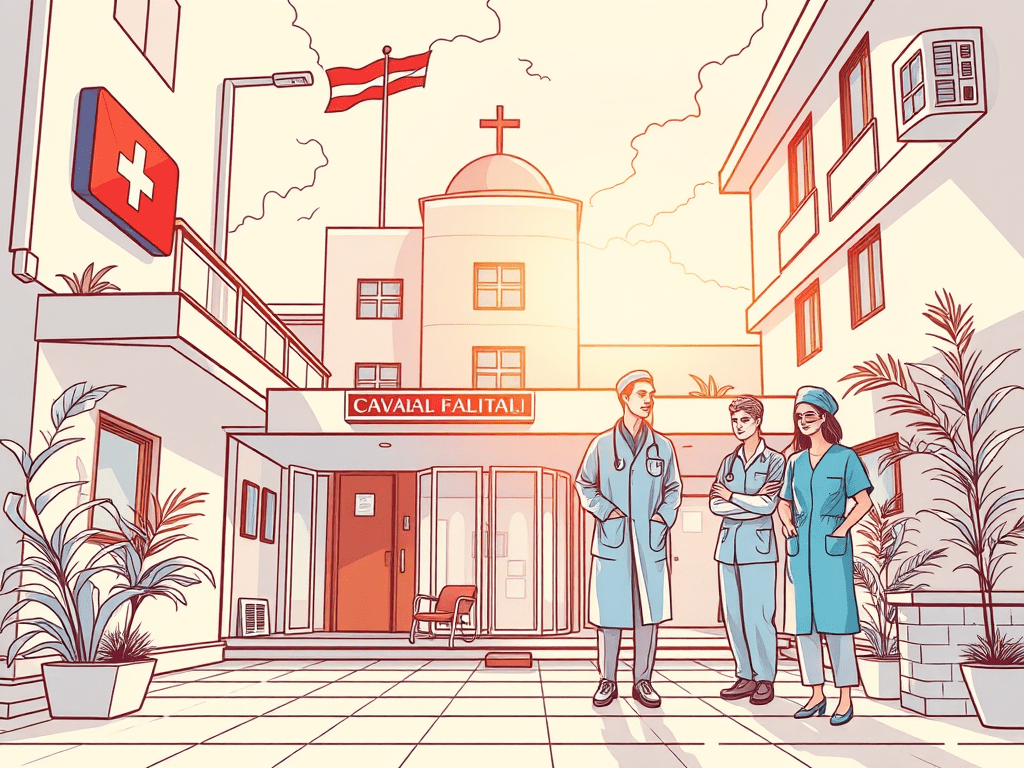
This essay examines how socialist policies shape healthcare systems, highlighting Cuba and Sweden as case studies. Both nations prioritize healthcare as a human right, ensuring universal access and equity. Key themes include comprehensive coverage, preventive care focus, and effective resource allocation. Their experiences demonstrate that socialist principles can lead to successful, equitable healthcare outcomes.
-

Alexei Rykov (1881–1938) was a key Bolshevik leader and Soviet statesman instrumental in the early Soviet Union’s formation. After opposing Lenin, he later became Premier but fell out of favor with Stalin due to his support for the NEP. Arrested during the Great Purge, he was executed in 1938. He was rehabilitated posthumously in 1988.
-
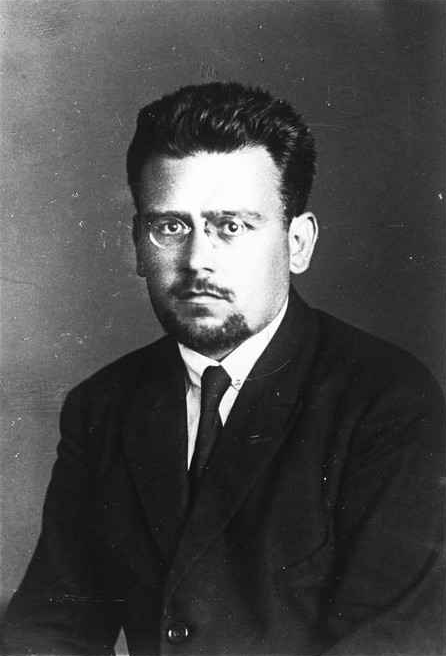
Amadeo Bordiga (1889–1970) was a pivotal, contentious figure in international communism, known for founding the Italian Communist Party. His rigorous critiques of reformism, parliamentary democracy, and Stalinism shaped left communism. Despite political marginalization, Bordiga’s theoretical contributions continue to influence contemporary Marxist discourse and debates about revolutionary practice.
-

Fidel Castro’s “Revolution and the Road to Peace in Colombia” analyzes Colombia’s armed conflict through a revolutionary lens, emphasizing historical inequalities and U.S. imperialism. Advocating for peace negotiations alongside armed struggle, Castro critiques U.S. diplomacy and stresses the need for social reforms. His reflections provide valuable insights for understanding Latin American revolutionary movements.
-

Alan Woods’s “Bolshevism: The Road to Revolution” provides a comprehensive Marxist analysis of the Bolshevik Party’s origins and evolution. The book highlights the ideological and strategic foundations of Bolshevism, distinguishing it from Stalinism, and emphasizes the significance of theory in revolutionary practice. This work serves as an essential resource for understanding socialist movements.
-

Christian Rakovsky (1873–1941) was a key Marxist revolutionary and diplomat influential in the Bolshevik movement. He advocated for socialist internationalism and played significant roles in Ukraine and as Soviet ambassador to France. Ultimately, his opposition to Stalinist policies led to his expulsion from the Communist Party and execution during the Great Purge.
 Letters from Tomis