Marxism-Leninism
-
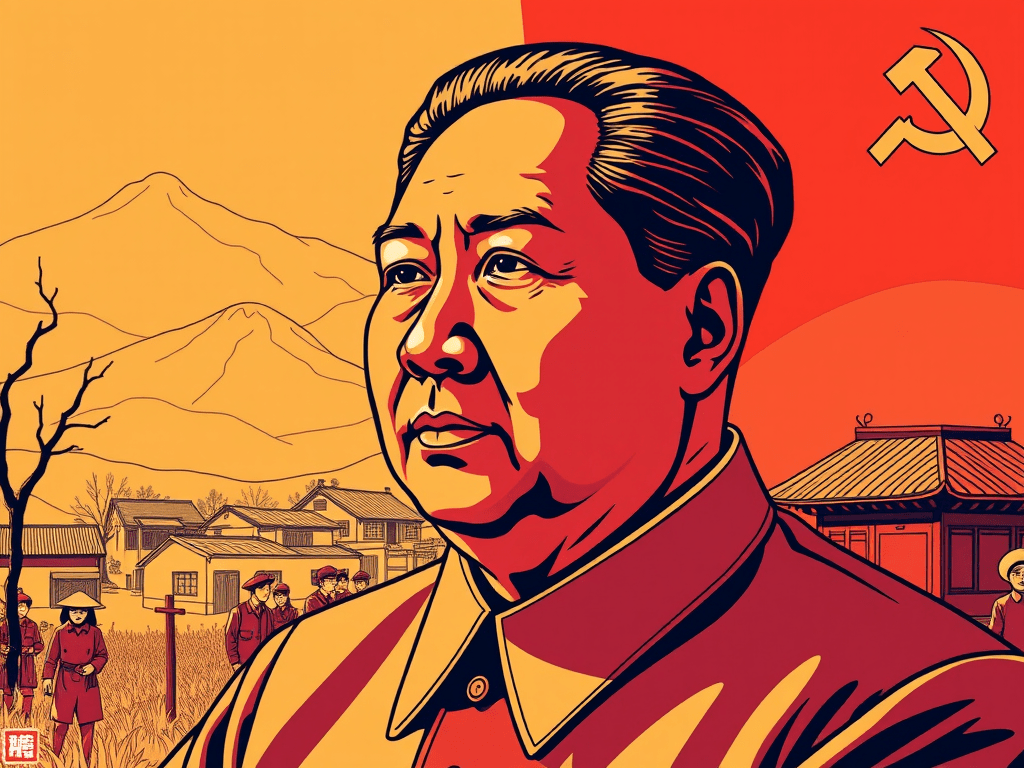
The Chinese Communist Party (CCP) underwent significant ideological evolution under Mao Zedong from 1921 to 1976, adapting Marxism-Leninism to Chinese realities. Key innovations included Mao Zedong Thought, the Mass Line, peasant-centered revolution, and democratic centralism. These concepts shaped the CCP’s strategies, aimed at socialist construction, continuous class struggle, and integrating theory with practice.
-

The Fourth International, founded in 1938 by Trotskyists, aimed to unite Marxists for global revolution against Stalin’s Comintern. Despite its revolutionary ambitions, it faltered due to adverse conditions post-World War II, internal divisions, and repression. Its legacy persists today in various Trotskyist groups, still advocating international socialism.
-

Michael Parenti is a prominent American Marxist scholar whose extensive work critiques capitalism, imperialism, and corporate media. His career reflects a commitment to accessible radical education, influenced by his working-class roots. Despite marginalization in academia, Parenti’s writings have significantly shaped anti-capitalist movements and continue to resonate with contemporary socialist activism.
-
The German Communist Party (KPD) was founded in 1918, evolving through revolutionary turmoil and ideological shifts, primarily influenced by Luxemburgism and Marxism-Leninism. It ultimately faced repression under the Nazis and later transformed into the Socialist Unity Party in East Germany, while being banned in West Germany. The KPD’s complex legacy reflects its commitment to socialism,…
-

James Patrick Cannon (1890–1974) was a key figure in American socialism and Trotskyism. He co-founded the Communist Labor Party and later the Socialist Workers Party (SWP), advocating for revolutionary organizing and anti-Stalinism. His legacy, including influential writings and prison correspondence, significantly shaped the American left’s strategies and understanding.
-

Ernesto Guevara’s “Socialism and Man in Cuba” is a pivotal essay that articulates a humanist vision of revolutionary socialism. It emphasizes moral transformation, collective commitment, and the concept of the “new man,” advocating for a socialism rooted in ethical engagement rather than materialism. Guevara’s insights remain relevant today, inspiring ongoing social justice and socialist movements.
-

Josip Broz Tito (1892–1980) was a pivotal figure in 20th-century socialism, renowned for leading Partisan resistance during WWII and founding socialist Yugoslavia. His legacy includes promoting workers’ self-management, advocating cultural pluralism, and establishing the Non-Aligned Movement, embodying a non-dogmatic approach to socialism that emphasized independence and international solidarity.
-
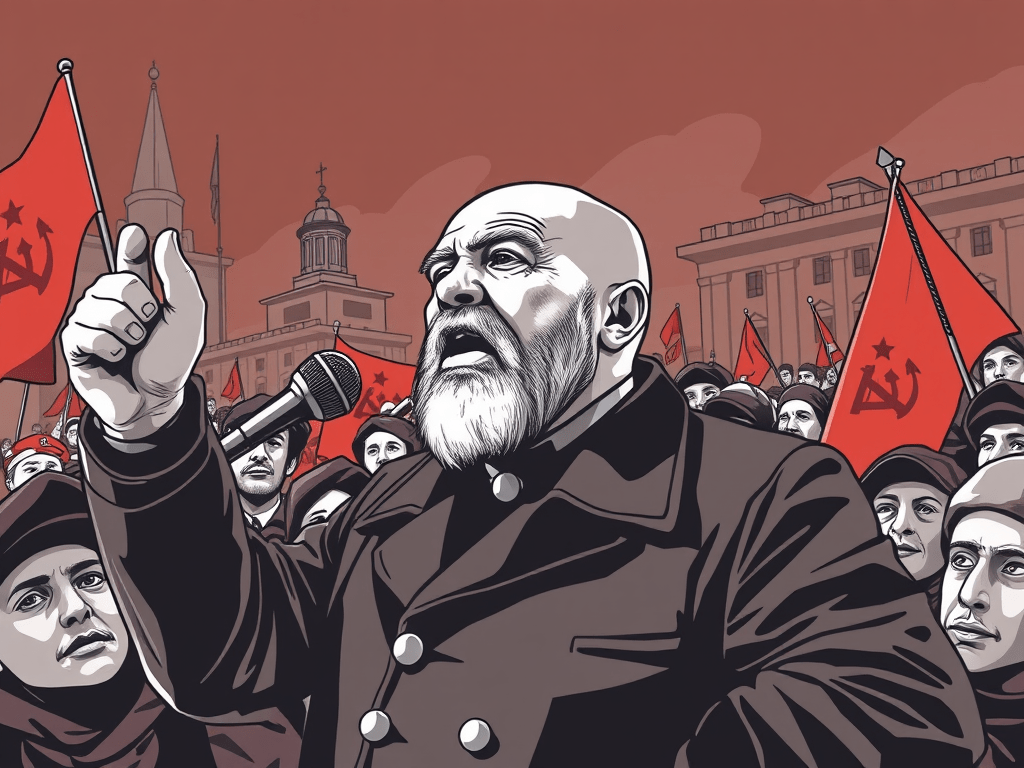
Vladimir Lenin’s State and Revolution is a pivotal Marxist text that critiques reformist approaches and emphasizes the necessity of a proletarian state to dismantle bourgeois power. Written in 1917, it combines theoretical rigor and revolutionary strategy, offering insights for contemporary struggles against inequality and capitalist frameworks, retaining its significance over time.
-

The Communist Party of Greece (KKE), founded in 1918, embodies a resilient history of Marxist-Leninist struggle against imperialism and bourgeois oppression. Active in various pivotal moments, such as WWII and the Greek Civil War, it remains a vital force in advocating for revolutionary socialism amidst contemporary neoliberal challenges, maintaining its ideological integrity.
-

Fred Hampton was a pivotal leader of the Black Panther Party, advocating for Black liberation and anti-capitalist solidarity. His assassination at 21 by the U.S. government highlighted the threat he posed to systemic injustice. Hampton’s legacy inspires contemporary movements, emphasizing grassroots organizing and cross-racial coalition building against oppression.
 Letters from Tomis