Marxism-Leninism
-

Mechanistic materialism, while intellectually appealing, offers a limited perspective on reality. It reduces complexities of existence, including creativity and morality, to mere physical processes. Although materialism has grounded our understanding of the universe, it fails to acknowledge essential dimensions of human experience and understanding, necessitating a broader approach to reality.
-

The reflections explore the complex concept of dialectics, emphasizing its historical evolution from ancient Greek argumentation to Marx’s material interpretation. Dialectics challenges simplifications, urging a nuanced understanding of contradictions in human thought and society. Embracing dialectics requires intellectual rigor and readiness to confront complexity in pursuit of truth and personal growth.
-

Euripides’ play Orestes, written in 408 BCE, explores themes of class struggle and societal dynamics through a Marxist lens. The protagonists Orestes and Electra grapple with moral crises stemming from their aristocratic lineage. The play critiques the ruling elite’s corruption and the societal institutions that perpetuate inequality, urging viewers to question their own societal norms.
-

Materialism posits that matter is the essence of reality, challenging superstitions and promoting evidence-based understanding. It advocates for self-created meaning and emphasizes ethical responsibilities, particularly in social justice. Critics argue it is bleak, yet it empowers individuals to confront reality, fostering dignity and progress in an indifferent universe.
-

The discussion explores the nature of “common sense” versus philosophy, arguing that while common sense provides practical insights essential for survival, it lacks the depth and rigor of philosophical inquiry. Common sense should not be mistaken for universal truth; instead, it serves as a starting point for deeper exploration rather than a definitive worldview.
-
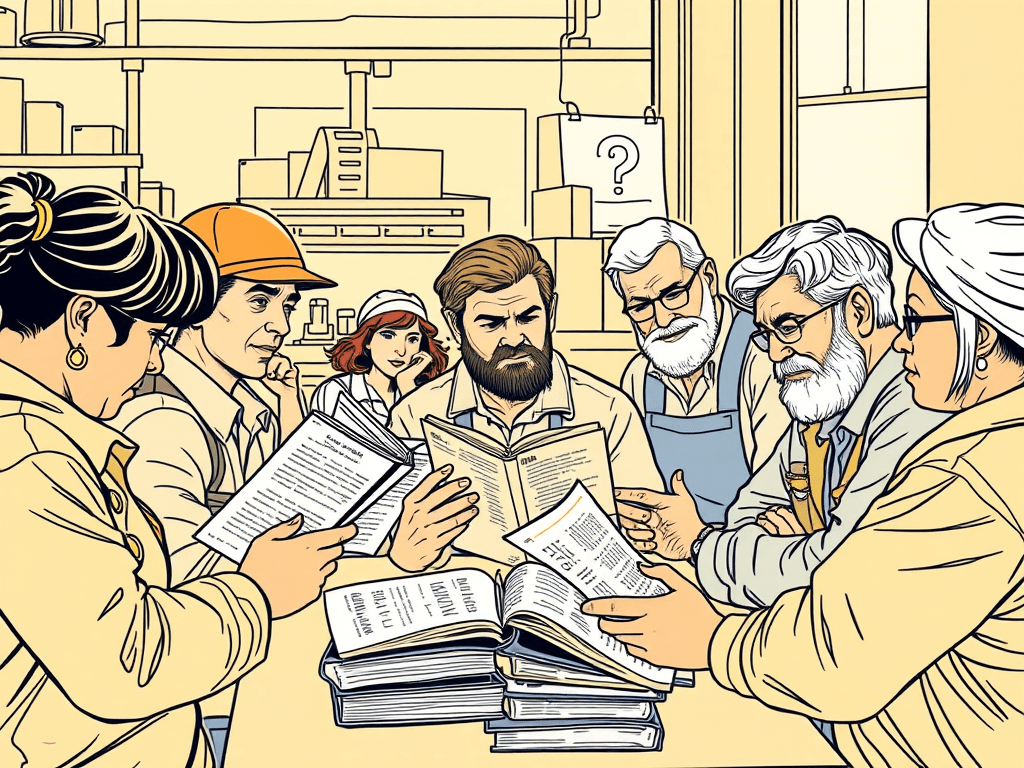
The author reflects on misconceptions about philosophy’s accessibility, arguing that it is essential for the working class. Philosophy offers critical insights and empowerment, enabling workers to articulate their grievances and challenge oppressive systems. Embracing philosophy transforms frustrations into movements, ensuring that the pursuit of wisdom is a universal right, not limited to the elite.
-
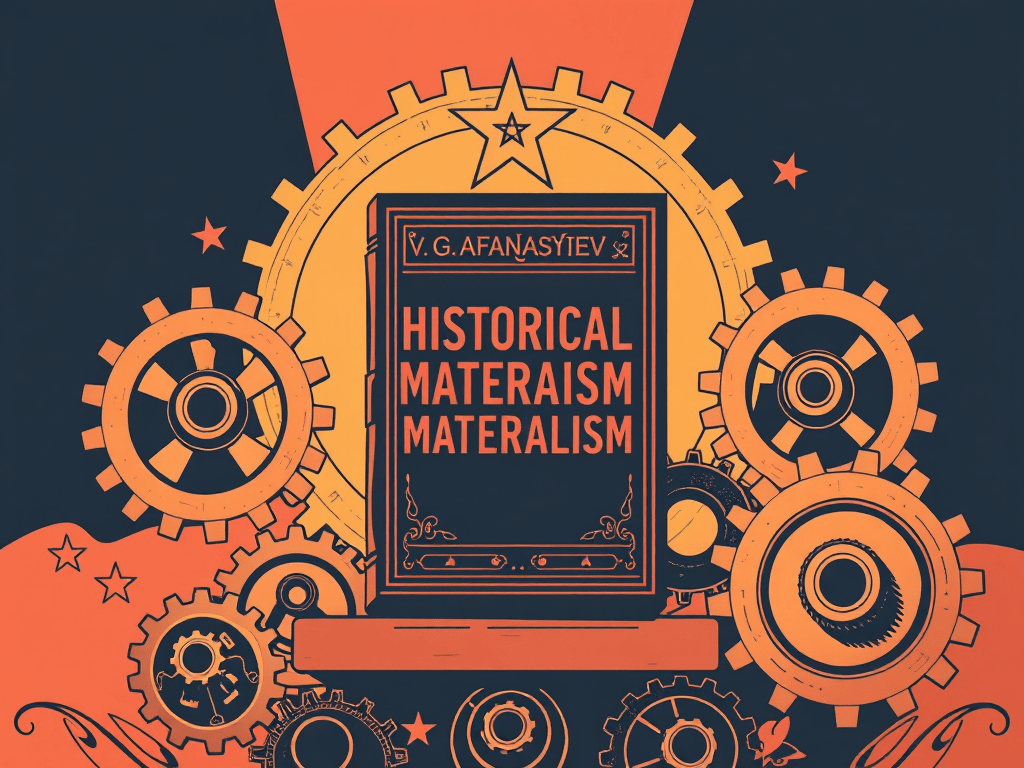
V.G. Afanasyev’s Historical Materialism is a significant Soviet-era analysis of Marxist theory, outlining the materialist conception of history with precision. While the text skillfully links theory to historical examples, it exhibits dogmatism and overlooks the nuanced interplay of factors shaping history. Despite its limitations, it remains a valuable resource for understanding Marxism in a Soviet…
-
The author expresses frustration and despair over U.S. politics, viewing the Harris-Walz ticket as a lesser evil compared to Trump-Vance. They argue that elections reinforce capitalist dominance, benefitting the ruling class while failing to address systemic inequalities. Genuine change requires grassroots organization and revolutionary theory, not mere electoral reforms.
-
The author reflects on their feelings of exile in the current societal landscape, reminiscent of Ovid’s banishment. They express sorrow over lost ideals of equity, highlighting the necessity for dignity, compassion, and justice for all individuals. Through these “letters,” they seek to understand and inspire a vision for a better future.
 Letters from Tomis