Marxism-Leninism
-
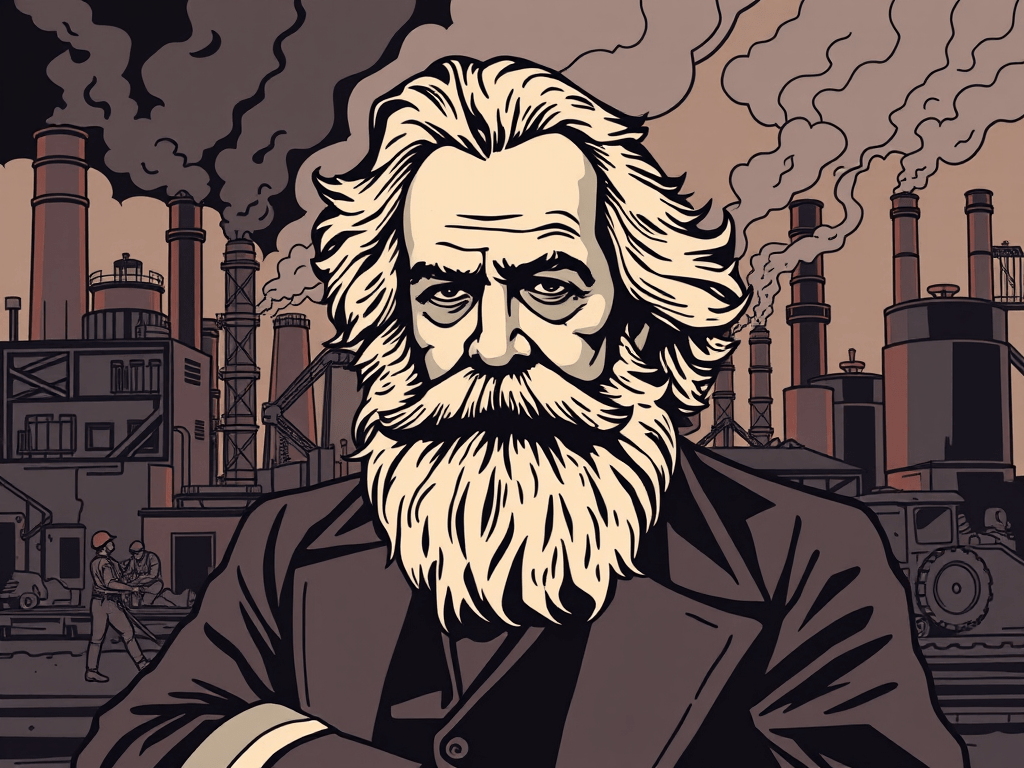
This reflection on historical materialism, inspired by What is Marxism by Sewell and Woods, explores class as a driving force in societal evolution. Marx’s view of class transcends economic status, focusing on relationships to production and the exploitation inherent in capitalism. It emphasizes the importance of class consciousness in revolutionary change and critiques contemporary misunderstandings…
-

Olga Benário, born in 1908 in Munich, became a notable communist activist after joining the Communist Party of Germany. Her efforts in revolutionary movements led her to Brazil, where she worked alongside Luís Carlos Prestes. Captured and deported to Nazi Germany, she faced persecution and ultimately was executed in 1942. Her legacy symbolizes courage against…
-

This series of reflections on historical materialism explores the interplay between individual agency and societal structures in Marxist thought. It emphasizes that while individuals shape history, they operate within existing material conditions. This dialectical relationship underlines the complexities of historical development, challenging simplistic interpretations of history as solely driven by impersonal forces or individual will.
-
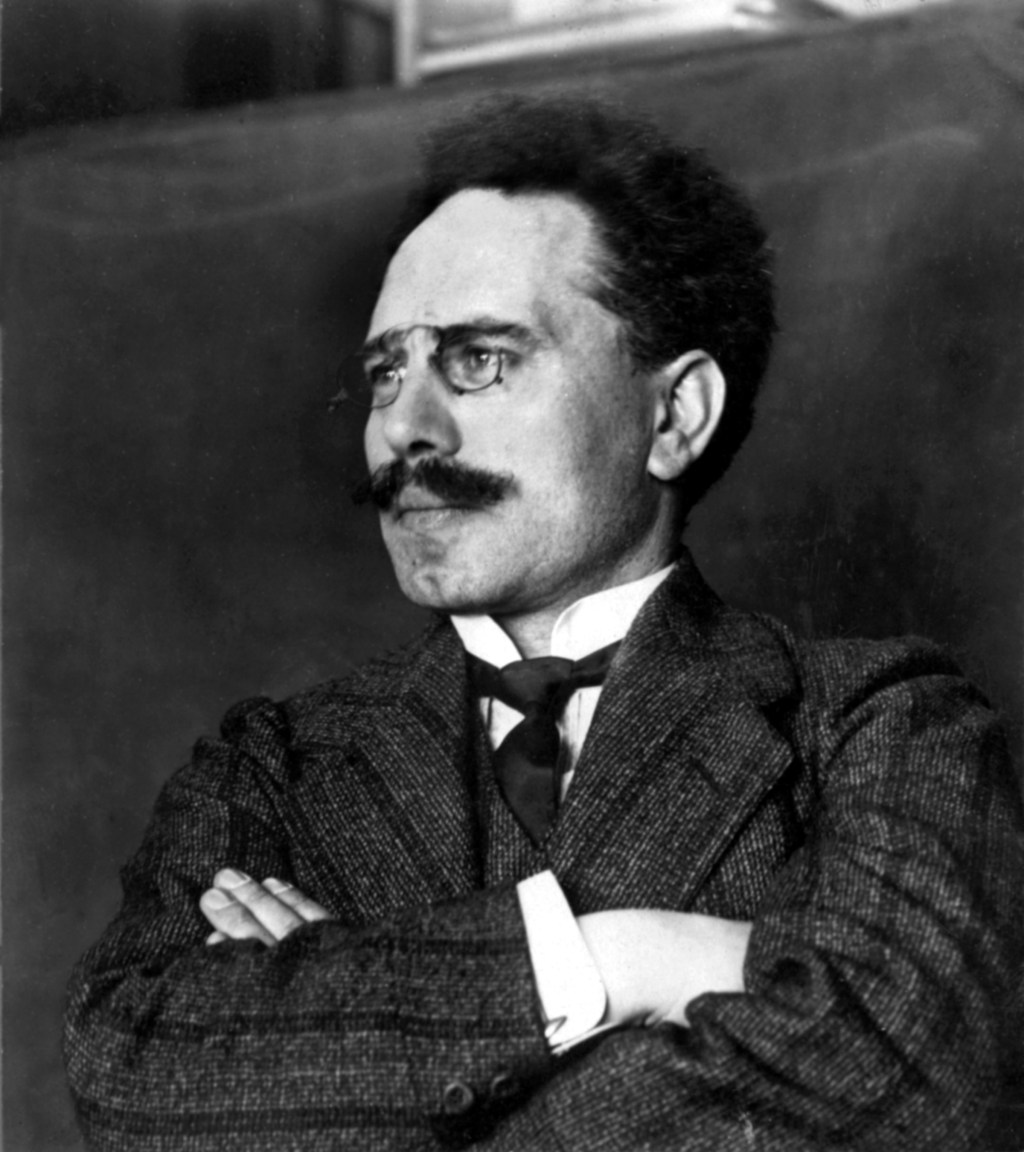
The text highlights the legacy of Karl Liebknecht and Rosa Luxemburg as symbols of socialist resistance against capitalism and militarism. Their contributions to political activism and critical theory have inspired future generations. Despite personal flaws, they embody the ongoing struggle for justice, equality, and workers’ rights, making them enduring figures in socialist history.
-

This content reflects on Walter Benjamin, a pivotal figure in Marxist and critical theory. His works, engaging with art, culture, and modernity, illustrate the destructive impact of capitalism. Benjamin’s profound insights and tragic end underscore his enduring legacy in the humanities, influencing various fields and encouraging revolutionary thought.
-
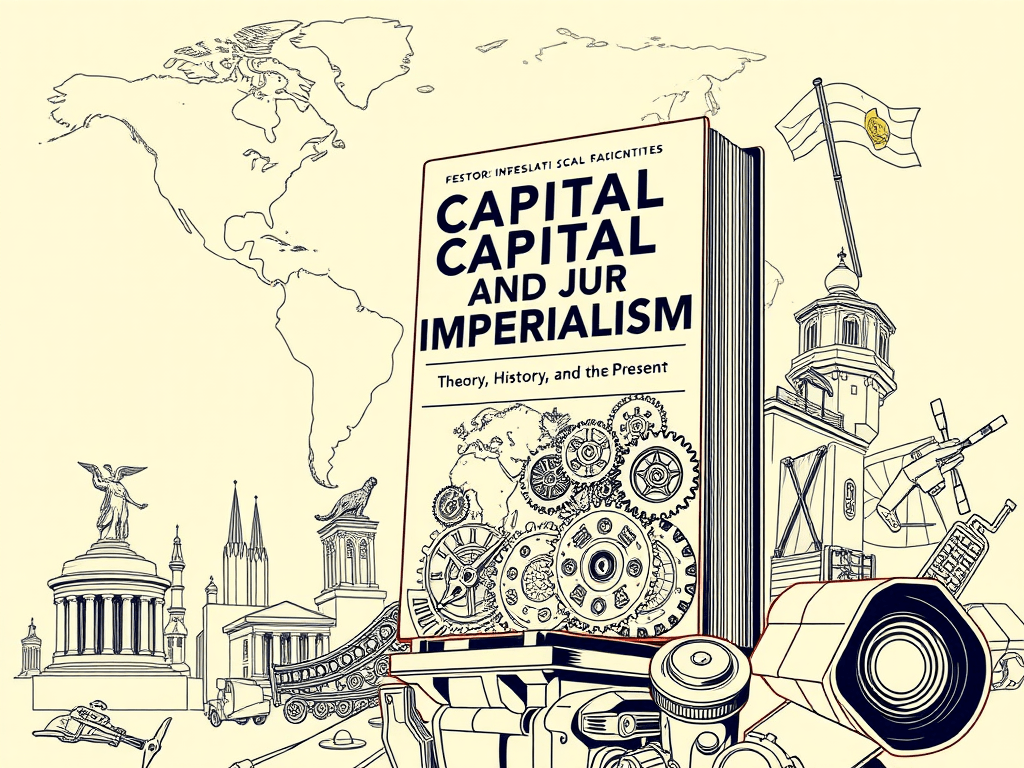
“Capital and Imperialism: Theory, History, and the Present” by Utsa and Prabhat Patnaik analyzes the connection between capitalism and imperialism, exploring their historical roots and contemporary implications. The authors provide accessible insights into global economic inequalities, emphasizing the ongoing exploitation from the Global South to the Global North and offering pathways toward a more equitable…
-
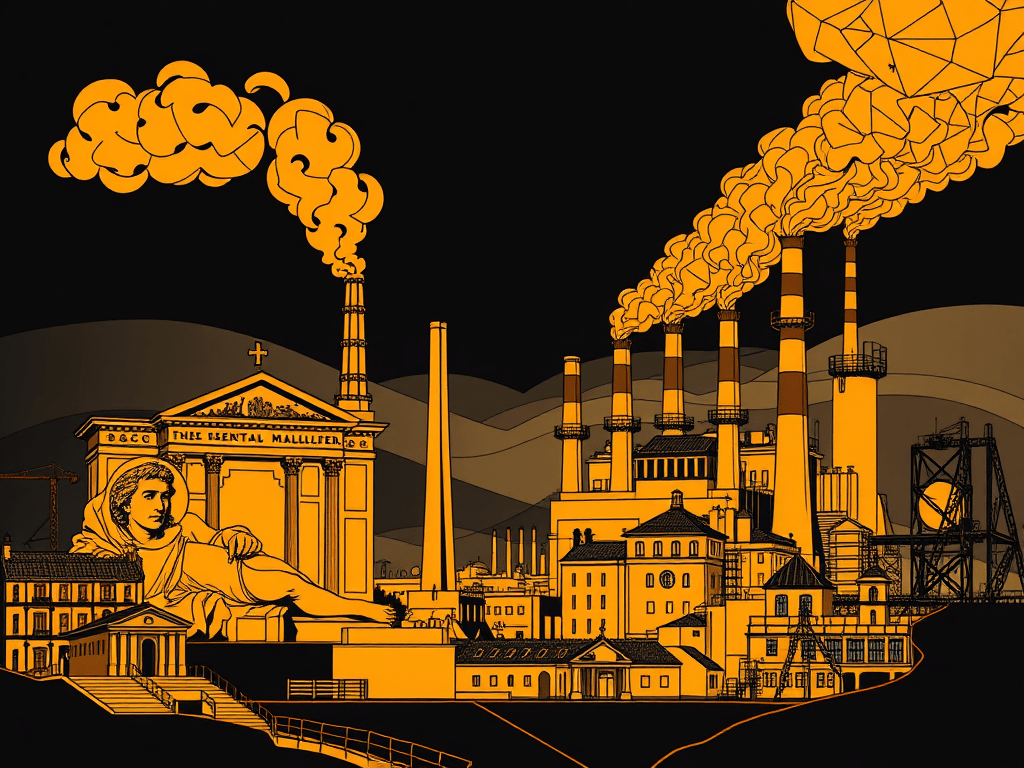
The Marxist perspective on art challenges traditional notions of artistic genius by positioning art within the material conditions and social relations of its time. It asserts that art not only reflects societal contradictions but can also inspire change. This interplay of freedom and constraint underscores art’s complex role in shaping consciousness and society.
-

The text explores the distinctions between determinism and fatalism. Determinism asserts that human actions are caused by preceding conditions, allowing for meaningful freedom, while fatalism posits that outcomes are preordained, rendering human efforts meaningless. Embracing determinism encourages responsibility and progress, while fatalism leads to passivity and despair.
-
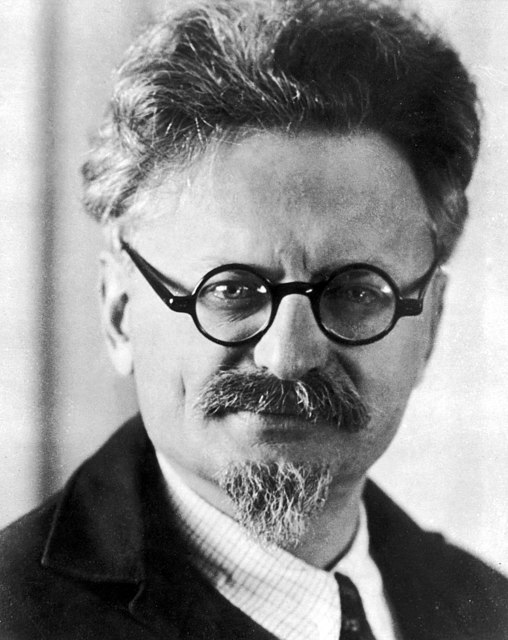
The content highlights Leon Trotsky’s significant contributions as a Marxist revolutionary and theorist. A key figure in the Russian Revolution and the founder of the Red Army, Trotsky opposed Stalin’s bureaucratic regime before his exile and assassination in 1940. His influential works continue to shape socialist thought and historical analysis.
-

Dialectical materialism, rooted in Marxist philosophy, interprets societal change through material contradictions within economic systems. While acknowledging its limitations and critiques, this framework remains relevant in addressing modern challenges like climate change and digital monopolies. Embracing its insights, without rigid dogma, is essential for understanding and navigating our rapidly evolving world.
 Letters from Tomis