Marxism-Leninism
-

The German Ideology, co-authored by Karl Marx and Friedrich Engels, critiques idealist philosophy and introduces historical materialism. It argues that material conditions shape societal structures and consciousness. The text examines ideology as a tool for ruling classes, remains relevant for understanding power dynamics, and is essential for exploring Marxist thought and socialism.
-

Human progress relies on adaptation and critical thinking regarding our economic and political systems. Currently, capitalism’s inequalities demand a shift toward socialism, which prioritizes communal needs over profit. Socialism seeks to democratize power and resources, promoting well-being and cooperation, while recognizing human value beyond mere economic contributions. Embrace this moral revolution for a sustainable future.
-
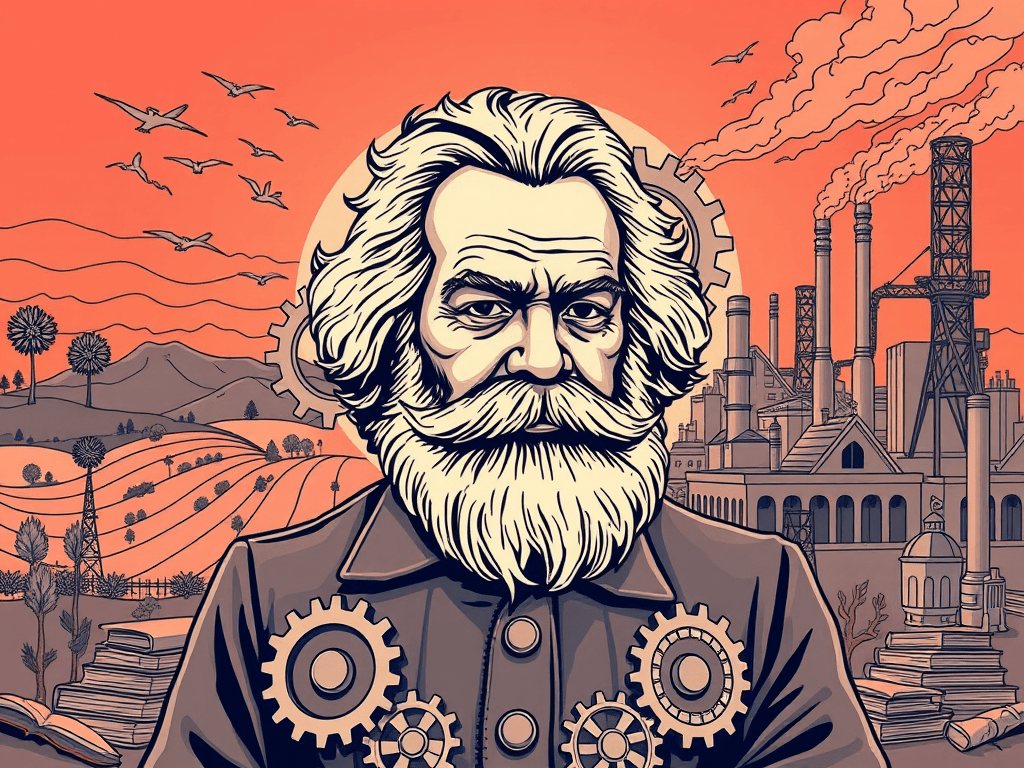
Karl Marx offers a historical materialist perspective on human consciousness, emphasizing that it is shaped by material conditions rather than existing independently. Consciousness evolves through class struggles, reflecting economic realities. As societies transform, so do ideologies, showcasing a dialectical process where contradictions propel social progress and change in consciousness.
-

Karl Marx’s Value, Price, and Profit is a foundational work on Marxist economic theory, presented as a speech in 1865. It critiques capitalism, explains exploitation through surplus value, and empowers the working class. Its accessible style and blend of theory with practical calls for action make it relevant for contemporary struggles for economic justice and…
-
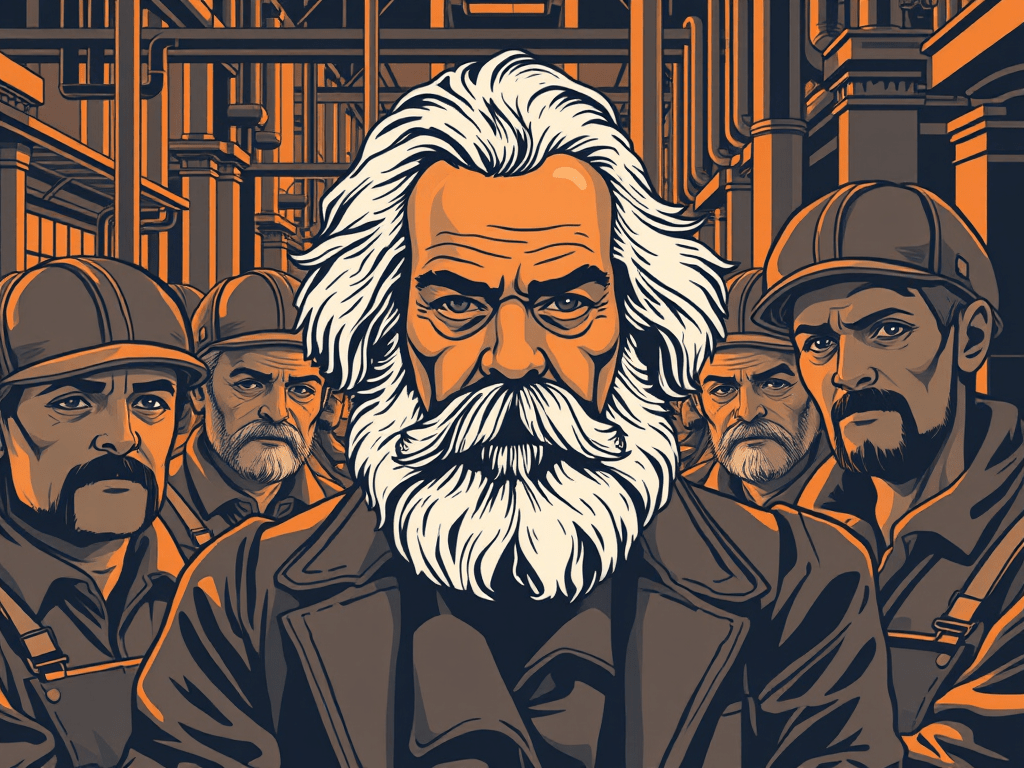
Karl Marx described the working class as the “gravediggers” of capitalism, emphasizing their role in challenging the system’s inherent contradictions and exploitative nature. While capitalism adapts and reshapes itself, the potential for collective action among workers emphasizes their capacity for revolutionary change, making the future of the system uncertain.
-

I discuss capitalism’s unique drive for constant innovation, contrasting it with the stagnation of feudal economies. The Industrial Revolution exemplifies how advancements transformed societies, often at a human cost. However, capitalism’s inherent contradictions, like wealth concentration and displacement of workers, raise questions about its sustainability and the potential need for a new economic system.
-

Eric Hobsbawm, a prominent historian born in Egypt, shaped by his experiences in Europe, had a significant academic career focused on social and economic history. A lifelong Marxist, he critiqued capitalism and imperialism while advocating for nuanced historical understanding. Hobsbawm authored influential works, leaving an enduring intellectual legacy upon his death in 2012.
-

The bourgeois revolutions marked significant shifts from feudalism to capitalism, driven by class struggle and economic liberation. They dismantled old hierarchies, established market economies, and fostered national identities, while also emphasizing secular authority. Despite achieving liberation, they introduced new forms of oppression, foreshadowing future class struggles for true emancipation.
-

Louis Pierre Althusser, born in Algeria in 1918, was a prominent Marxist philosopher who reinterpreted Marxism through structuralism. His concepts of Ideological State Apparatuses and overdetermination reshaped Marxist thought amid Cold War disillusionment. Despite personal struggles and a controversial legacy, his theories continue to influence critical and cultural studies today.
-
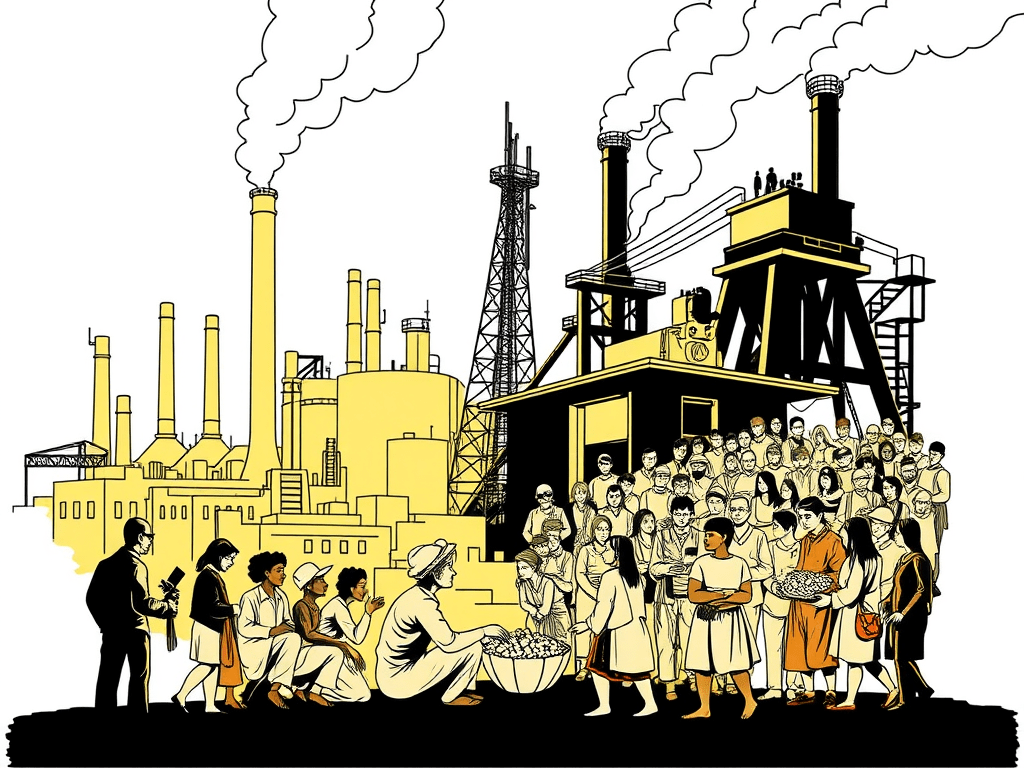
The debate about human selfishness is framed through a Marxist perspective, which argues that selfishness is a product of capitalism rather than inherent human nature. Historical materialism suggests that socio-economic conditions shape behavior, with cooperation prevalent in pre-capitalist societies. Socialism presents an opportunity to foster solidarity and reject selfishness, challenging the notion that it is…
 Letters from Tomis