Marxism-Leninism
-

Karl Marx’s concept of socially necessary labor time (SNLT) reveals how capitalism measures labor not by effort or skill but by efficiency standards. This leads to exploitation, as workers’ productivity gains benefit owners rather than themselves. Ultimately, SNLT highlights capitalism’s coercive nature, demanding a shift towards valuing work based on human needs.
-
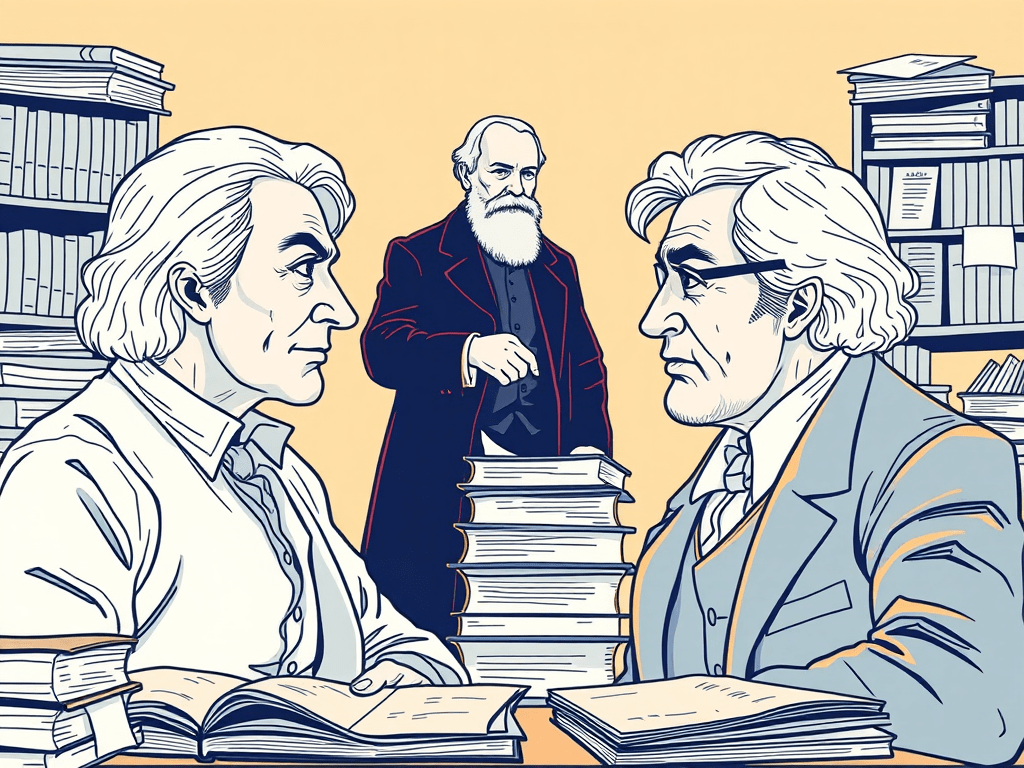
The labor theory of value, historically rooted in the works of Adam Smith and David Ricardo, was fully developed by Karl Marx. He argued that labor is the sole source of value and highlighted the exploitation inherent in capitalism through surplus value extraction. Marx’s critique remains significant amid modern economic inequalities and labor conditions.
-

The post critiques modern economic disparities, emphasizing Karl Marx’s Labor Theory of Value. It argues that all economic value stems from human labor, which is exploited under capitalism, allowing owners and shareholders to amass wealth while workers are undercompensated. The text calls for a recognition of this injustice and a potential revolutionary change.
-

Alan Woods, a British Marxist theorist born in 1944 in Wales, engaged in socialist politics from a young age. After studying Russian, he participated in Spain’s anti-Franco movement and co-founded the International Marxist Tendency in 1992. An advocate for the Bolivarian Revolution, he has published extensively on Marxism and related fields.
-
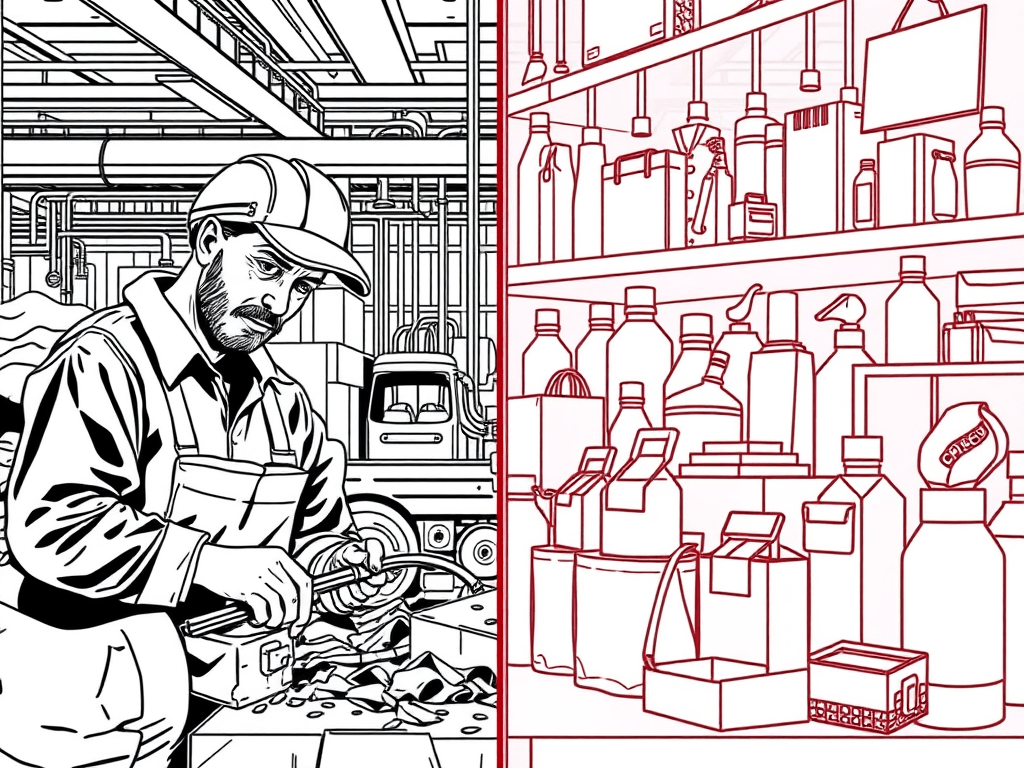
Marxist economics defines a commodity as an object of human labor, entangled in market logic. It features a dichotomy of use-value and exchange-value, leading to alienation of workers from their products. Marx critiques commodity fetishism, revealing how labor exploitation is concealed, transforming social relations into transactions, and emphasizing capitalism’s inherent inequality and potential for change.
-

Vladimir Lenin’s Imperialism, the Highest Stage of Capitalism is a crucial critique of capitalist expansion, analyzing its economic and political implications. Written during World War I, it explores the shift from competitive to monopoly capitalism, addressing issues like global inequality and imperialist policies. Lenin’s insights remain relevant in discussions of corporate power and neocolonialism today.
-

Slavoj Žižek, born in 1949, is a Slovenian philosopher and cultural critic known for his analyses of culture, politics, and psychoanalysis, merging Marxism with Lacanian theory. His works critique ideology and capitalism, with significant contributions to critical theory and political philosophy. He remains influential in academia and public discourse.
-
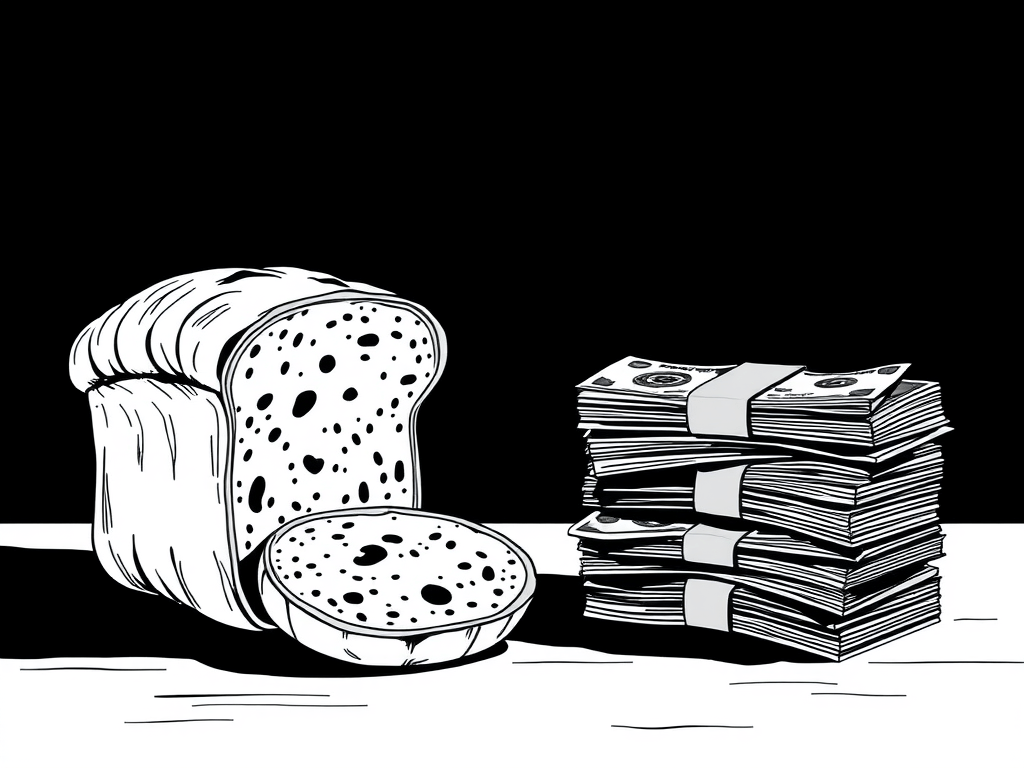
The post critiques the common dismissal of Karl Marx’s ideas as outdated, emphasizing the relevance of his analysis on capitalism’s distinction between use-value and exchange-value. It argues that capitalism prioritizes profit over human needs, leading to absurdities such as produced goods not serving necessity. Ultimately, it calls for a more honest discussion about the nature…
-

Karl Marx’s “Wage-Labour and Capital” and “Value, Price, and Profit” are vital texts exploring capitalist economies. They analyze the relationships between labor, value, wages, and profit. The works highlight labor’s commodification, surplus value, and exploitation. Together, they offer essential insights into political economy and ongoing class struggles within capitalism.
-
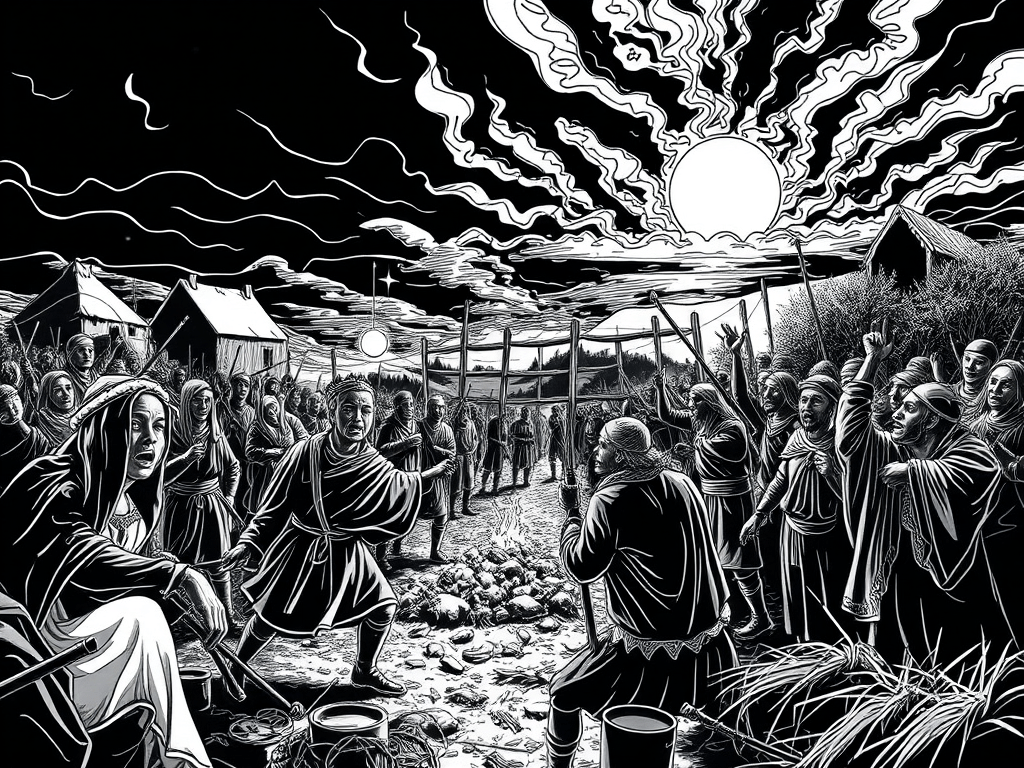
Karl Marx’s concept of primitive accumulation exposes capitalism’s origins rooted in violence and theft, contrary to the myth of hard work and virtue. This theory highlights the processes of dispossession that created the modern proletariat and critiques how historical injustices continue to impact contemporary economic disparities and power dynamics.
 Letters from Tomis