Marxism
-

My Socialist Hall of Fame During this chaotic era of vile rhetoric and manipulative tactics from our so-called bourgeois leaders, I am invigorated by the opportunity to reflect on Socialists, Revolutionaries, Philosophers, Guerrilla Leaders, Partisans, and Critical Theory titans, champions, and martyrs who paved the way for us—my own audacious “Socialism’s Hall of Fame.” These…
-
In A Spectre, Haunting, China Miéville critically engages with The Communist Manifesto, viewing it as a vital text for contemporary radical thought. He employs rhetorical analysis and historical context, arguing for its relevance today. However, his work has limitations, such as superficial treatment of certain issues and a lack of clear post-capitalist proposals.
-

Gerald Allan Cohen (1941–2009) was a key political philosopher, known for reconciling Marxism with analytic philosophy. His works addressed historical materialism, justice, and egalitarianism, challenging libertarian and liberal theories. Cohen’s legacy influences contemporary debates on socialist justice, sustainability of inequality, and moral philosophy, emphasizing ethical commitment to equality.
-
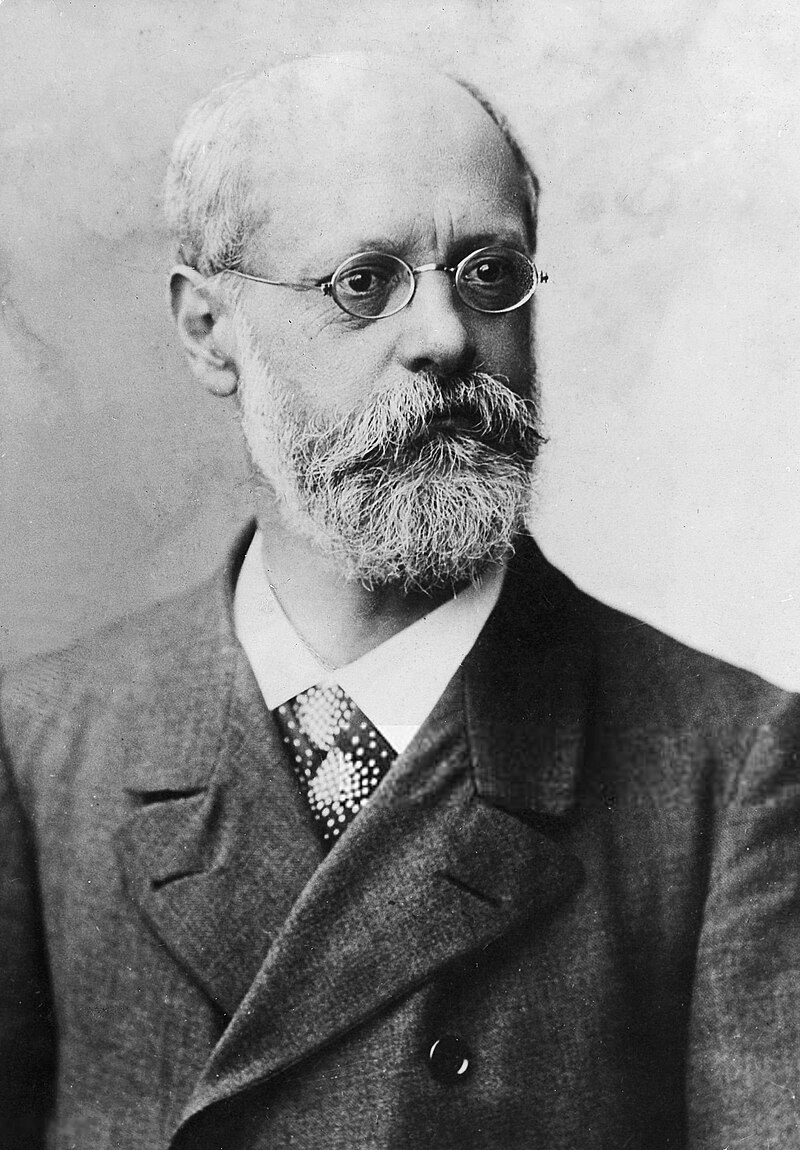
Karl Kautsky (1854–1938) was a pivotal figure in Second International Marxism, shaping orthodox Marxism during a transformative era. He engaged in debates about revolution and reform, criticized Bolshevik methods post-1917, and advocated for democratic socialism. His legacy reflects both the strengths and limitations of Marxist theory amid evolving socialist movements.
-
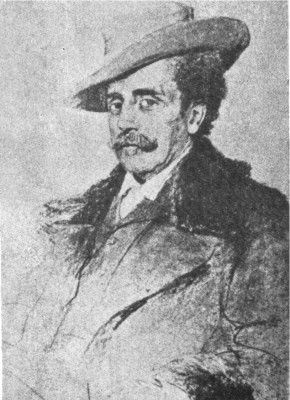
Antonio Labriola emerged as a pivotal figure in Italian Marxism, advocating for historical materialism as a critical method rather than a doctrine. His intellectual independence influenced both Benedetto Croce and Antonio Gramsci, emphasizing praxis and collective human activity. Labriola’s works reshaped socialism, linking theory with political education amid Italy’s socio-political turmoil.
-

Alan Woods’ Marxism and Anarchism is a provocative anthology analyzing the historical divide between Marxism and anarchism. It critiques anarchist strategies while advocating for a Marxist approach that emphasizes organization, class struggle, and the necessity of building workers’ power. Relevant and accessible, it serves educators and militants navigating revolutionary theory.
-
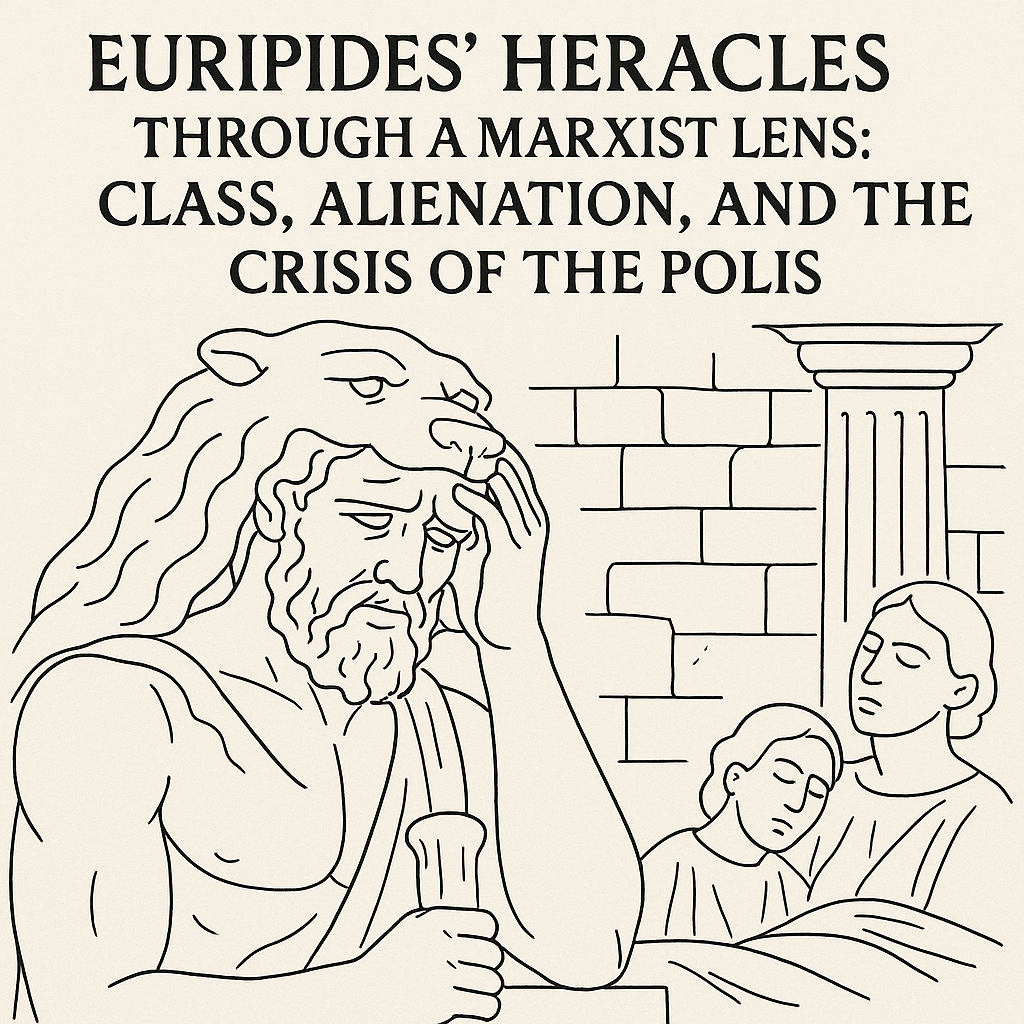
Euripides’ Heracles reveals the decay of a society sustained by conquest and patriarchy. Through a Marxist lens, the hero’s madness becomes the mirror of class alienation—his strength exploited, his humanity destroyed. The tragedy exposes not divine will, but the self-destruction of a world built upon labor, domination, and ideological illusion.
-
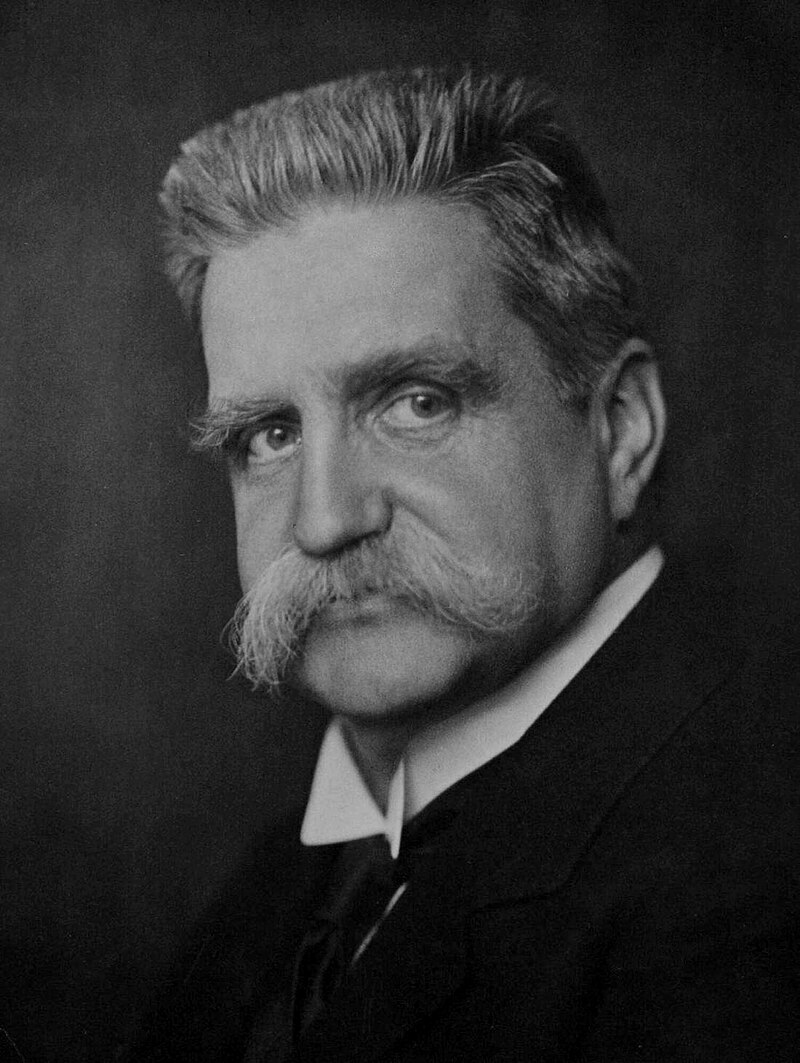
Karl Hjalmar Branting was a key figure in Swedish socialism, transforming Sweden into a social democracy as its first Social Democratic Prime Minister. Advocating for gradual reform instead of revolution, he implemented progressive policies and universal suffrage. His legacy as an architect of democratic socialism significantly influenced European political landscapes.
-

Erich Fromm was a German social psychologist and philosopher who shaped 20th-century thought by integrating psychology and Marxism. His work highlighted individual alienation in capitalism and advocated for humanistic socialism and ethics of love. Fromm’s influential writings explored freedom, love, and the social character, leaving a lasting impact across multiple disciplines.
-
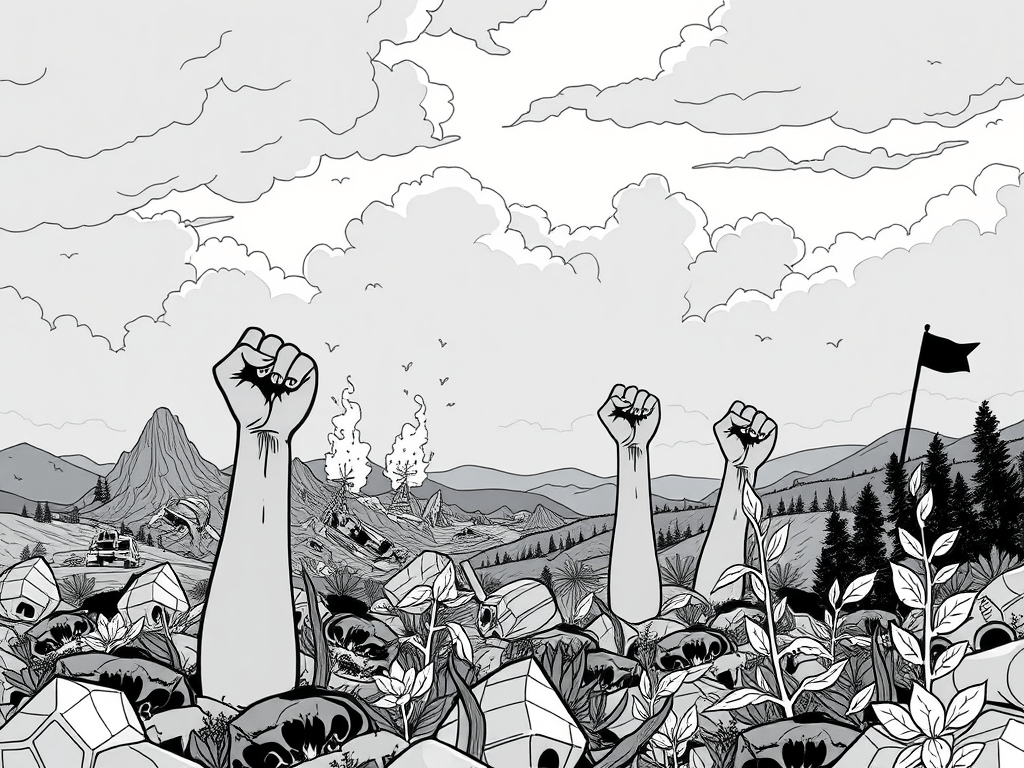
Wen Stephenson’s collection examines the intersection of ecological breakdown and revolutionary politics, rejecting optimism for a more robust “resolve.” The essays critique climate crises as outcomes of capitalism, emphasizing organization and solidarity. While addressing limits in organizational strategies and labor transitions, the work serves as a vital intervention in U.S. climate discourse.
 Letters from Tomis