Literature
-

The Torrents of Spring by Turgenev explores themes of belatedness and self-betrayal through middle-aged Dmitry Sanin, who reflects on his ill-fated love life. The novella examines moral collapse under erotic influence, while addressing class and national identities, culminating in a poignant study of memory and the complexities of adult obligation.
-

Upton Sinclair (1878–1968) was a prominent American novelist and social activist known for his work, particularly The Jungle, which exposed industrial capitalism’s social injustices. His literary career, marked by nearly 100 books, demonstrated his commitment to socialism and social reform, profoundly influencing American public opinion on labor and class issues during the early 20th century.
-

Émile Zola’s Money explores finance capitalism and moral decay during the Second Empire through the character Aristide Saccard. While offering insights into 19th-century capitalism and financial mechanisms, the novel suffers from narrative redundancy and lack of psychological depth. It serves as a significant study of Zola’s naturalism but lacks enduring aesthetic power.
-
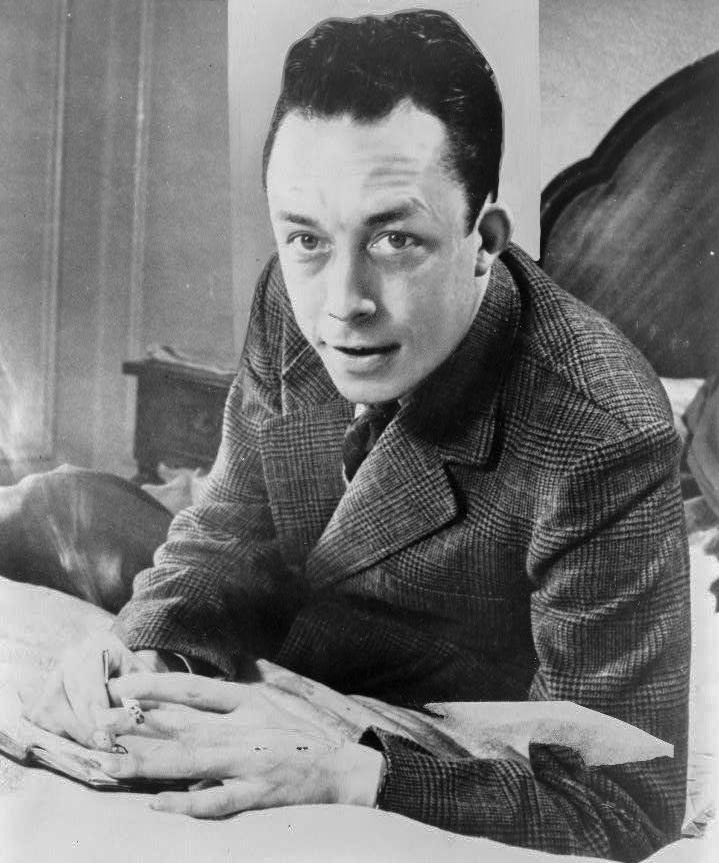
Albert Camus was born in Algeria in 1913 and faced poverty after his father’s death in WWI. He excelled in academics and became involved in politics and theater in the 1930s. Key works like “The Stranger” and “The Myth of Sisyphus” reflect his absurdist philosophy. A Nobel laureate, he remains influential for his ethical stance…
-

“Notes from an Island” by Tove Jansson and Tuulikki Pietilä is a minimalist blend of prose and illustrations capturing their life on Klovharun, Finland. The work reflects on solitude, artistry, and nature while maintaining emotional reserve. Its fragmentary style may challenge readers expecting narrative depth, particularly regarding intimacy and broader contexts.
-

Samantha Harvey’s The Western Wind is a historical fiction novel set in 1491, unfolding in reverse over four days. It explores themes of memory, confession, and truth through the unreliable narration of parish priest John Reve. While praised for its lyricism and structure, some criticize its historical inaccuracies.
-

Publius Papinius Statius’s Achilleid, an unfinished first-century Latin epic, offers a unique portrayal of Achilles that blends humor, irony, and themes of gender fluidity. Through vivid episodes of his youth and complex maternal dynamics, the work challenges traditional heroism. Despite its incomplete status, it presents rich insights into identity and societal expectations.
-

Richard Ford’s “Let Me Be Frank With You” is a profound exploration of aging and human fragility through the life of Frank Bascombe. Set in post-Hurricane Sandy New Jersey, the four interconnected novellas balance dry humor and deep introspection, offering an intimate portrait of Frank as he contemplates his existence with clarity and emotional depth.
-

Clifford Irving’s FAKE! explores the life of notorious art forger Elmyr de Hory, combining investigative journalism with engaging storytelling. The book delves into forgery techniques, psychological motivations, and the art world’s susceptibility to deception. Rich in detail and dark humor, it’s a captivating read for art lovers and true crime fans alike.
-

Samantha Harvey’s novel “Orbital” explores personal journeys within a cosmic setting but struggles with execution. The lyrical prose often overshadows emotional depth, leaving characters feeling underdeveloped. While it touches on themes of isolation and connection, the uneven pacing and repetitive introspection ultimately detract from the narrative’s impact.
 Letters from Tomis