Literature
-
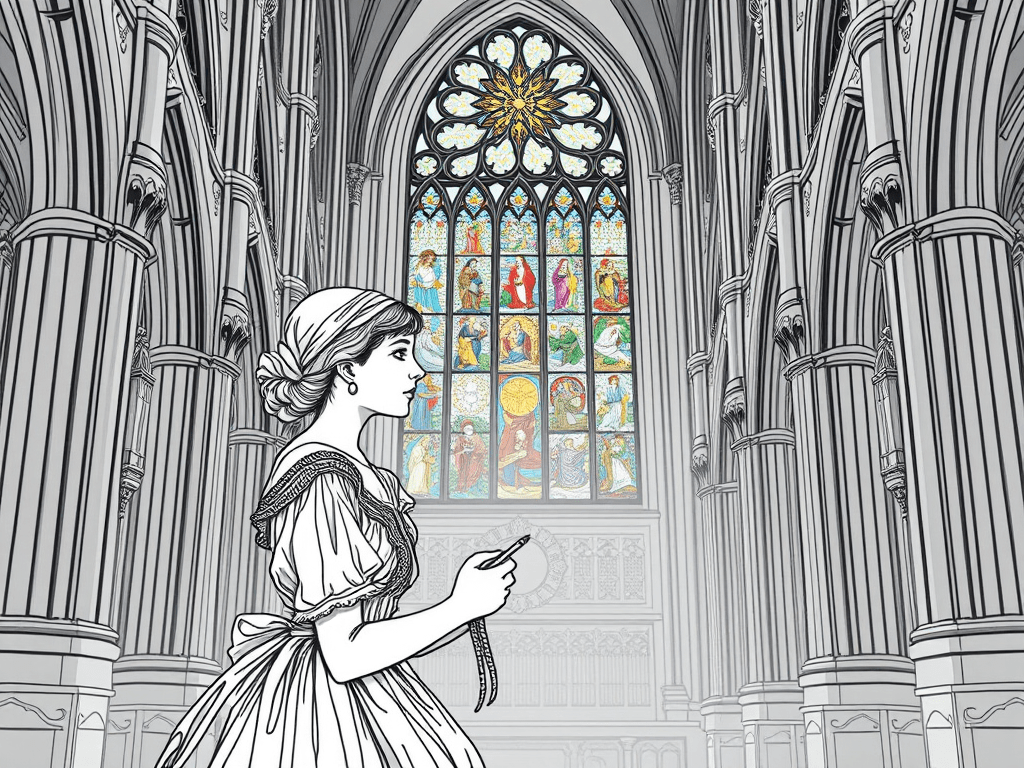
Émile Zola’s Le Rêve intricately balances naturalism, sentimentality, and religious idealism within the Rougon-Macquart cycle. Centered on Angélique and Félicien’s tragic love, it critiques patriarchal control and reveals determinism’s grip on dreams and desires. Ultimately, the novel explores the tension between scientific observation and spiritual transcendence, embodying a haunting complexity of human experience.
-

Ian W. Toll’s “Pacific Crucible” offers an analytical narrative of the Pacific War’s early stages, from Pearl Harbor to Midway. It successfully combines operational history, biography, and political economy, focusing on decision-making amidst uncertainty. While some global perspectives are underexplored, it remains an essential and accessible synthesis for both scholars and students.
-
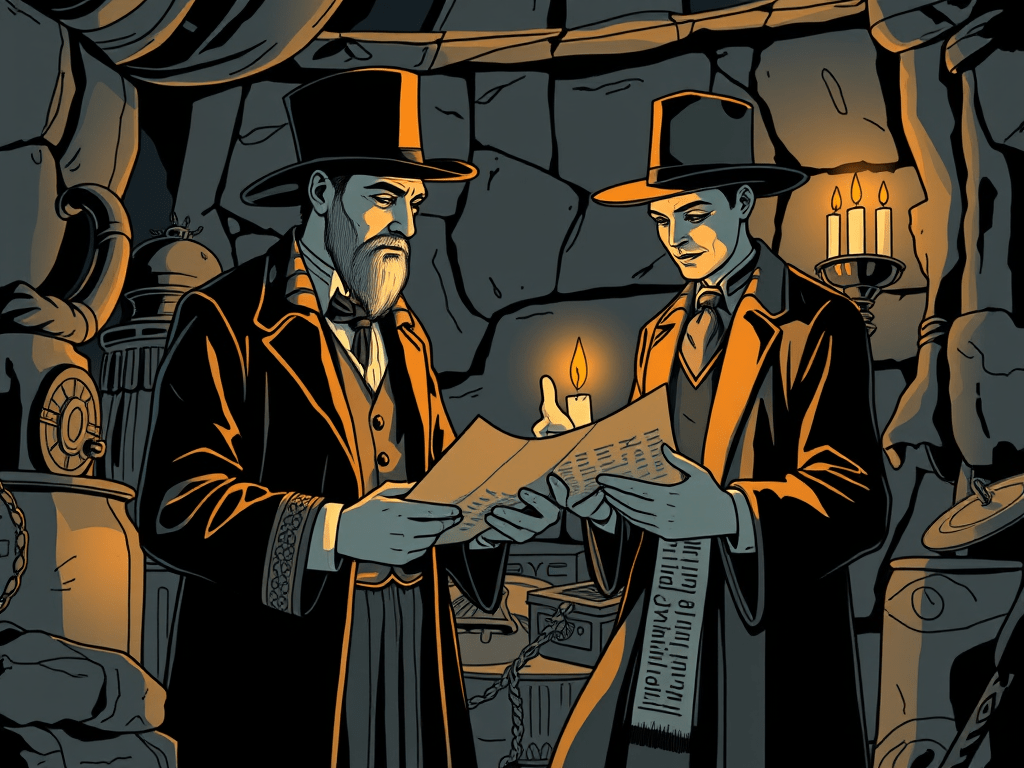
Tony Harrison’s The Trackers of Oxyrhynchus interweaves fragments of a lost Sophocles play with modern narratives, exploring themes of high and low art and social class. Through rhyming couplets and satyr-play structure, it critiques cultural elitism while confronting accessibility issues. The work remains relevant in discussions of class and cultural representation.
-

Dino Buzzati’s The Stronghold, newly translated by Lawrence Venuti, presents an allegorical critique of militarism and authoritarianism through the character of Giovanni Drogo, whose life exemplifies passive waiting. This translation emphasizes the political undercurrents of Buzzati’s narrative, provoking revolutionary interpretations of alienation, hierarchy, and systemic power.
-
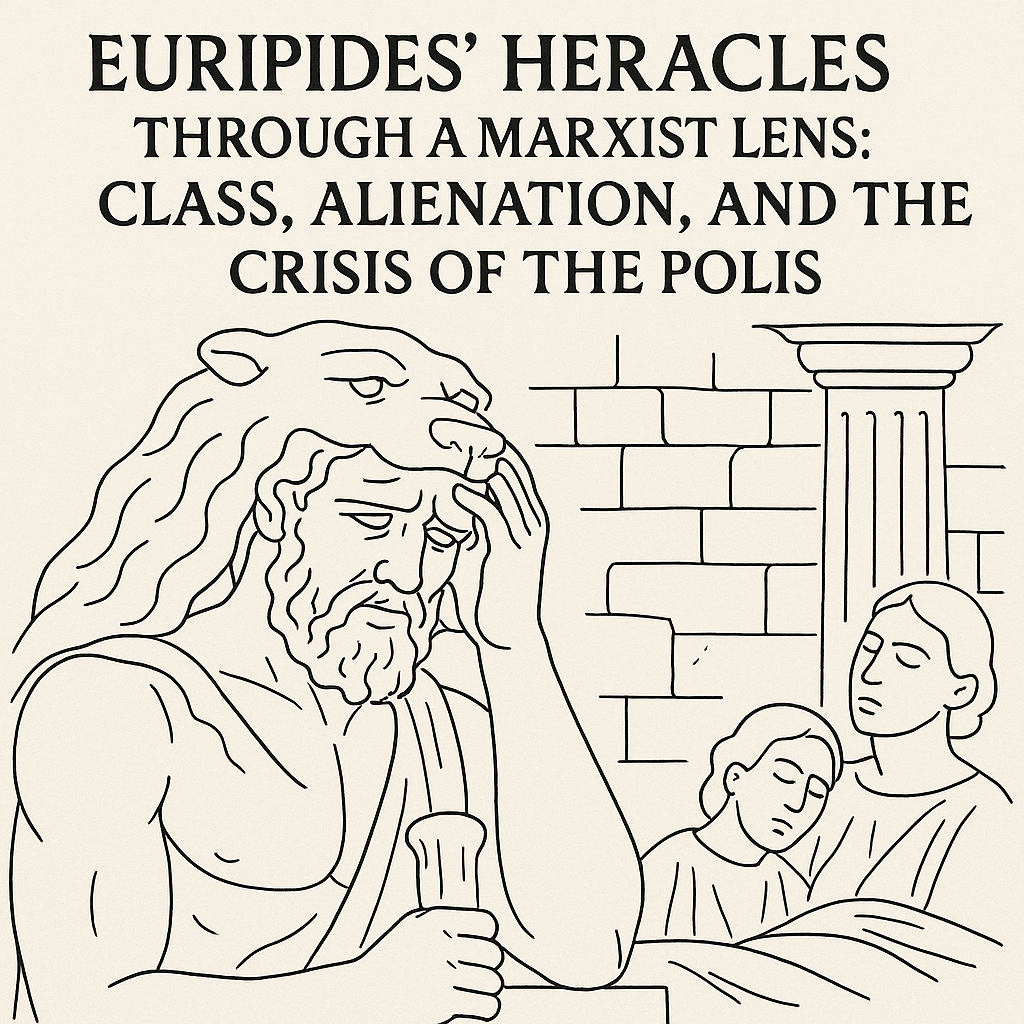
Euripides’ Heracles reveals the decay of a society sustained by conquest and patriarchy. Through a Marxist lens, the hero’s madness becomes the mirror of class alienation—his strength exploited, his humanity destroyed. The tragedy exposes not divine will, but the self-destruction of a world built upon labor, domination, and ideological illusion.
-
Bryan Magee’s The Philosophy of Schopenhauer is a comprehensive and clear study of Schopenhauer’s thought, emphasizing his influence on Western philosophy. Magee adeptly contextualizes Schopenhauer’s ideas while making complex concepts accessible. The work’s interdisciplinary relevance and critical engagement with Schopenhauer’s limitations make it an essential read for scholars and students alike.
-

Ben Shattuck’s The History of Sound: Stories is a collection of twelve interconnected tales set in New England, exploring themes of memory, loss, and identity across three centuries. Utilizing a unique couplet structure, the narratives intertwine personal and historical artifacts, creating a layered exploration of how the past shapes present realities.
-

Aristotle’s Poetics is a cornerstone of literary theory exploring tragedy and aesthetics, yet it reflects the ideological biases of ancient Athenian society. From a Marxist view, it reinforces class hierarchies and serves conservative functions in art, necessitating historical materialist reinterpretation to understand underlying socio-economic conditions influencing artistic production.
-
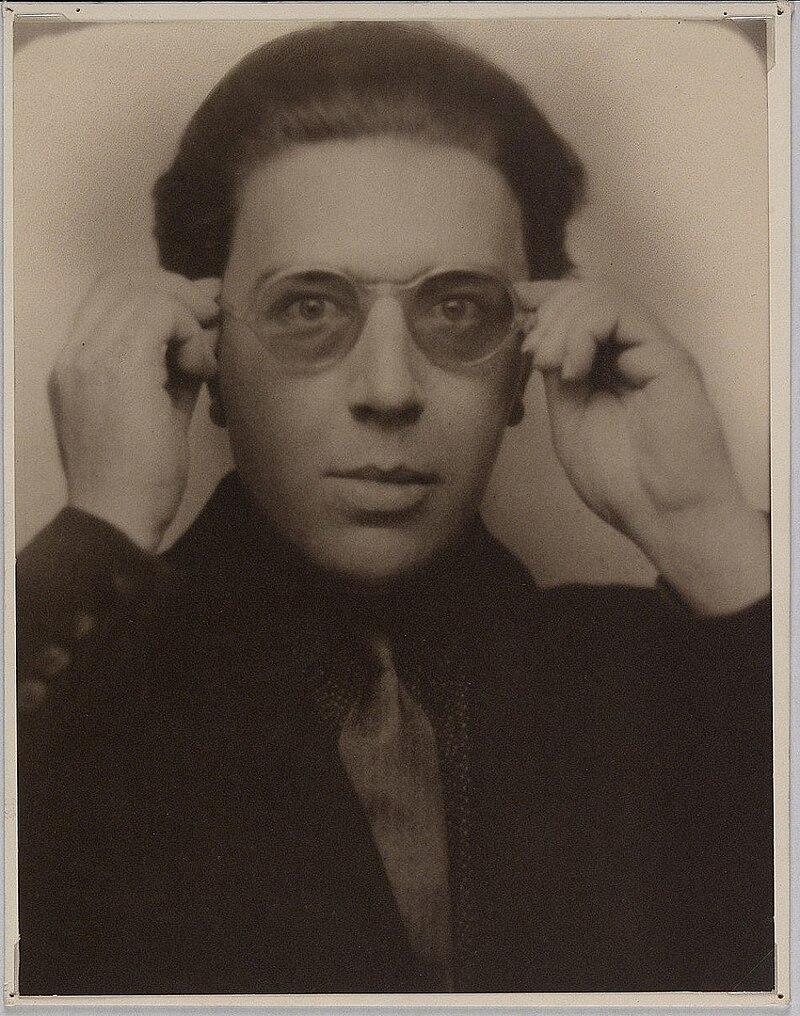
André Breton’s Nadja, a key Surrealist work, intertwines memoir and novel, exploring themes of alienation, desire, and bourgeois rationalism through the character of Nadja. Mark Polizzotti’s translation preserves the text’s complexity, highlighting its paradoxes. The narrative critiques capitalist culture while exposing gendered contradictions in artistic liberation, making it vital for Marxist discourse.
-

Samuel Beckett’s “Waiting for Godot,” published by Grove Press in 1954, exemplifies the “Theatre of the Absurd.” Its minimalist structure and circular dialogue challenge conventional interpretations, reflecting existential and political themes. The edition highlights Beckett’s linguistic precision and openness, rewarding deep study, yet its ambiguity can frustrate those seeking clearer meanings.
 Letters from Tomis