Lenin
-
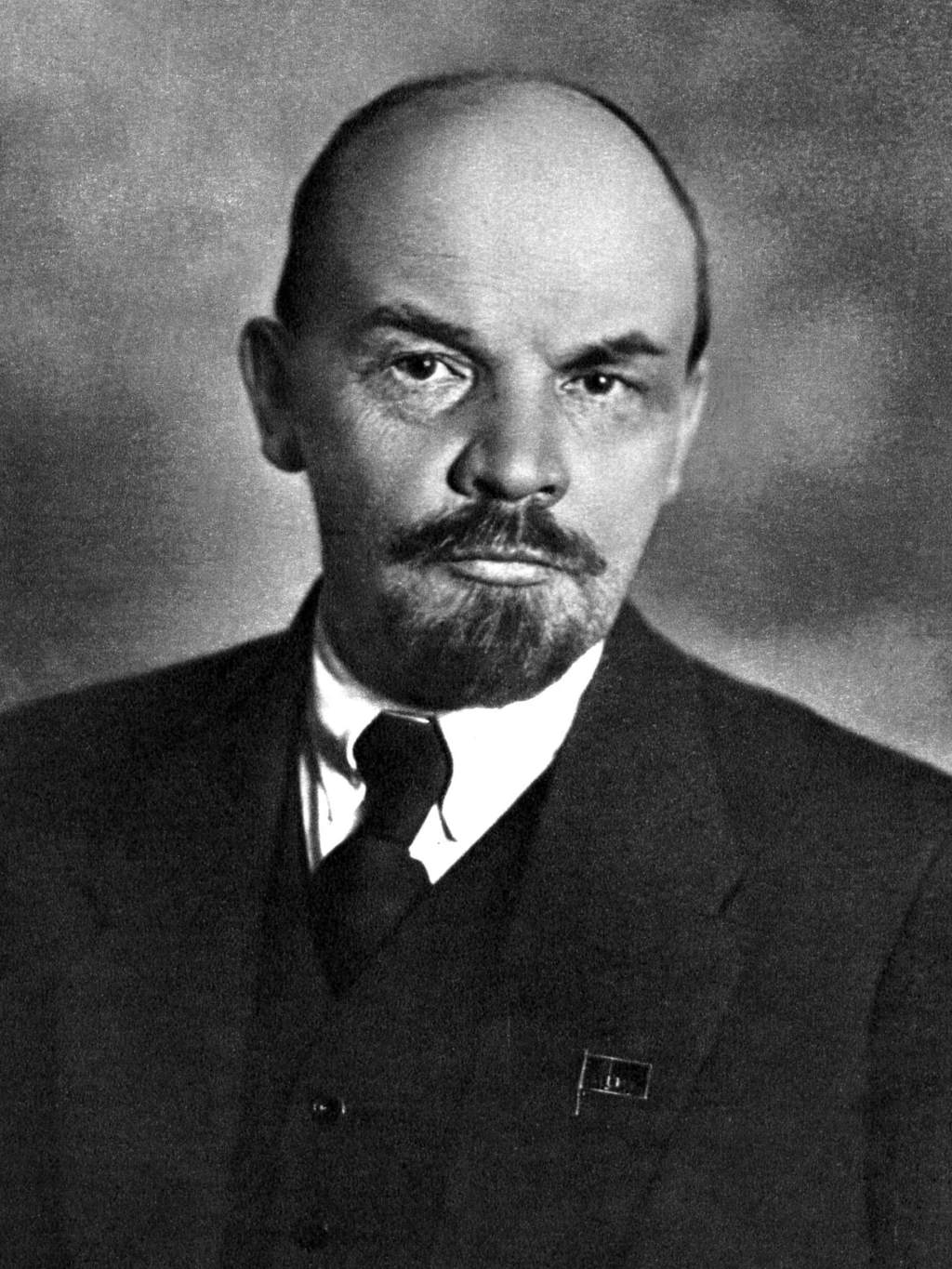
Vladimir Lenin’s “Left-Wing Communism: An Infantile Disorder” critiques sectarianism and ultraleftism within revolutionary movements post-October Revolution. It emphasizes the necessity for tactical flexibility, engagement with existing institutions, and a dialectical relationship between the party and the masses. The work remains relevant for contemporary revolutionary practice and promotes disciplined, organized engagement in the struggle against capitalism.
-
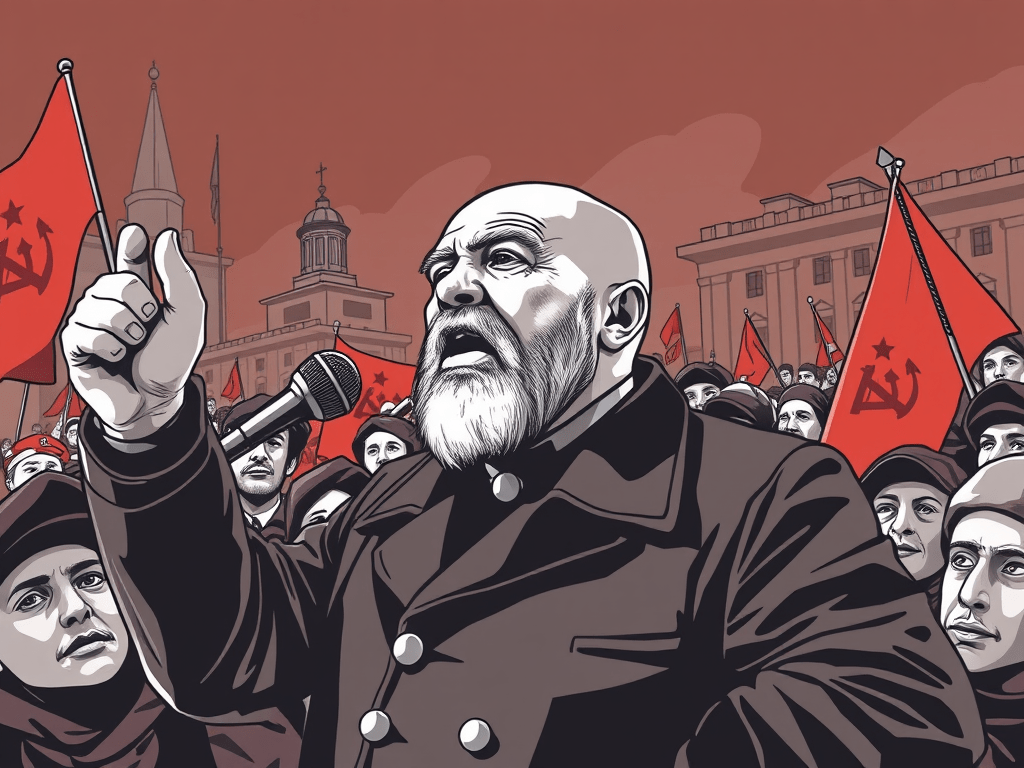
Vladimir Lenin’s State and Revolution is a pivotal Marxist text that critiques reformist approaches and emphasizes the necessity of a proletarian state to dismantle bourgeois power. Written in 1917, it combines theoretical rigor and revolutionary strategy, offering insights for contemporary struggles against inequality and capitalist frameworks, retaining its significance over time.
-

Marxist theorists Lenin, Gramsci, and Luxemburg offered varied analyses of the state’s role in class societies. Lenin emphasized coercion and the necessity of a proletarian state, Gramsci focused on hegemony and ideological consent, while Luxemburg insisted on mass democracy. Despite differences, all agreed on revolution’s necessity to transcend class oppression.
-

Lenin’s “Testament” warned against Stalin, advocating his removal as General Secretary, yet it was suppressed by Stalin and allies like Zinoviev and Kamenev. Disunity among Lenin’s potential successors, internal divisions, and Stalin’s control over party machinery enabled him to consolidate power, ultimately silencing his rivals and becoming the Soviet leader.
-
Lenin’s “Testament” warned against Stalin, advocating his removal as General Secretary, yet it was suppressed by Stalin and allies like Zinoviev and Kamenev. Disunity among Lenin’s potential successors, internal divisions, and Stalin’s control over party machinery enabled him to consolidate power, ultimately silencing his rivals and becoming the Soviet leader.
 Letters from Tomis