Lectures
-
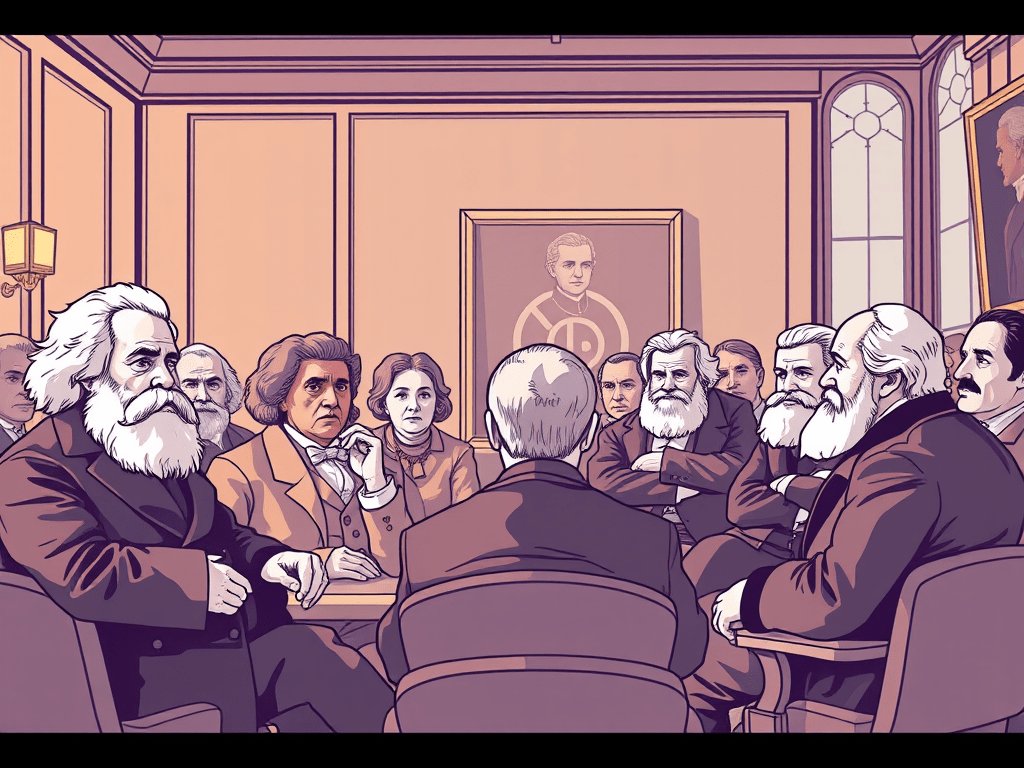
This lecture explores the origins of the socialist movement, focusing on its historical context following the Industrial Revolution. It examines key figures, ideological diversity, and the role of the First International, highlighting its impact on labor movements, class struggles, and shaping modern socialist ideologies, while addressing internal conflicts and legacy.
-
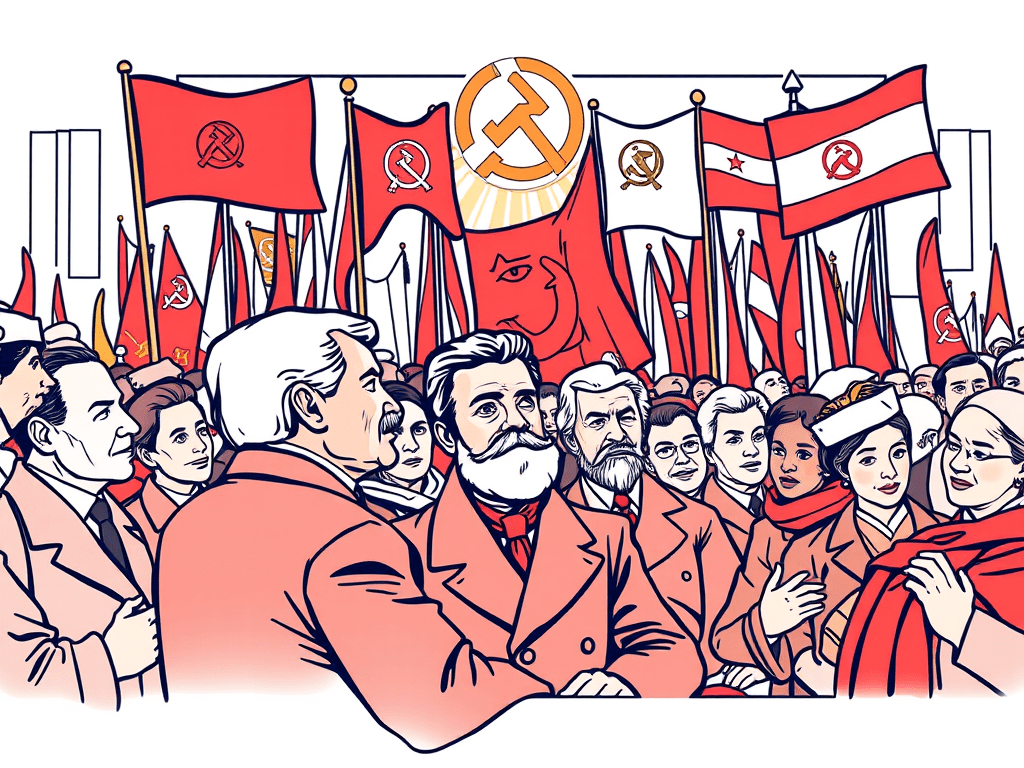
The Second International (1889–1916) coordinated socialist and labor movements globally, advocating for workers’ rights and international solidarity. Key achievements included promoting the eight-hour workday and women’s rights. However, ideological conflicts and the support for World War I led to its decline, giving rise to successor organizations like the Comintern and Socialist International.
-
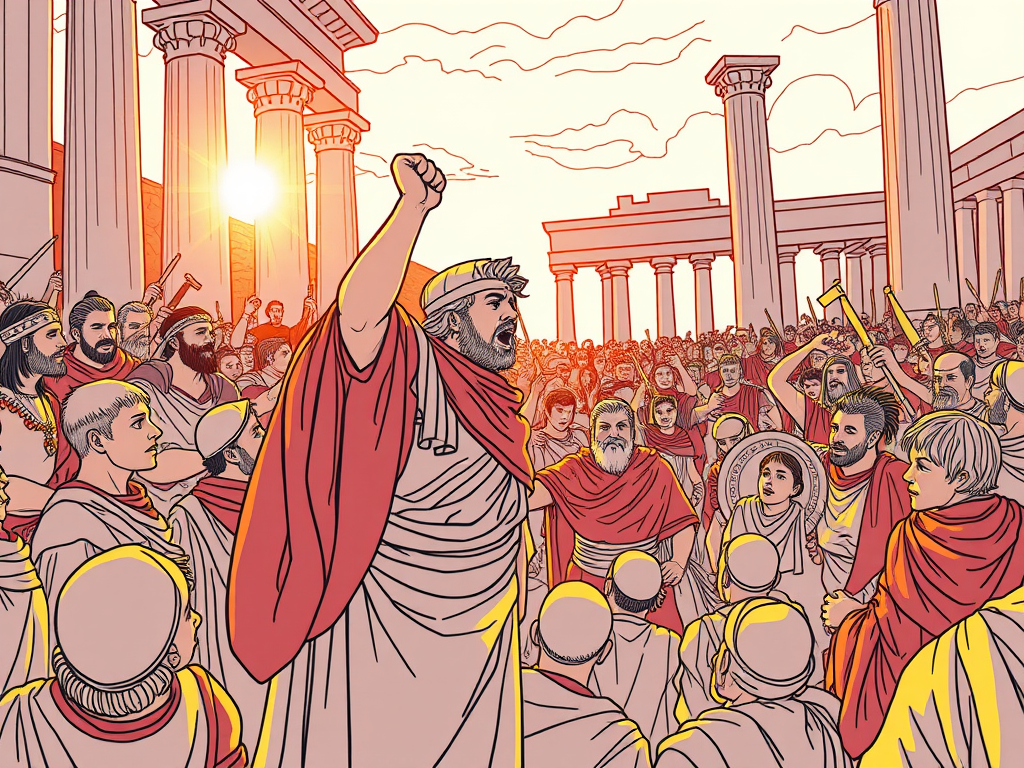
The Roman Republic (509–27 BC) experienced significant social revolutions, characterized by struggles for political equality among classes, notably the plebeians. Key events included the struggle of the orders, Gracchan reforms, the Social War, and slave revolts, which ultimately culminated in the transition to an imperial power structure under Augustus.
-
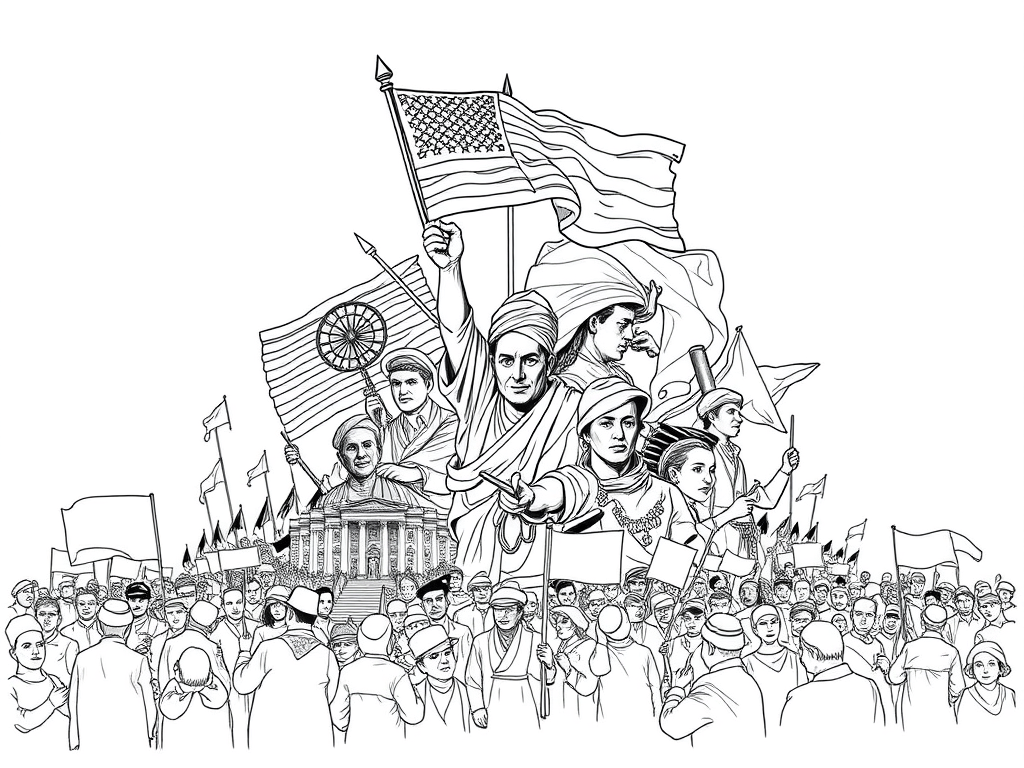
This lecture addresses the significance of social revolutions throughout history, highlighting their causes, key examples, and impacts. It defines social revolutions as rapid societal transformations driven by dissatisfaction and mass mobilization. Key examples include the English, American, French, and Russian revolutions, illustrating diverse paths and consequences across centuries.
 Letters from Tomis