Karl Marx
-
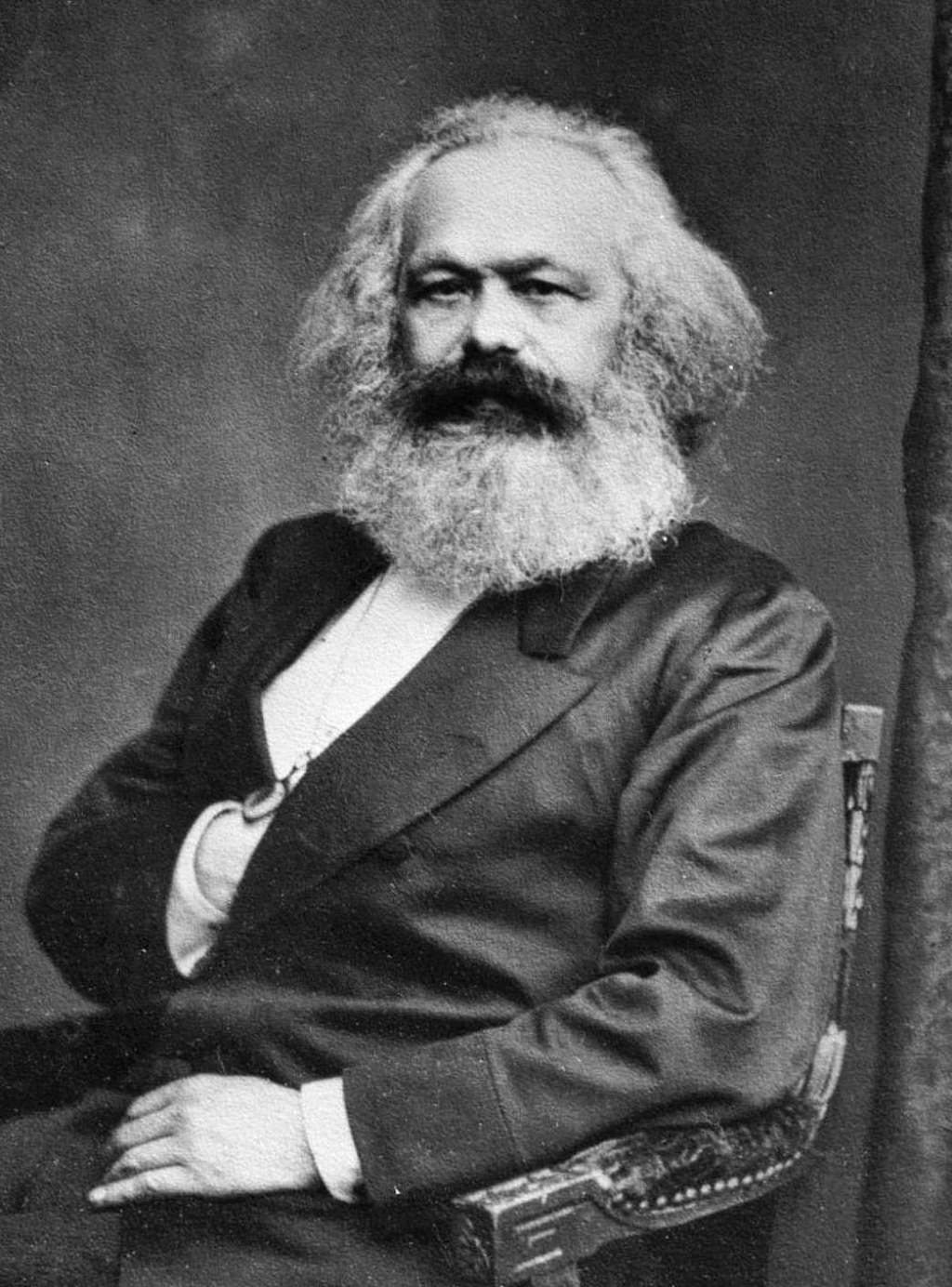
Karl Marx’s The Civil War in France analyzes the Paris Commune of 1871, defending the Communards while extracting broader lessons about revolutionary governance. Examining the limits of existing state apparatus, Marx advocates for democratic institutions rooted in workers’ control. This foundational text influences Marxist thought, discussing democracy, class power, and social transformation.
-
“The Civil War in the United States,” edited by Andrew Zimmerman, is a foundational Marxist analysis by Marx and Engels of the American Civil War, emphasizing class struggle. It offers insights into the war’s implications for international working-class movements and cautions against sectarianism, advocating for solidarity and concrete analysis amid bourgeois-democratic struggles.
-

The lecture on “The Communist Manifesto” emphasizes its historical significance and ongoing relevance in contemporary discourse. It explores the text’s insights on capitalism, class struggle, and Marxist theory, alongside a critique of its predictions and enduring themes such as alienation and inequality in today’s global economy.
-
My Socialist Hall of Fame During this chaotic era of vile rhetoric and manipulative tactics from our so-called bourgeois leaders, I am invigorated by the opportunity to reflect on Socialists, Revolutionaries, Philosophers, Guerrilla Leaders, Partisans, and Critical Theory titans, champions, and martyrs who paved the way for us—my own audacious “Socialism’s Hall of Fame.” These…

