History
-
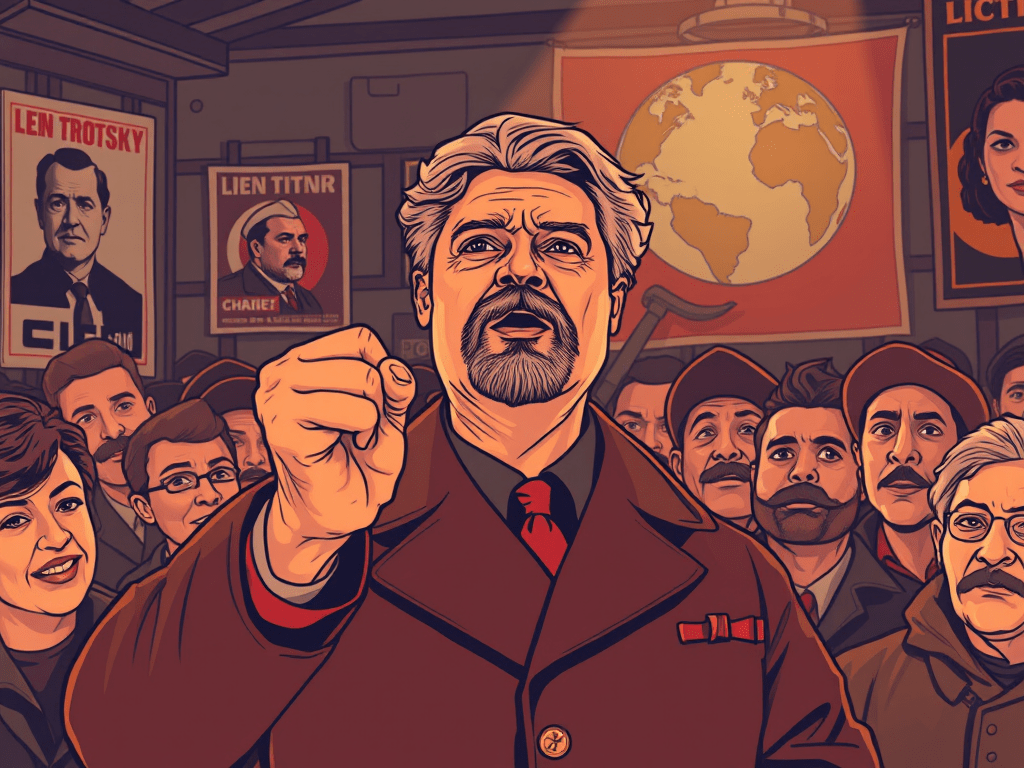
The essay analyzes the rise and fall of the Fourth International, founded by Trotsky in 1938. It argues that post-Trotsky leadership’s sectarianism and bureaucratic methods led to its degeneration. Ted Grant’s faction is highlighted as a true continuation of Trotskyism, advocating for adapting Marxist theory to current conditions and preserving revolutionary integrity.
-

Dee Brown’s landmark work, Bury My Heart at Wounded Knee, details the dispossession and destruction of Native American nations during 19th-century U.S. expansion. Through Indigenous perspectives, it challenges traditional narratives of American history. Despite its limitations in addressing complex tribal dynamics, the book remains essential for understanding Indigenous resistance and U.S. colonial violence.
-

Alfred Rosmer (1877–1964) was a key yet overlooked figure in early 20th-century socialist movements. A French trade unionist and anti-war activist, he evolved from anarcho-syndicalism to Bolshevism and Trotskyism. His legacy includes advocating for workers’ internationalism, historical scholarship, and principled opposition to Stalinism, reflecting essential revolutionary struggles.
-

Book Review Enrigue, Álvaro. You Dream of Empires. Translated by Natasha Wimmer, Riverhead Books, 2024. Álvaro Enrigue’s You Dream of Empires ambitiously sets out to reconstruct the final days of the Aztec empire through a postmodern lens, merging surrealist humor with historical fiction. Yet for all its stylistic flair and intellectual posturing, the novel ultimately…
-
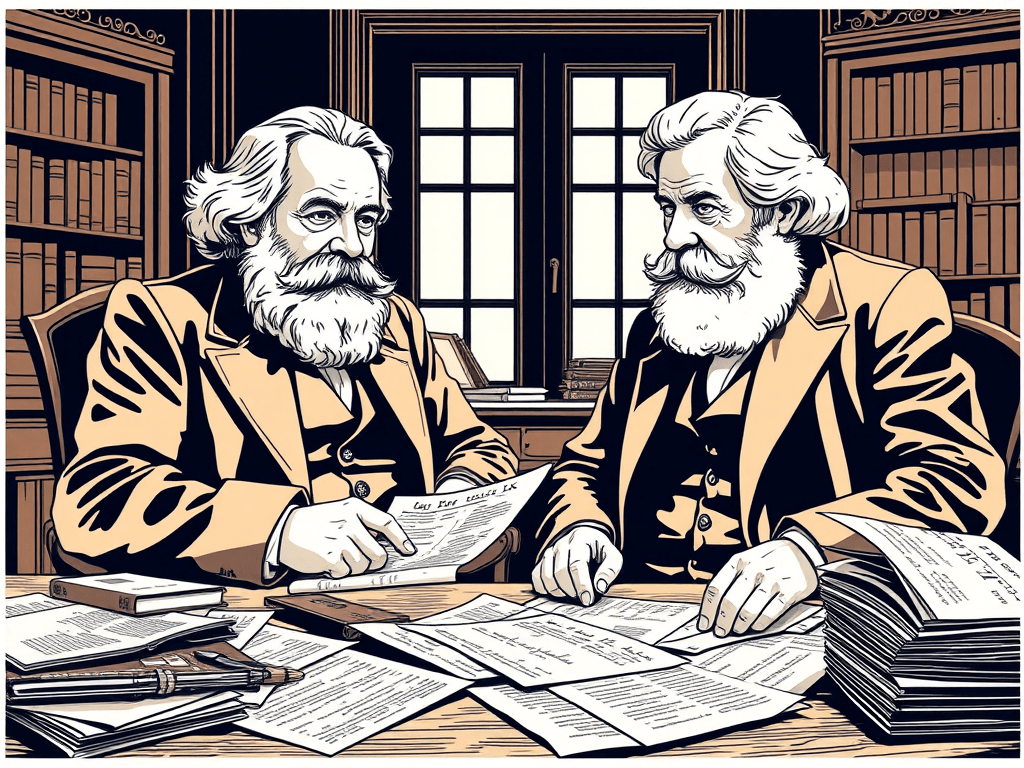
“The Civil War in the United States,” edited by Andrew Zimmerman, is a foundational Marxist analysis by Marx and Engels of the American Civil War, emphasizing class struggle. It offers insights into the war’s implications for international working-class movements and cautions against sectarianism, advocating for solidarity and concrete analysis amid bourgeois-democratic struggles.
-

Cedric James Robinson (1940–2016) was a pivotal political theorist and scholar whose work transformed the study of race, capitalism, and political thought. Notable for developing Black Marxism and the Black Radical Tradition, his contributions challenged Eurocentric narratives, emphasizing African cultural epistemologies and the intertwined nature of racial and economic oppression.
-

Howard Zinn, born in 1922 to immigrant parents, became a prominent historian and activist after experiencing poverty and injustice. He taught at Spelman College and Boston University, focusing on civil rights and antiwar movements. His influential book, A People’s History of the United States, reshaped historical perspectives, emphasizing marginalized voices. Zinn’s legacy endures through ongoing…
-
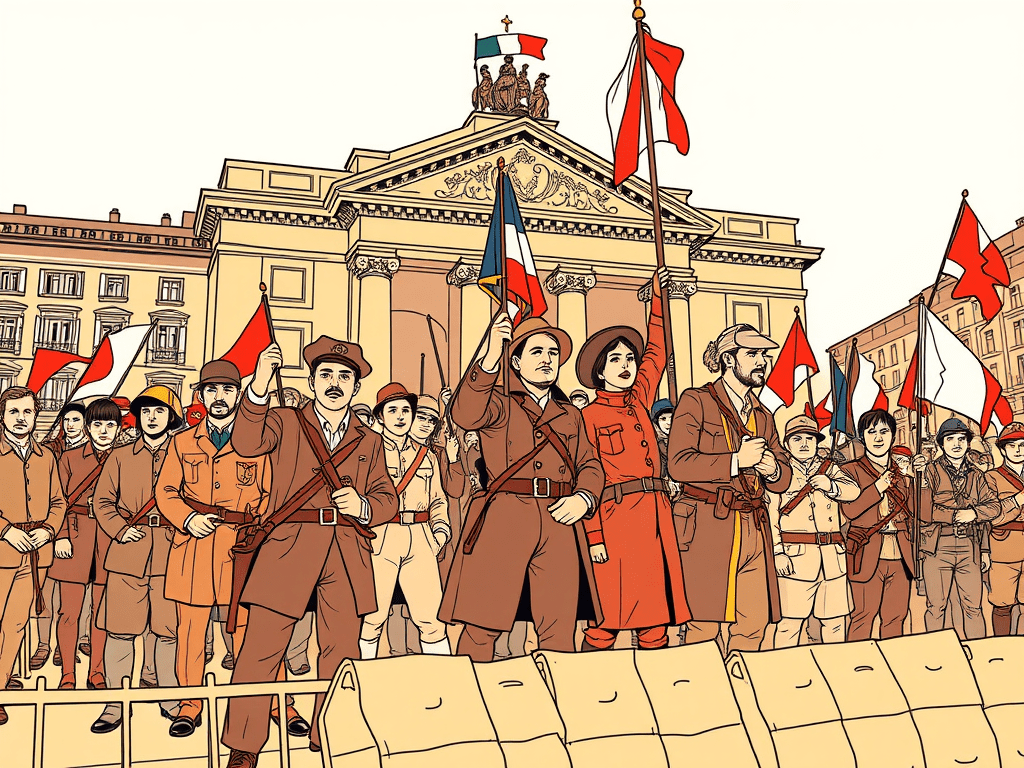
The Paris Commune of 1871 was a pivotal workers’ uprising that resulted in a revolutionary government led by laborers and radicals. Lasting only two months, it implemented radical reforms like council democracy and social welfare. Although brutally suppressed, its legacy continues to inspire socialist movements, illustrating the potential for proletarian self-governance and revolutionary action.
-
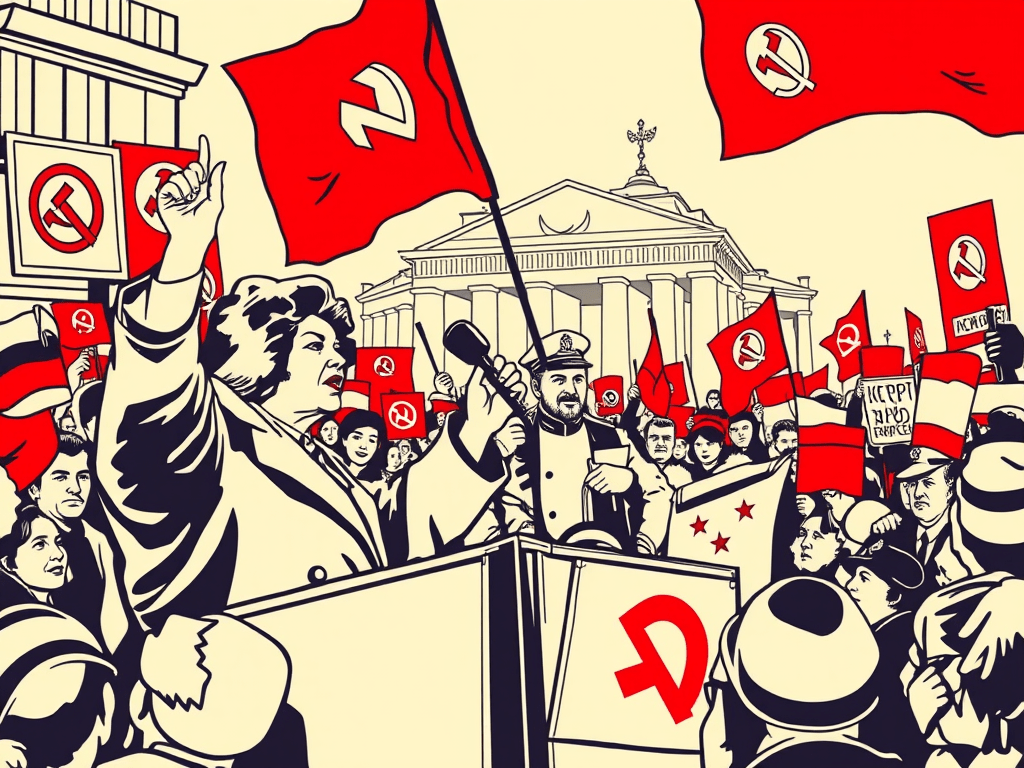
The German Communist Party (KPD) was founded in 1918, evolving through revolutionary turmoil and ideological shifts, primarily influenced by Luxemburgism and Marxism-Leninism. It ultimately faced repression under the Nazis and later transformed into the Socialist Unity Party in East Germany, while being banned in West Germany. The KPD’s complex legacy reflects its commitment to socialism,…
-

Josip Broz Tito (1892–1980) was a pivotal figure in 20th-century socialism, renowned for leading Partisan resistance during WWII and founding socialist Yugoslavia. His legacy includes promoting workers’ self-management, advocating cultural pluralism, and establishing the Non-Aligned Movement, embodying a non-dogmatic approach to socialism that emphasized independence and international solidarity.
 Letters from Tomis