History
-
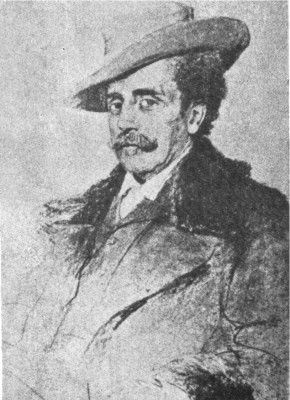
Antonio Labriola emerged as a pivotal figure in Italian Marxism, advocating for historical materialism as a critical method rather than a doctrine. His intellectual independence influenced both Benedetto Croce and Antonio Gramsci, emphasizing praxis and collective human activity. Labriola’s works reshaped socialism, linking theory with political education amid Italy’s socio-political turmoil.
-

Rob Sewell’s “Germany: From Revolution to Counter-Revolution” offers a concise, politically engaged retelling of the German revolutionary period, emphasizing leadership and mass agency. While it lacks original archival research and simplifies complex narratives, it effectively serves as an accessible pedagogical tool for revolutionary students and activists, stimulating critical reflection on historical events.
-
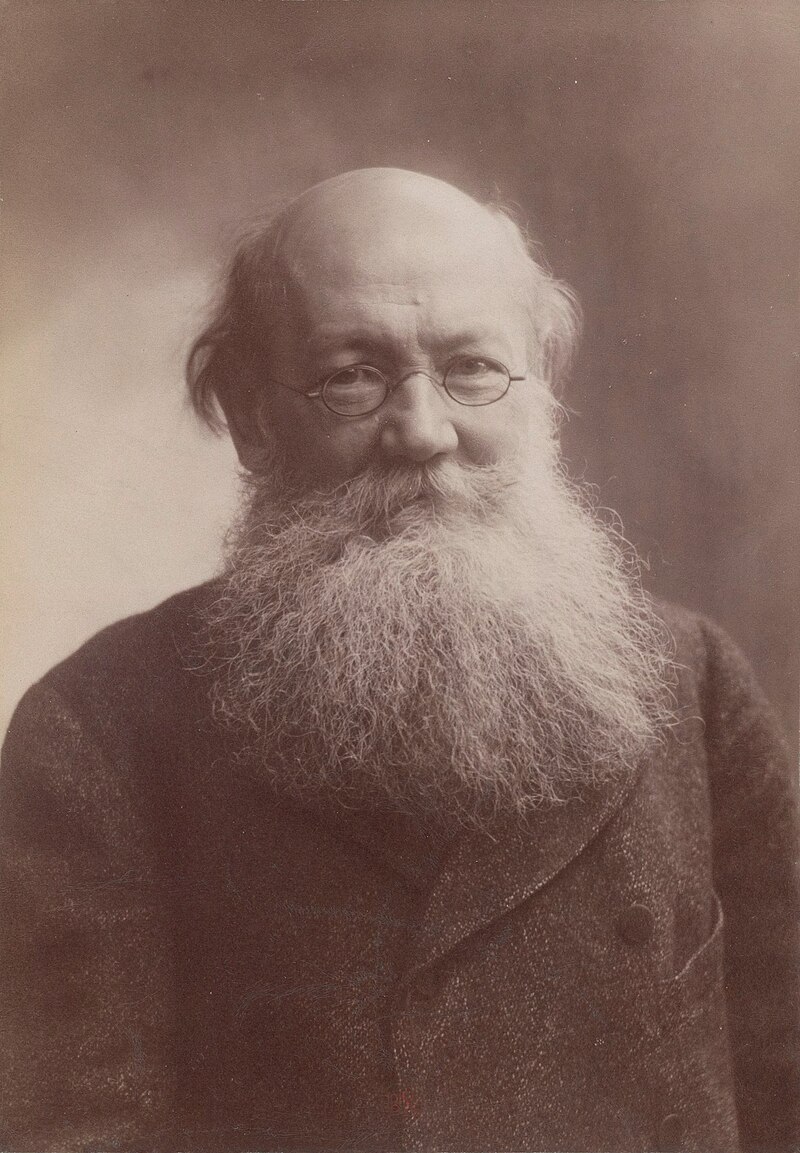
Prince Pyotr Kropotkin (1842–1921) was a significant revolutionary thinker and anarchist communist. A nobleman turned revolutionary, he synthesized Enlightenment thought and Darwinian science, advocating decentralized cooperation through works like Mutual Aid. After the 1917 Russian Revolution, he criticized Bolshevik centralization, leaving a legacy of ethical socialism and communalism.
-
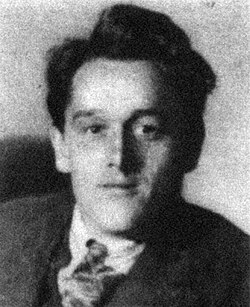
Willi Münzenberg (1889–1940) was a significant figure in early international communism, known for transforming propaganda into a mass persuasion tool. He organized efforts for the Communist International, blending media with ideology. His eventual disillusionment with Stalinism led to a political split and exile, culminating in his mysterious death. His legacy remains influential in political communication…
-
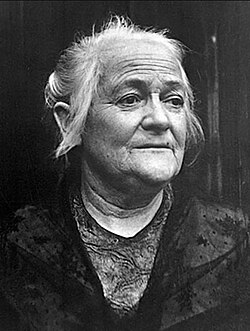
Klara Zetkin (1857–1933) was a revolutionary Marxist and feminist theorist, central to the socialist women’s movement. Advocating the link between class and gender oppression, she founded International Women’s Day and actively opposed war and fascism. Her legacy influences contemporary Marxist-feminist thought and gender-labor debates within socialism.
-

Sebastian Smee’s Paris in Ruins explores the cultural history of post-Franco-Prussian War Paris, highlighting the interplay of art, politics, and memory. While emphasizing aesthetic dimensions, it occasionally overlooks structural political factors and ordinary Parisians’ perspectives. The book illuminates how destruction informs cultural identity and collective memory, offering valuable insights for scholars and general readers alike.
-
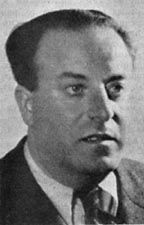
Ignace Reiss, born Nathan Poretsky in 1899, was a Bolshevik revolutionary and Soviet intelligence operative disillusioned by Stalin’s regime. Defecting in 1937, he denounced Stalinism as a betrayal of revolutionary ideals. His assassination shortly after exemplified the regime’s brutality against dissenters and marked him as a martyr for anti-Stalinists.
-
Felix Morrow’s “Revolution and Counter-Revolution in Spain” provides a critical Marxist analysis of the Spanish Civil War, arguing that the Spanish proletariat had potential power which was undermined by reformist leadership. Morrow’s work highlights the dangers of class collaboration and emphasizes the need for revolutionary mobilization to confront authoritarianism and capitalist democracy.
-
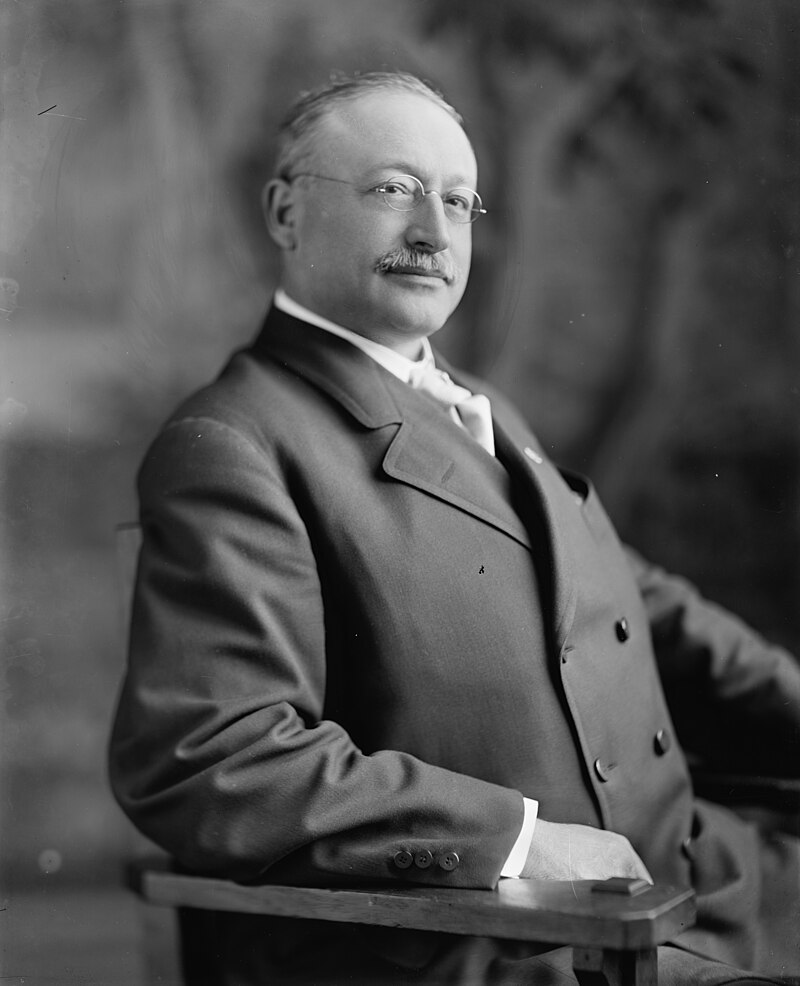
Victor Louis Berger (1860–1929) was a pivotal figure in American socialism, known for founding the Socialist Party of America in 1901 and being the first Socialist elected to Congress. His pragmatic approach to socialism emphasized reform over revolution. Berger’s legacy reflects debates between revolutionary and reformist socialism within American politics.
-
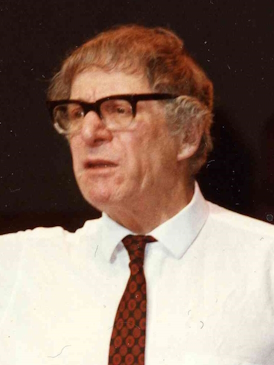
Ted Grant’s Selected Works, Vol. One presents his analyses of Stalinism and the Soviet Union’s class nature, emphasizing “proletarian Bonapartism.” Edited by Steve Iverson, this volume merges historical case studies with theoretical clarity, making it relevant for contemporary Marxist debates. However, it has limitations in empirical scope and cultural analysis.
 Letters from Tomis