Historical Materialism
-

Aristotle’s Poetics is a cornerstone of literary theory exploring tragedy and aesthetics, yet it reflects the ideological biases of ancient Athenian society. From a Marxist view, it reinforces class hierarchies and serves conservative functions in art, necessitating historical materialist reinterpretation to understand underlying socio-economic conditions influencing artistic production.
-

Friedrich Engels’ The Origin of the Family, Private Property and the State remains vital in Marxist theory, analyzed in the 2020 Wellred Books edition. Rob Sewell’s introduction contextualizes Engels’ claims on the evolution of family, property, and state, especially regarding gender inequality. This edition enhances accessibility and relevance for contemporary discussions on social inequality.
-

Human progress relies on adaptation and critical thinking regarding our economic and political systems. Currently, capitalism’s inequalities demand a shift toward socialism, which prioritizes communal needs over profit. Socialism seeks to democratize power and resources, promoting well-being and cooperation, while recognizing human value beyond mere economic contributions. Embrace this moral revolution for a sustainable future.
-
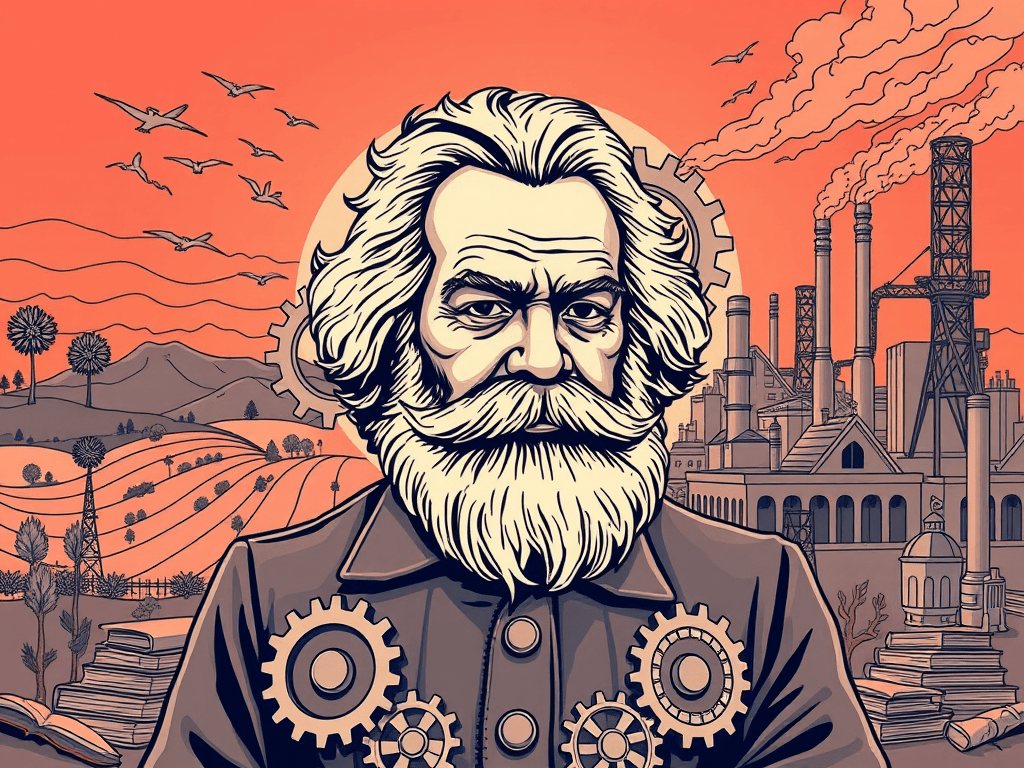
Karl Marx offers a historical materialist perspective on human consciousness, emphasizing that it is shaped by material conditions rather than existing independently. Consciousness evolves through class struggles, reflecting economic realities. As societies transform, so do ideologies, showcasing a dialectical process where contradictions propel social progress and change in consciousness.
-
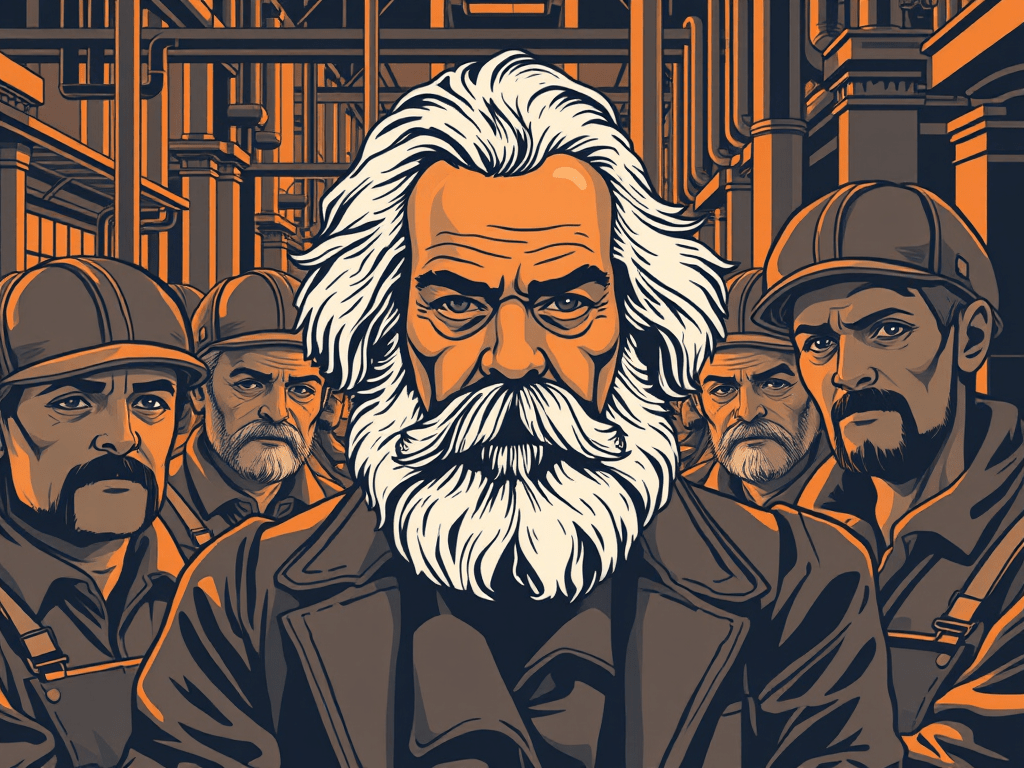
Karl Marx described the working class as the “gravediggers” of capitalism, emphasizing their role in challenging the system’s inherent contradictions and exploitative nature. While capitalism adapts and reshapes itself, the potential for collective action among workers emphasizes their capacity for revolutionary change, making the future of the system uncertain.
-
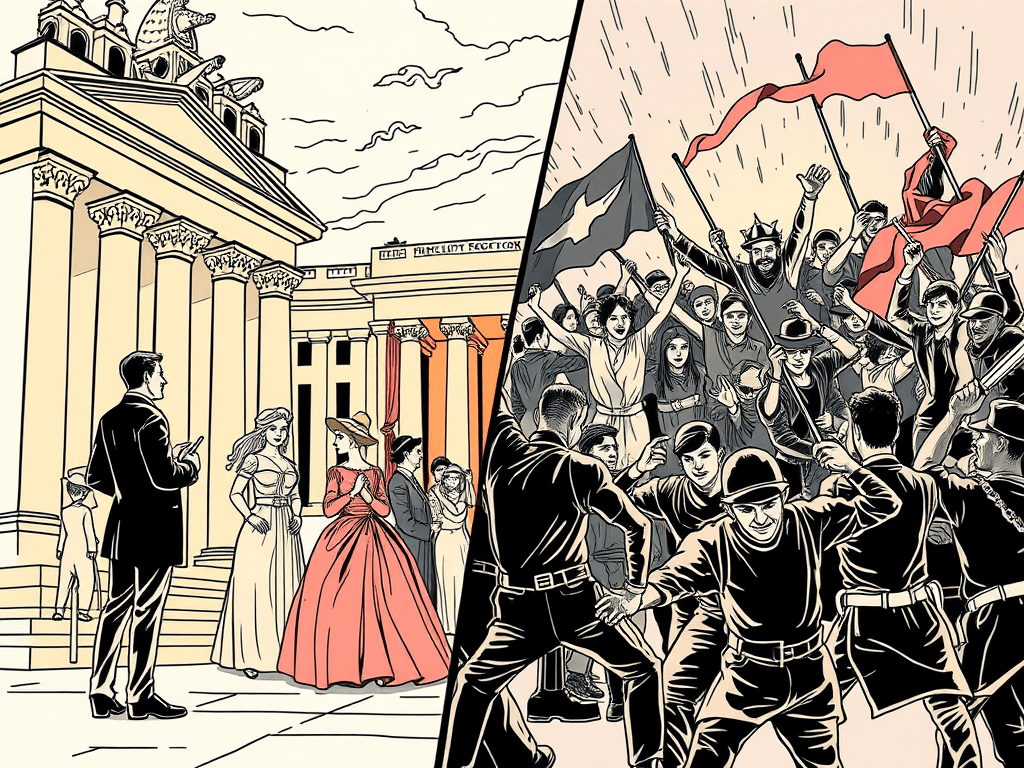
Revolutions have paradoxical traits, blending change with continuity. Bourgeois revolutions like the French and American prioritize reforming power structures without challenging property rights, benefiting the educated upper classes. In contrast, proletarian revolutions, exemplified by the Bolshevik Revolution, aim to dismantle capitalist systems entirely, seeking radical transformation for the dispossessed masses.
-
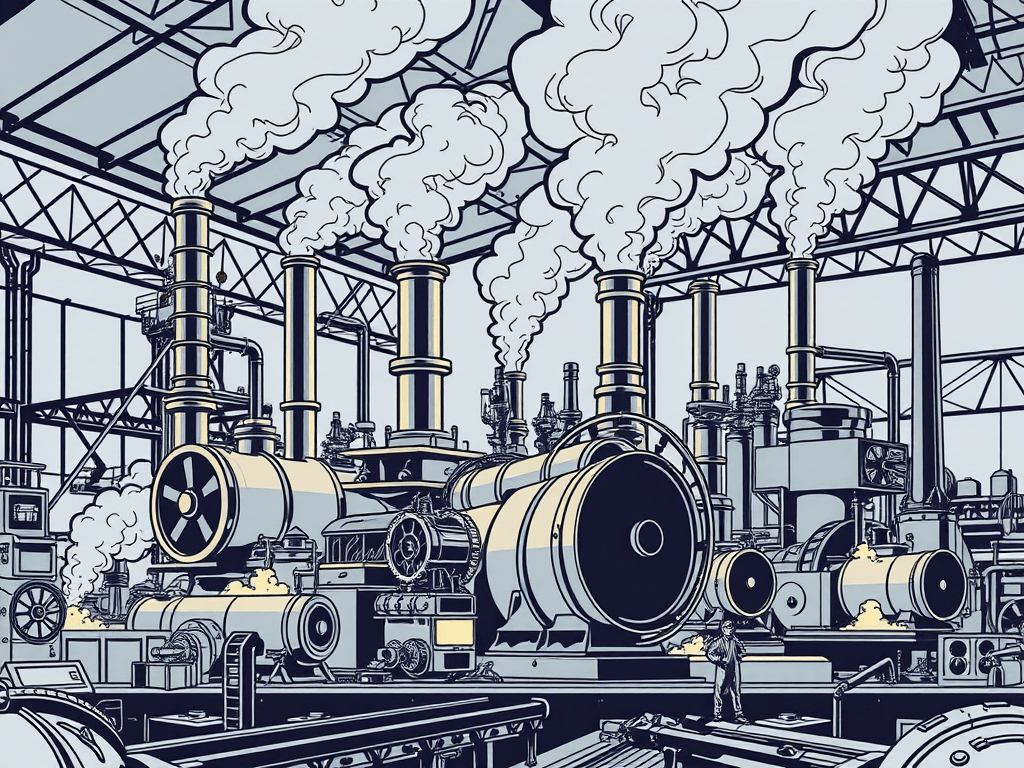
I discuss capitalism’s unique drive for constant innovation, contrasting it with the stagnation of feudal economies. The Industrial Revolution exemplifies how advancements transformed societies, often at a human cost. However, capitalism’s inherent contradictions, like wealth concentration and displacement of workers, raise questions about its sustainability and the potential need for a new economic system.
-

Marx’s analysis reveals the transition from feudalism to capitalism as a shift in exploitation rather than a move toward freedom. While serfs were directly bound to land, wage workers face economic necessity, masking their oppression as choice. This continuity of exploitation challenges the romanticized view of capitalist liberation, emphasizing the need for ongoing resistance.
-

The bourgeois revolutions marked significant shifts from feudalism to capitalism, driven by class struggle and economic liberation. They dismantled old hierarchies, established market economies, and fostered national identities, while also emphasizing secular authority. Despite achieving liberation, they introduced new forms of oppression, foreshadowing future class struggles for true emancipation.
-

Eric Hobsbawm’s The Age of Extremes: The Short Twentieth Century, 1914–1991 offers an incisive analysis of the tumultuous century, dividing it into three epochs: the Age of Catastrophe, the Golden Age, and the Crisis Decades. Hobsbawm integrates politics, culture, and economics, providing a global perspective and warnings about neoliberalism’s rise. It is a crucial read…
 Letters from Tomis