France
-
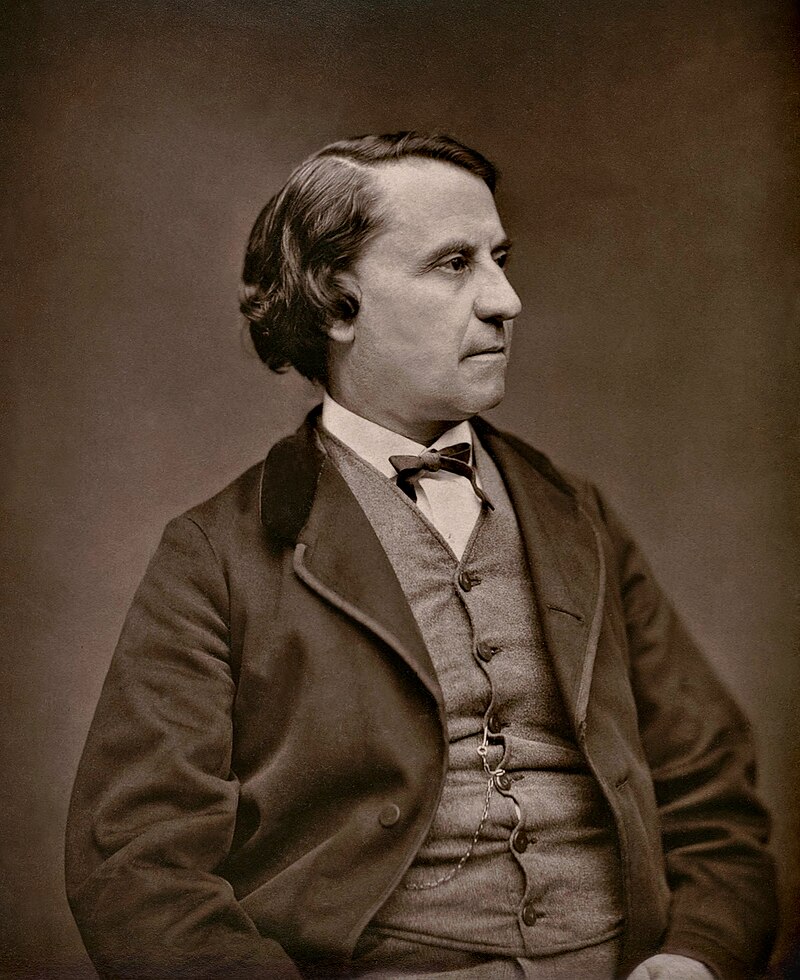
Louis Blanc, a prominent figure in 19th-century French socialist thought, advocated for the “right to work” and proposed state-backed social workshops. His political career peaked during the 1848 revolution but faltered due to mismanagement of workshops. Despite setbacks, his ideas influenced future social democratic movements and emphasized the link between political liberty and economic justice.
-

Sebastian Smee’s Paris in Ruins explores the cultural history of post-Franco-Prussian War Paris, highlighting the interplay of art, politics, and memory. While emphasizing aesthetic dimensions, it occasionally overlooks structural political factors and ordinary Parisians’ perspectives. The book illuminates how destruction informs cultural identity and collective memory, offering valuable insights for scholars and general readers alike.
-
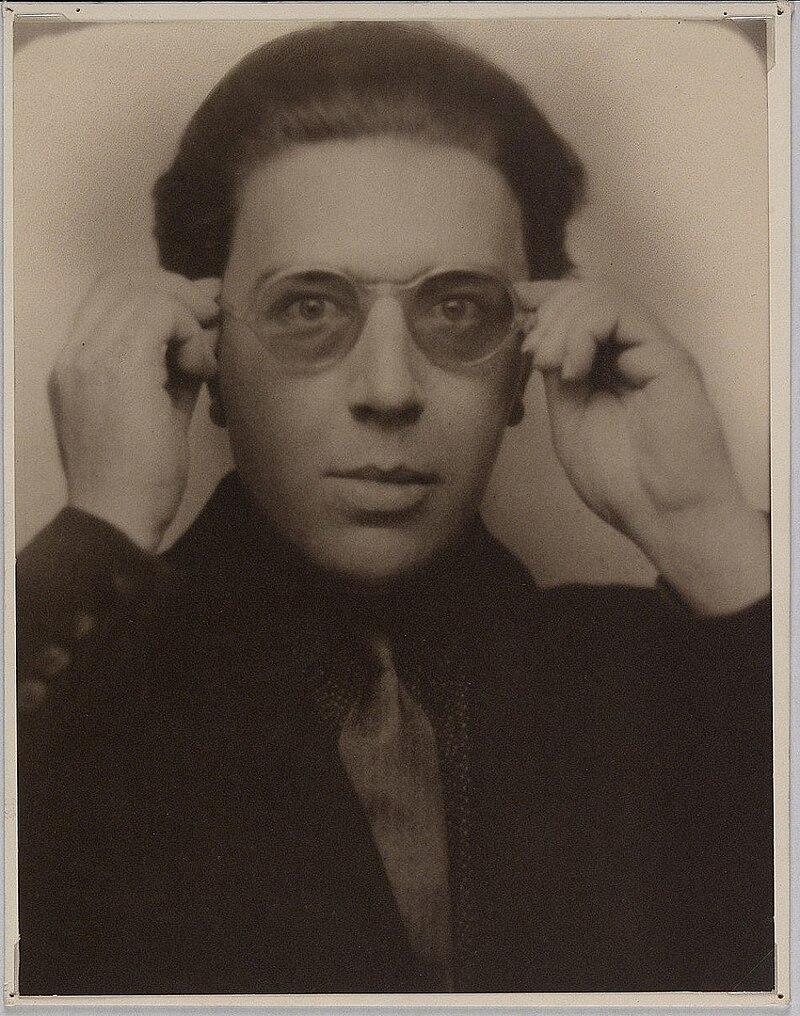
André Breton, born in 1896, was a key figure in Surrealism, blending literary and political pursuits. Initially influenced by Symbolist writers and psychiatry, Breton’s Dada involvement led to automatic writing, defining Surrealism in 1924. His complex relationship with Marxism aimed to connect art and revolution, impacting 20th-century cultural history significantly.
-

Émile Zola’s Money explores finance capitalism and moral decay during the Second Empire through the character Aristide Saccard. While offering insights into 19th-century capitalism and financial mechanisms, the novel suffers from narrative redundancy and lack of psychological depth. It serves as a significant study of Zola’s naturalism but lacks enduring aesthetic power.
-

Pierre-Joseph Proudhon, a foundational figure in radical thought, was the first self-identified anarchist, known for his critique of capitalism and advocacy of mutualism. His works challenged traditional notions of property and authority, influencing 19th-century socialism and inspiring later anarchists. Proudhon’s legacy continues to provoke discussion on liberty and justice.
-

Alfred Rosmer (1877–1964) was a key yet overlooked figure in early 20th-century socialist movements. A French trade unionist and anti-war activist, he evolved from anarcho-syndicalism to Bolshevism and Trotskyism. His legacy includes advocating for workers’ internationalism, historical scholarship, and principled opposition to Stalinism, reflecting essential revolutionary struggles.
-
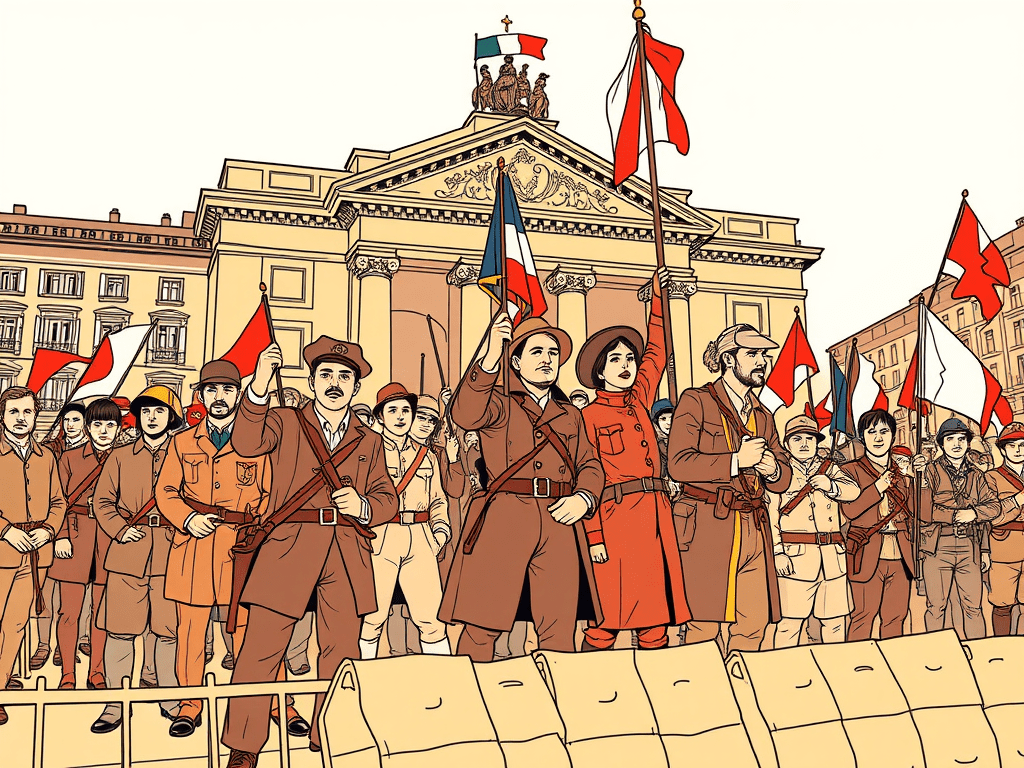
The Paris Commune of 1871 was a pivotal workers’ uprising that resulted in a revolutionary government led by laborers and radicals. Lasting only two months, it implemented radical reforms like council democracy and social welfare. Although brutally suppressed, its legacy continues to inspire socialist movements, illustrating the potential for proletarian self-governance and revolutionary action.
-
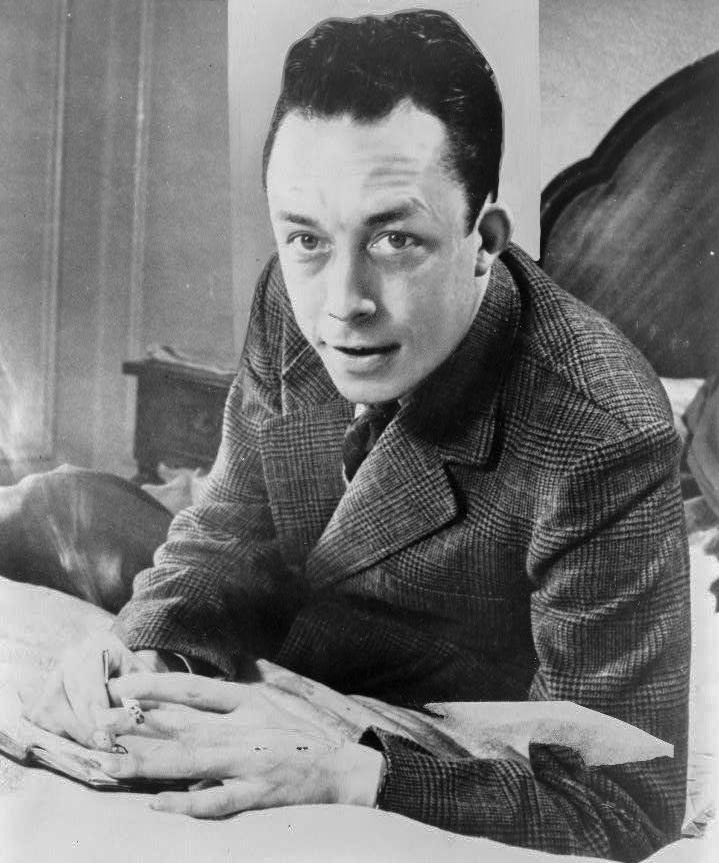
Albert Camus was born in Algeria in 1913 and faced poverty after his father’s death in WWI. He excelled in academics and became involved in politics and theater in the 1930s. Key works like “The Stranger” and “The Myth of Sisyphus” reflect his absurdist philosophy. A Nobel laureate, he remains influential for his ethical stance…
-

Marcel Cachin (1869–1958) was a significant figure in French socialism and communism, instrumental in founding the French Communist Party. His life reflected the evolution of leftist movements in Europe post-World War I. Recognized for his commitment to internationalism and working-class struggles, Cachin’s legacy reveals both idealism and challenges within Communist politics.
-
The French Communist Party (PCF), founded in 1920, emerged from a split in socialism, gaining significant influence in 20th-century France. It opposed fascism, contributed to labor rights, and played a pivotal role in the French Resistance during WWII. However, alignment with the Soviet Union and economic shifts diminished its power, but it remains active advocating…
 Letters from Tomis