Émile Zola
-
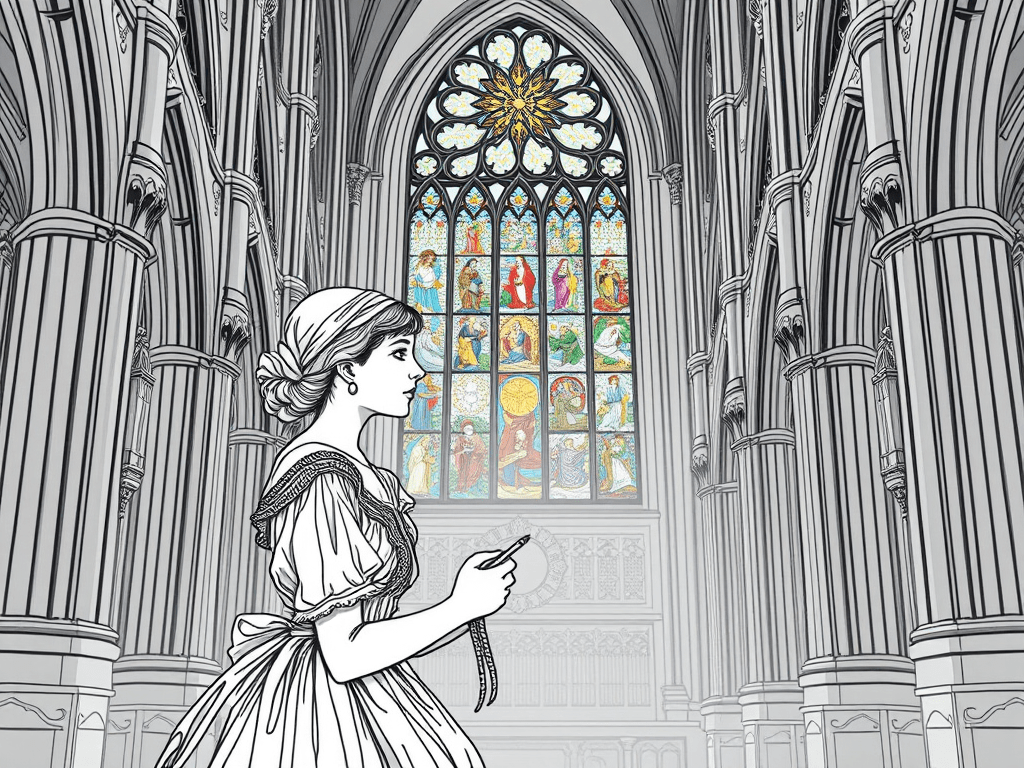
Émile Zola’s Le Rêve intricately balances naturalism, sentimentality, and religious idealism within the Rougon-Macquart cycle. Centered on Angélique and Félicien’s tragic love, it critiques patriarchal control and reveals determinism’s grip on dreams and desires. Ultimately, the novel explores the tension between scientific observation and spiritual transcendence, embodying a haunting complexity of human experience.
-

Émile Zola’s Money explores finance capitalism and moral decay during the Second Empire through the character Aristide Saccard. While offering insights into 19th-century capitalism and financial mechanisms, the novel suffers from narrative redundancy and lack of psychological depth. It serves as a significant study of Zola’s naturalism but lacks enduring aesthetic power.
 Letters from Tomis