Economics
-

The lecture critiques finance as a central pillar of capitalism, extracting value rather than producing. It traces financial capital’s evolution, highlighting Marx, Engels, and Lenin’s analyses of its role in global exploitation and class struggle. To dismantle capitalism, it argues for abolishing finance, rejecting reform, and empowering workers through organized resistance.
-

The digital revolution profoundly alters global work, with automation and AI reshaping industries and labor relations. Through a pro-socialist lens, the essay highlights capitalism’s potential for exploitation versus socialism’s ability to empower workers. It advocates for using digital tools to create equitable economic conditions, reducing labor while promoting social ownership and democratic governance.
-

Karl Marx’s “Wage-Labour and Capital” and “Value, Price, and Profit” are vital texts exploring capitalist economies. They analyze the relationships between labor, value, wages, and profit. The works highlight labor’s commodification, surplus value, and exploitation. Together, they offer essential insights into political economy and ongoing class struggles within capitalism.
-
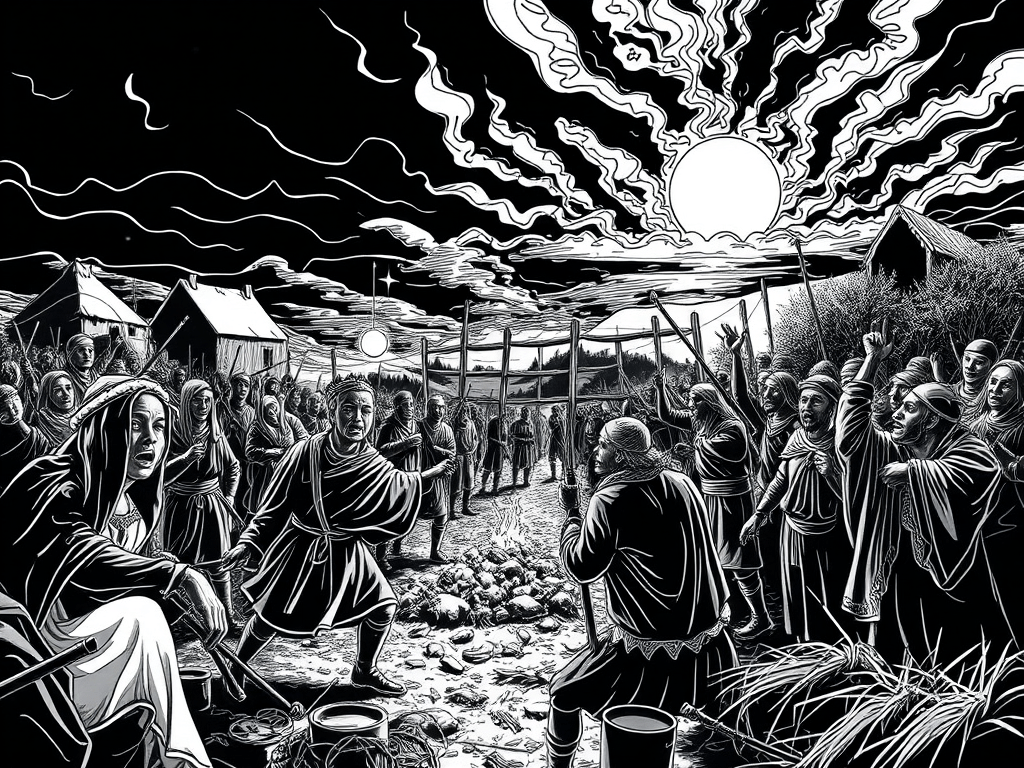
Karl Marx’s concept of primitive accumulation exposes capitalism’s origins rooted in violence and theft, contrary to the myth of hard work and virtue. This theory highlights the processes of dispossession that created the modern proletariat and critiques how historical injustices continue to impact contemporary economic disparities and power dynamics.
-

Richard D. Wolff, born in 1942, is a leading American economist known for his Marxist perspectives on economic inequality and capitalism critiques. An advocate for worker cooperatives and founder of Democracy at Work, he teaches at The New School and hosts Economic Update, addressing economic topics through a progressive lens. His influential writings emphasize democracy…
 Letters from Tomis