Dialectical Materialism
-

Mechanistic materialism, while intellectually appealing, offers a limited perspective on reality. It reduces complexities of existence, including creativity and morality, to mere physical processes. Although materialism has grounded our understanding of the universe, it fails to acknowledge essential dimensions of human experience and understanding, necessitating a broader approach to reality.
-

The reflections explore the complex concept of dialectics, emphasizing its historical evolution from ancient Greek argumentation to Marx’s material interpretation. Dialectics challenges simplifications, urging a nuanced understanding of contradictions in human thought and society. Embracing dialectics requires intellectual rigor and readiness to confront complexity in pursuit of truth and personal growth.
-

The term “metaphysical” historically refers to inquiries beyond empirical observation, questioning existence’s nature and purpose. While often associated with mystical ideologies, true metaphysical inquiry challenges us to think critically about what questions remain unanswered. It encourages disciplined exploration of existence’s mysteries, reaffirming our intellectual curiosity and humanity’s profound inquiries into reality.
-
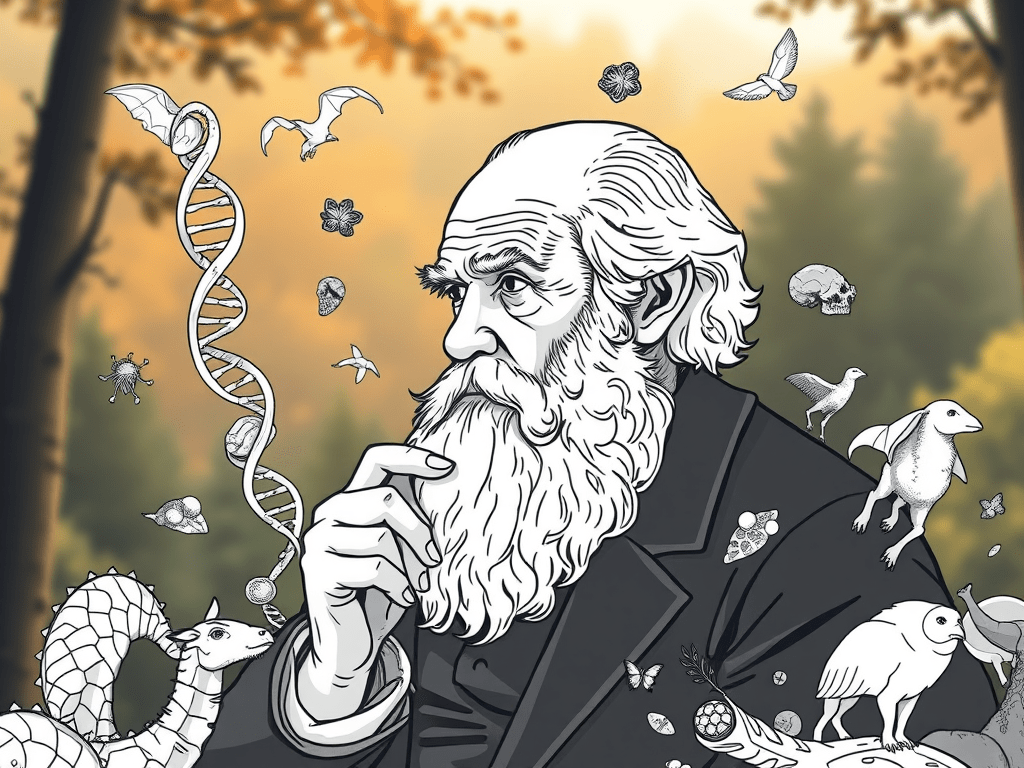
Darwin’s theory of evolution by natural selection challenges both scientific understanding and philosophical beliefs. It highlights humanity’s kinship with other life forms and redefines our moral responsibilities. While some resist this idea due to its unsettling implications, embracing it can deepen our understanding of existence and enrich our perspective on life.
-

The author critiques philosophical idealism, arguing it’s a dangerous distraction that prioritizes abstraction over material reality. Idealism’s solipsism shapes history as an unfolding of ideas, neglecting the impact of material struggles. In contrast, materialism emphasizes understanding and transforming the world based on tangible conditions, asserting that ideas emerge from reality, not the reverse.
-

Materialism posits that matter is the essence of reality, challenging superstitions and promoting evidence-based understanding. It advocates for self-created meaning and emphasizes ethical responsibilities, particularly in social justice. Critics argue it is bleak, yet it empowers individuals to confront reality, fostering dignity and progress in an indifferent universe.
-

The discussion explores the nature of “common sense” versus philosophy, arguing that while common sense provides practical insights essential for survival, it lacks the depth and rigor of philosophical inquiry. Common sense should not be mistaken for universal truth; instead, it serves as a starting point for deeper exploration rather than a definitive worldview.
-
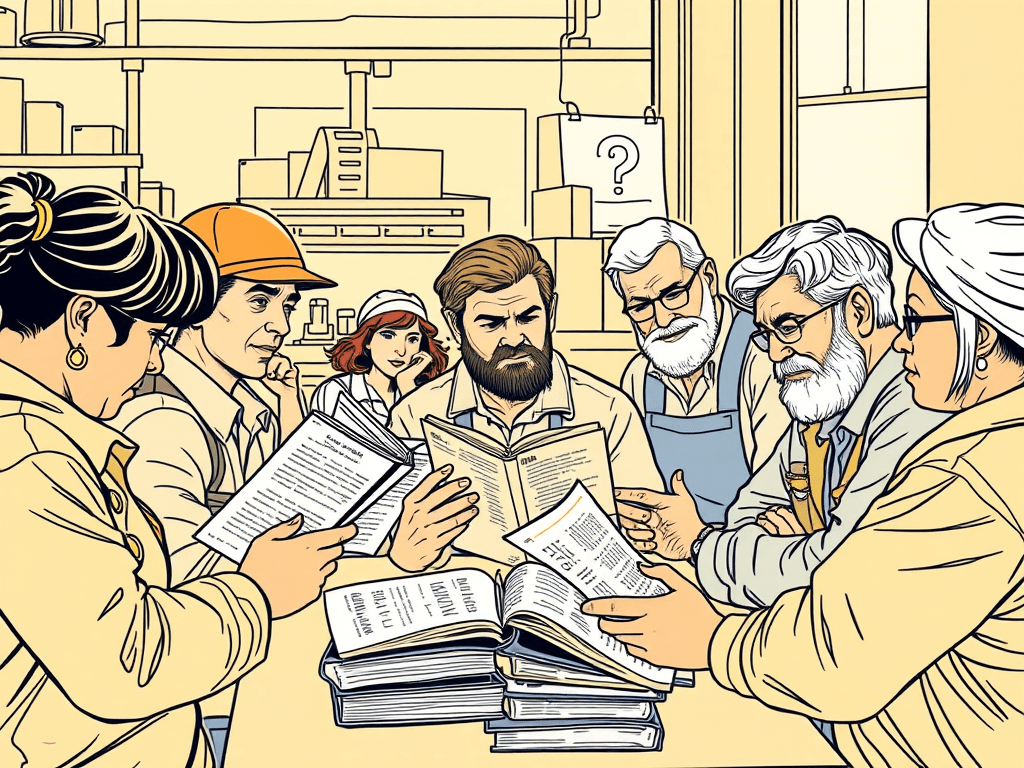
The author reflects on misconceptions about philosophy’s accessibility, arguing that it is essential for the working class. Philosophy offers critical insights and empowerment, enabling workers to articulate their grievances and challenge oppressive systems. Embracing philosophy transforms frustrations into movements, ensuring that the pursuit of wisdom is a universal right, not limited to the elite.
 Letters from Tomis