Dialectical Materialism
-

Leon Trotsky’s “Leon Trotsky Presents the Living Thoughts of Karl Marx” provides a dynamic introduction to Marxist thought, emphasizing historical materialism and the labor theory of value. Written in exile, Trotsky combines pedagogical and polemical tones, urging readers to view Marxism as a living method for social transformation rather than a static doctrine.
-

The lecture on “The Communist Manifesto” emphasizes its historical significance and ongoing relevance in contemporary discourse. It explores the text’s insights on capitalism, class struggle, and Marxist theory, alongside a critique of its predictions and enduring themes such as alienation and inequality in today’s global economy.
-

The concept of commodity fetishism, as discussed by Marx, highlights how capitalism obscures social relations behind commodity production, attributing value to objects instead of labor. Contemporary Marxist theorists, like Žižek, Harvey, and Jameson, extend this analysis, particularly in the digital age, illustrating how digital commodities further mystify labor and social connections.
-

Karl Marx’s Value, Price, and Profit is a foundational work on Marxist economic theory, presented as a speech in 1865. It critiques capitalism, explains exploitation through surplus value, and empowers the working class. Its accessible style and blend of theory with practical calls for action make it relevant for contemporary struggles for economic justice and…
-

The evolution of human civilization, intertwined with the institution of slavery, reflects a complex relationship between progress and exploitation. While slave societies contributed significantly to economic and cultural achievements, they did so at a severe human cost. Recognizing this paradox compels a moral obligation to strive for a future devoid of exploitation.
-

The text explores the distinctions between determinism and fatalism. Determinism asserts that human actions are caused by preceding conditions, allowing for meaningful freedom, while fatalism posits that outcomes are preordained, rendering human efforts meaningless. Embracing determinism encourages responsibility and progress, while fatalism leads to passivity and despair.
-
The inquiry into whether the universe had a beginning captivates theologians, philosophers, and scientists. While religion offers a divine explanation, science presents the Big Bang theory. Both perspectives reveal our ignorance and underscore the limits of human understanding. Embracing doubt fosters wisdom and humility in exploring existence’s mysteries.
-

Dialectical materialism, rooted in Marxist philosophy, interprets societal change through material contradictions within economic systems. While acknowledging its limitations and critiques, this framework remains relevant in addressing modern challenges like climate change and digital monopolies. Embracing its insights, without rigid dogma, is essential for understanding and navigating our rapidly evolving world.
-
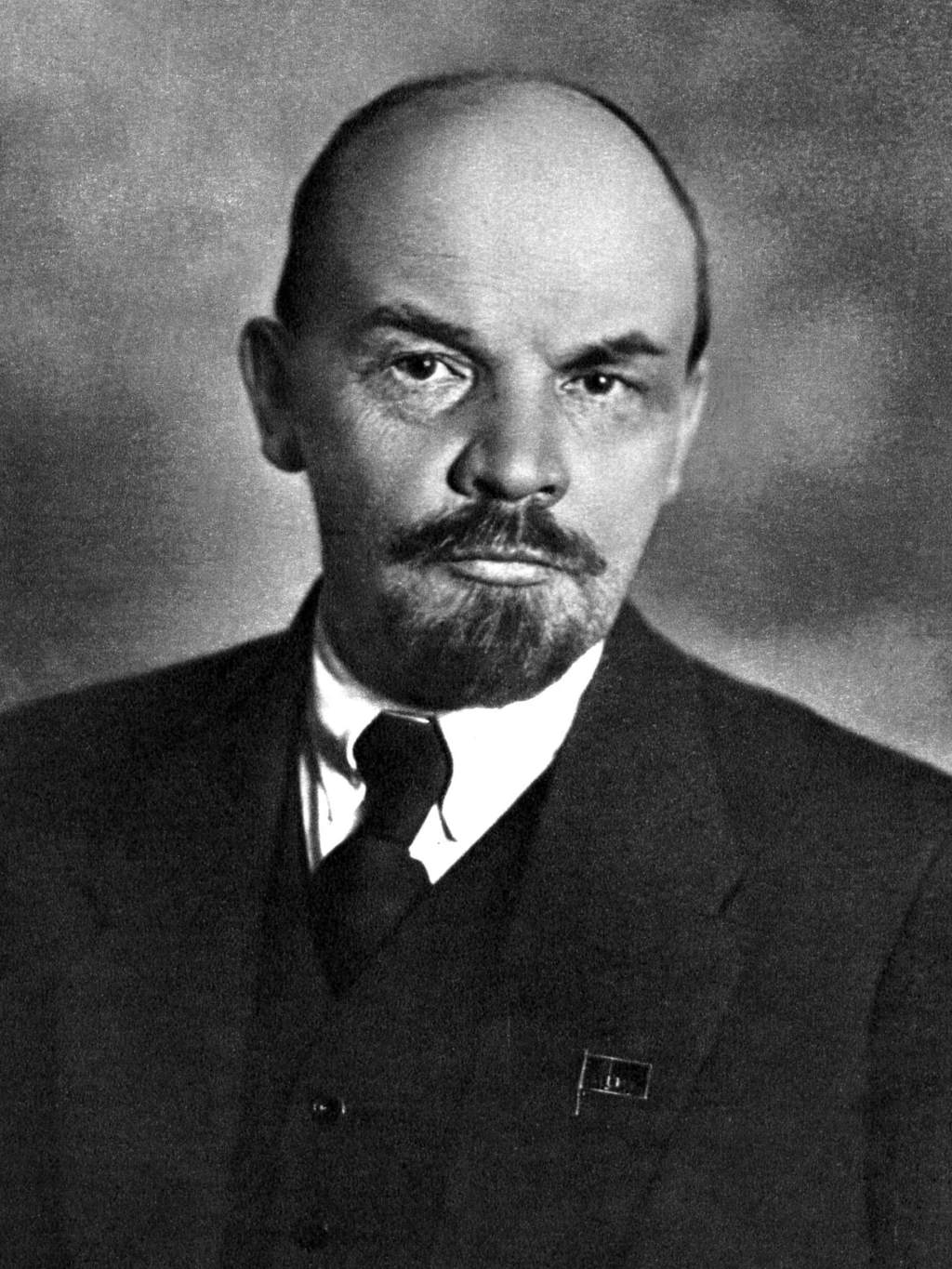
This post reflects on Lenin’s significant contributions to socialism, highlighting his leadership in the Russian Revolution and the establishment of the Soviet Union. His theories on class struggle and imperialism have influenced global socialist movements, and his legacy continues to spark debates on governance, economics, and social justice in contemporary discourse.
-

Nature exemplifies a dialectical reality where conflict drives progress and evolution. Rather than a static harmony, it embodies perpetual clashes that shape life systems. These contradictions create order from disorder and highlight humanity’s exploitation of nature, culminating in a precarious balance that demands new resolutions through inevitable struggle.
 Letters from Tomis