Critical Theory
-
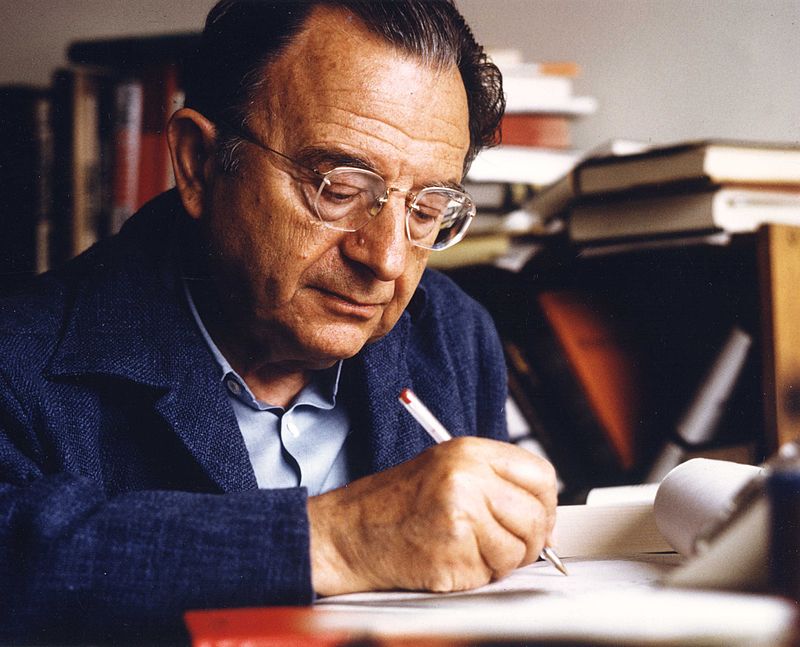
Erich Fromm was a German social psychologist and philosopher who shaped 20th-century thought by integrating psychology and Marxism. His work highlighted individual alienation in capitalism and advocated for humanistic socialism and ethics of love. Fromm’s influential writings explored freedom, love, and the social character, leaving a lasting impact across multiple disciplines.
-

Stuart Hall (1932–2014) was a pivotal cultural theorist and founding figure in British Cultural Studies. His work explored media, race, identity, and political ideology, significantly shaping debates in cultural studies and critical race theory. Hall’s influence endures through his critical analyses of identity, power, and representation.
-
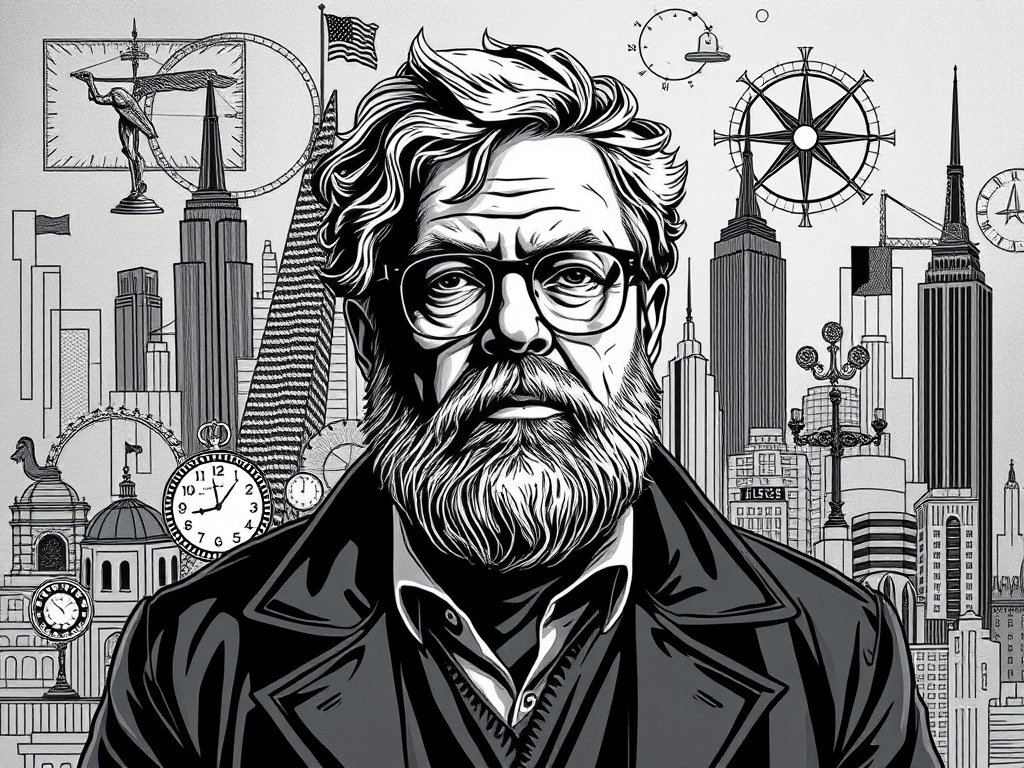
Frederic Jameson’s Postmodernism examines late capitalism’s cultural dynamics, identifying postmodernism as a critical ideological manifestation. While praised for its historical materialism, it lacks a revolutionary praxis, offering diagnostics instead of solutions. Jameson emphasizes the need for cognitive mapping but fails to connect these ideas with grassroots political action, ultimately serving as a theoretical lens rather…
-

Jacques Lacan’s psychoanalytic theory features three interdependent registers: the Imaginary, the Symbolic, and the Real, with the Real as the most complex. This summary explores Lacan’s evolving understanding of the Real throughout his career, examining its distinctions from the other orders, its role in human experience, and its implications for psychoanalysis.
-

Félix Guattari (1930–1992) was a French psychoanalyst and philosopher renowned for co-authoring “Anti-Oedipus” with Gilles Deleuze, proposing schizoanalysis which critiqued capitalism’s effects on desire. His later works, like “The Three Ecologies,” promoted ecological and social justice, influencing contemporary philosophy, activism, and therapeutic practices until his death in 1992.
-

Nancy Fraser’s “Cannibal Capitalism” critiques contemporary capitalism, arguing it exploits democracy, care, and the environment. Through six chapters, it examines systemic racism, undervalued care work, and ecological crises, while proposing a socialist vision. Although it offers deep insights, its dense language may limit accessibility and practical solutions.
-

Nancy Fraser, an influential American philosopher and critical theorist, specializes in political philosophy, feminist theory, and social criticism. Known for her dual framework of “redistribution and recognition,” Fraser critiques neoliberalism and capitalism’s effects on democracy. Her work addresses social justice, gender, race, and class, advocating for inclusive democratic deliberation.
-

Jacques Derrida was a prominent twentieth-century French philosopher known for his concept of “deconstruction.” Born in Algeria and educated in France, he challenged traditional philosophy by arguing that meaning is unstable. His influential works included “Of Grammatology” and “Writing and Difference,” significantly affecting multiple disciplines and postmodern thought. He passed away in 2004.
-
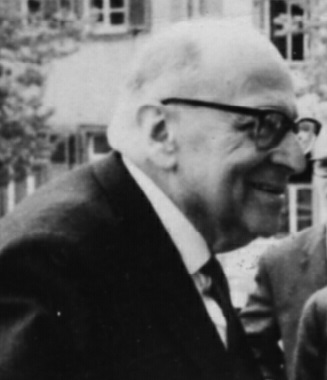
Max Horkheimer (1895–1973) was a prominent German philosopher and sociologist associated with the Frankfurt School. He critiqued modern capitalism and rationality, co-authoring the influential work “Dialectic of Enlightenment.” Exiled during Nazism, he returned after WWII, leaving a lasting impact on critical theory, cultural studies, and political philosophy.
-

Frederic Jameson, born in 1934, is a prominent Marxist literary critic known for his theories on postmodernism and capitalism. He taught at various prestigious institutions, notably Duke University. His notable works include Postmodernism, or, The Cultural Logic of Late Capitalism and The Political Unconscious, analyzing the intersections of culture and economics.
 Letters from Tomis