Communism
-

The “History of the Communist Party of the Soviet Union (Bolsheviks): Short Course,” overseen by Stalin, offers a biased, simplified narrative of Bolshevik history. While it serves as a doctrinal tool that shaped Soviet ideology and political thought, it lacks academic rigor and distorts historical facts to reinforce Stalin’s regime.
-

Rosa Luxemburg’s “Reform or Revolution” critiques Eduard Bernstein’s view that socialism can be achieved through gradual reforms. She asserts that capitalism is inherently unstable and exploitative, requiring revolutionary action instead. Although reforms can improve conditions, they do not resolve capitalism’s contradictions, emphasizing the need for class struggle and systemic change.
-

Lenin’s “Testament” warned against Stalin, advocating his removal as General Secretary, yet it was suppressed by Stalin and allies like Zinoviev and Kamenev. Disunity among Lenin’s potential successors, internal divisions, and Stalin’s control over party machinery enabled him to consolidate power, ultimately silencing his rivals and becoming the Soviet leader.
-
Lenin’s “Testament” warned against Stalin, advocating his removal as General Secretary, yet it was suppressed by Stalin and allies like Zinoviev and Kamenev. Disunity among Lenin’s potential successors, internal divisions, and Stalin’s control over party machinery enabled him to consolidate power, ultimately silencing his rivals and becoming the Soviet leader.
-
Rosa Luxemburg’s “Reform or Revolution” critiques Eduard Bernstein’s revisionist socialism, arguing that social revolution is essential for achieving socialism, as reforms alone cannot address capitalism’s inherent contradictions. She emphasizes class struggle and warns against the dangers of reformism, asserting that only a proletarian revolution can fundamentally transform society and abolish exploitation.
-

Karl Marx’s theory of labor-power and wages is often misunderstood, obscured by capitalism’s need to mask economic realities. He distinguishes labor-power from labor, highlighting how workers are paid only for reproducing their capacity to work, not for the true value produced. This system leads to surplus value extraction and worker exploitation. Marx argues for the…
-

The true essence of Marxism lies in class consciousness rather than violence. It emphasizes organized collective action and awareness of exploitation, leading to a rational societal transformation. Though historical revolutions involved violence, Marxism fundamentally seeks dignity and the reconfiguration of society by empowering the working class to recognize its value and solidarity.
-
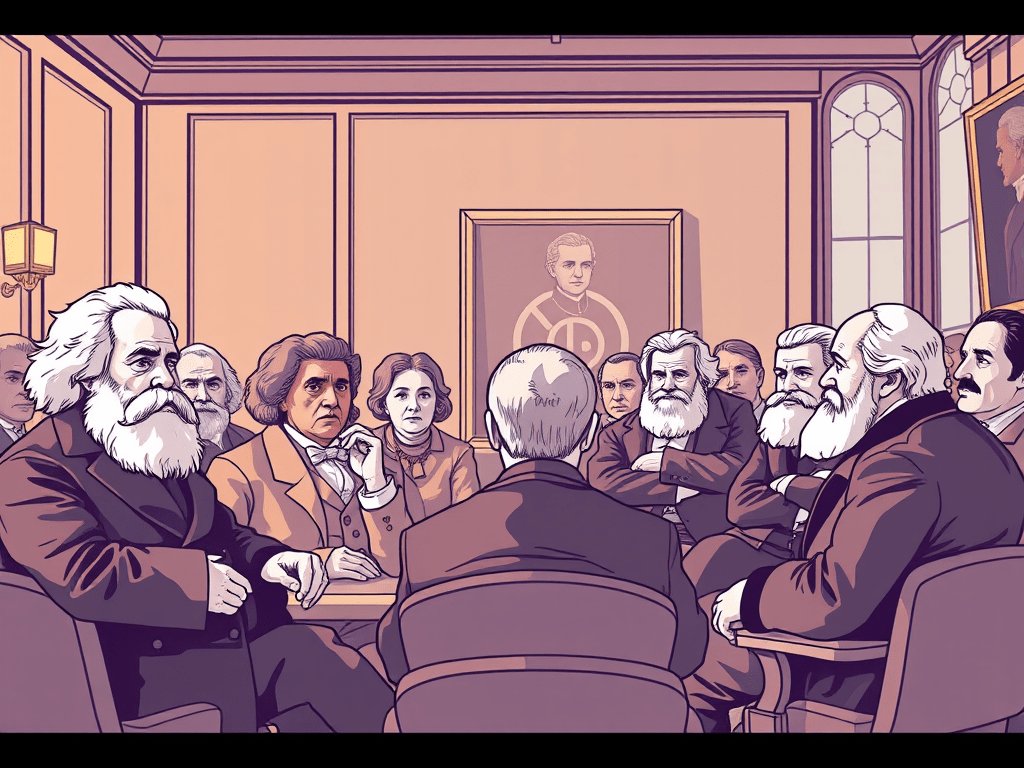
This lecture explores the origins of the socialist movement, focusing on its historical context following the Industrial Revolution. It examines key figures, ideological diversity, and the role of the First International, highlighting its impact on labor movements, class struggles, and shaping modern socialist ideologies, while addressing internal conflicts and legacy.
-
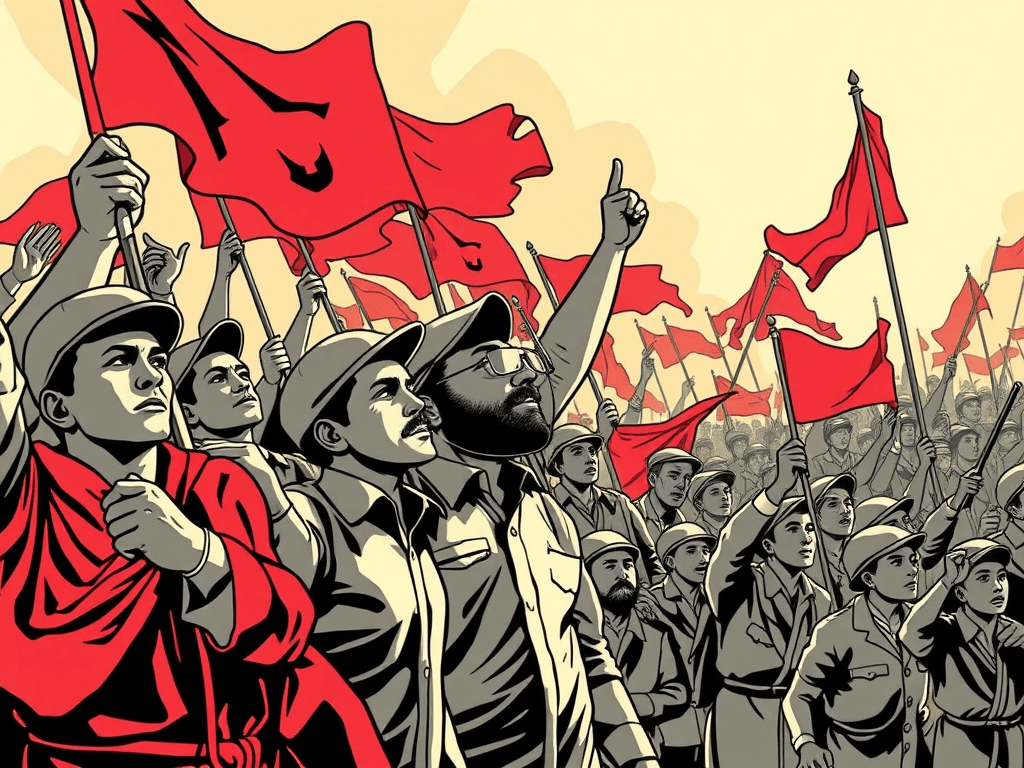
Ted Grant’s Programme of the International presents a foundational framework for revolutionary socialist strategy, emphasizing a clear, practical approach to class struggle. Rejecting opportunism, Grant advocates for democratic workers’ control and critiques capitalism’s impact on consciousness. His insights into socialist movements and internationalism resonate today, inspiring new generations committed to combating exploitation and oppression.
-
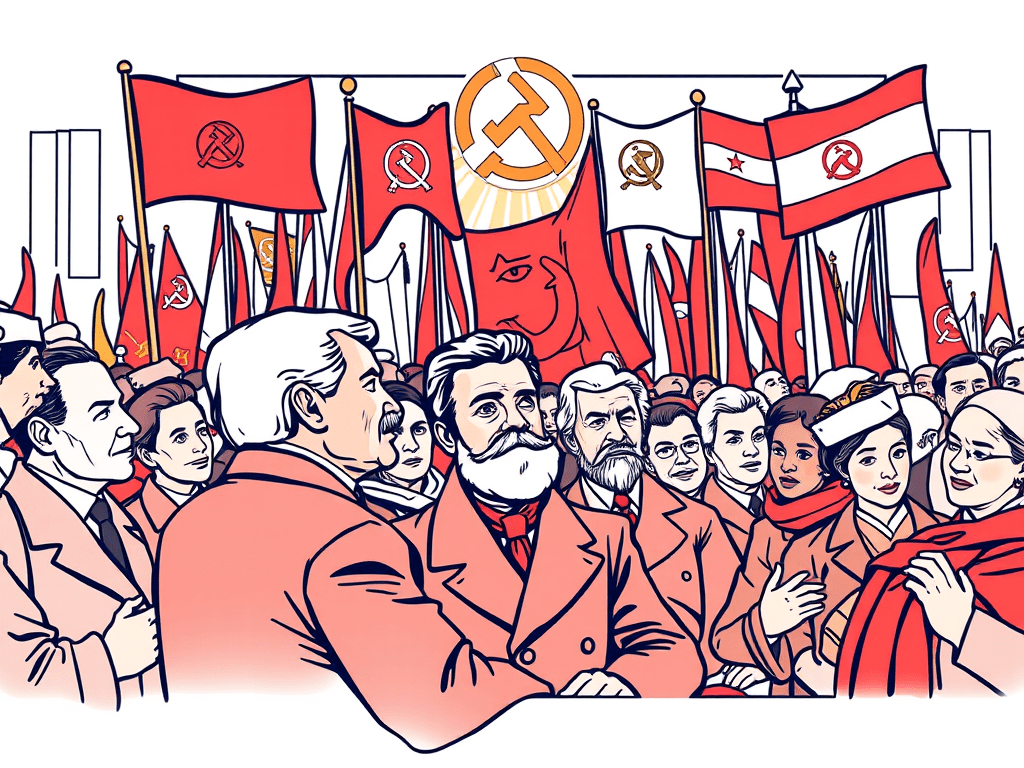
The Second International (1889–1916) coordinated socialist and labor movements globally, advocating for workers’ rights and international solidarity. Key achievements included promoting the eight-hour workday and women’s rights. However, ideological conflicts and the support for World War I led to its decline, giving rise to successor organizations like the Comintern and Socialist International.
 Letters from Tomis