Communism
-

Rosa Luxemburg emphasized the “subjective factor” in Marxist theory, focusing on the working class’s consciousness and initiative as vital for revolutionary change. She opposed fatalistic views of history, arguing that active engagement and preparation of class consciousness are essential. The 1905 Russian Revolution demonstrated the necessity of this proactive approach for meaningful social transformation.
-
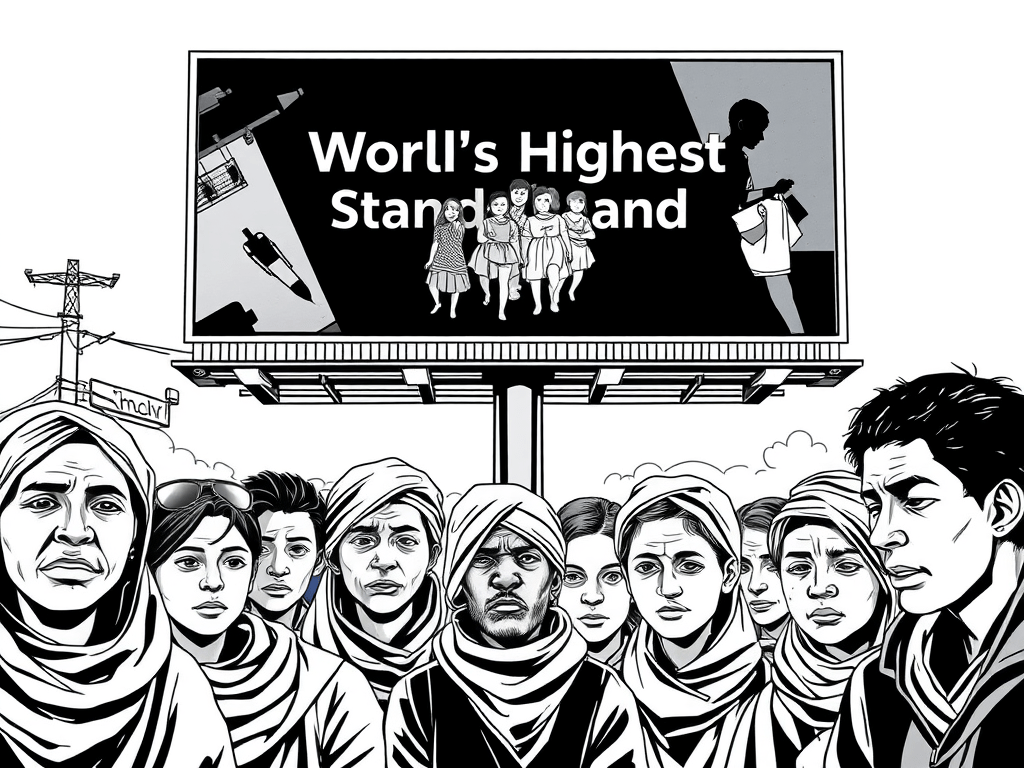
The concept of “under-consumption” highlights the paradox of poverty amidst abundance in capitalism, where overproduction leads to unsold goods while many lack means to purchase essentials. This systemic issue, rooted in class exploitation and wage suppression, consistently results in economic crises, revealing flaws in capitalist distribution, not consumer behavior.
-

Marxist theorists Lenin, Gramsci, and Luxemburg offered varied analyses of the state’s role in class societies. Lenin emphasized coercion and the necessity of a proletarian state, Gramsci focused on hegemony and ideological consent, while Luxemburg insisted on mass democracy. Despite differences, all agreed on revolution’s necessity to transcend class oppression.
-
Rosa Luxemburg challenges the notion that socialists long for a pre-industrial past, asserting instead that socialism emerges from capitalism’s inherent tensions. She emphasizes the importance of embracing technological progress for the benefit of all, advocating for reforms like universal basic income. Luxemburg’s vision for socialism focuses on utilizing capitalism’s advances to create a more equitable…
-
Rosa Luxemburg’s interpretation of Marxism emphasizes the labor theory of value as essential to her revolutionary critique of capitalism. She argues that true value comes from labor, positioning workers as creators deserving of rewards. Luxemburg advocates for democratic socialism and highlights the moral imperative to unite against exploitation, enhancing Marx’s ethical vision for human emancipation.
-
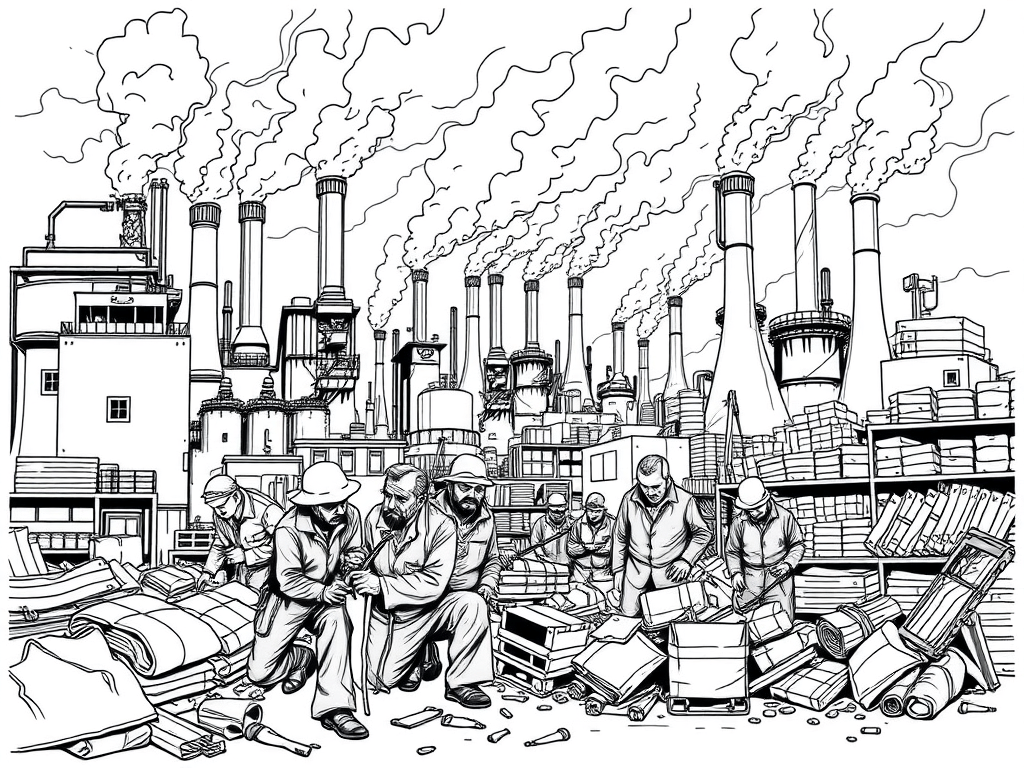
Karl Marx critiqued capitalism as an engine of crisis and exploitation, arguing that its accumulation logic leads to inequality and eventual collapse. While his insights on class struggles and cyclical crises are relevant, capitalism continues to adapt and survive, proving Marx’s predictions of inevitable ruin to be less definitive than he envisioned.
-
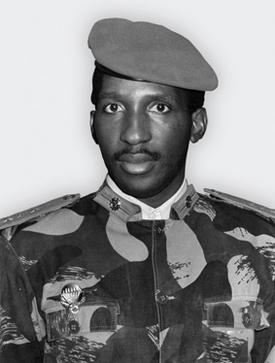
Thomas Sankara (1949–1987) was a revolutionary leader in Burkina Faso, known for his anti-imperialist stance and efforts in women’s liberation, self-sufficiency, and public health. Assassinated in 1987, his legacy as an icon of integrity and Pan-Africanism endures, inspiring movements across the Global South even today.
-

Money is a complex and misunderstood artifact, seen as a mere facilitator of trade yet deeply intertwined with alienation and exploitation. Marx critiques its role as a commodity that masks social relations and perpetuates inequality. Rather than a neutral tool, money embodies estrangement and fuels capitalist predation, necessitating a reevaluation of its societal status.
-
Rosa Luxemburg’s pamphlet Reform or Revolution (1899) critiques Eduard Bernstein’s revisionism within the SPD, arguing that socialism cannot be achieved through gradual reforms. She emphasizes the necessity of revolution due to capitalism’s inherent contradictions. This work later influenced revolutionary socialism and highlighted Luxemburg’s enduring opposition to reformism and centralism within socialist movements.
-
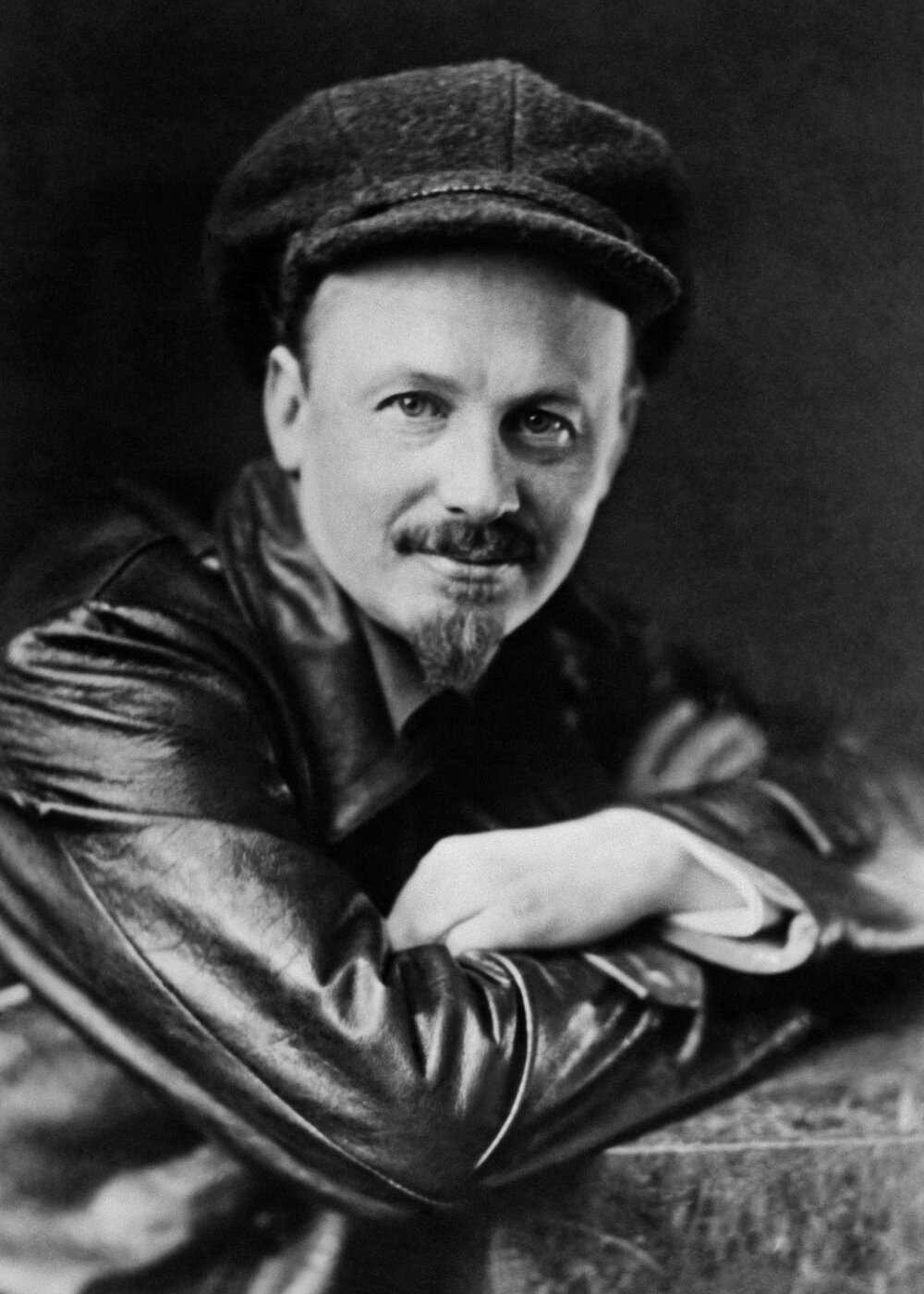
Nikolai Bukharin (1888–1938) was a leading Bolshevik revolutionary, Marxist theorist, and Soviet politician. Initially influential during the October Revolution and supporter of the New Economic Policy, he fell out of favor with Stalin, leading to his arrest and execution during the Great Purge. His legacy endures in Marxist studies.
 Letters from Tomis