Communism
-
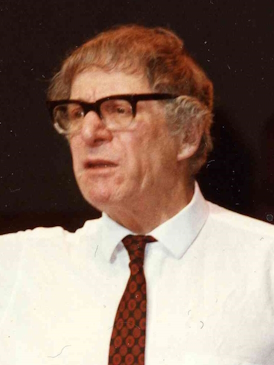
Ted Grant’s Selected Works, Vol. One presents his analyses of Stalinism and the Soviet Union’s class nature, emphasizing “proletarian Bonapartism.” Edited by Steve Iverson, this volume merges historical case studies with theoretical clarity, making it relevant for contemporary Marxist debates. However, it has limitations in empirical scope and cultural analysis.
-
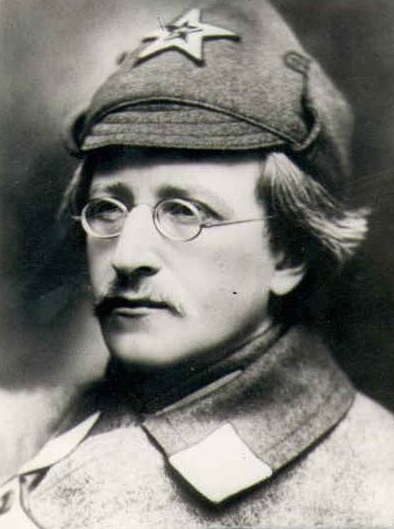
Vladimir Antonov-Ovseenko was a key figure in the early Soviet era, transitioning from soldier and Bolshevik organizer to diplomat and prosecutor. His roles included command in the Russian Civil War and serving as Consul General during the Spanish Civil War. He faced execution during Stalin’s purges but was posthumously rehabilitated.
-
Ted Grant’s “Russia: From Revolution to Counter-Revolution” provides a comprehensive analysis of the Soviet Revolution, Stalinism, and its aftermath. Through a Trotskyist lens, he critiques bureaucratic distortions while acknowledging the revolution’s social achievements. Despite its strengths in historical breadth and clarity, the book is limited by its focus on political over social dimensions and selective…
-
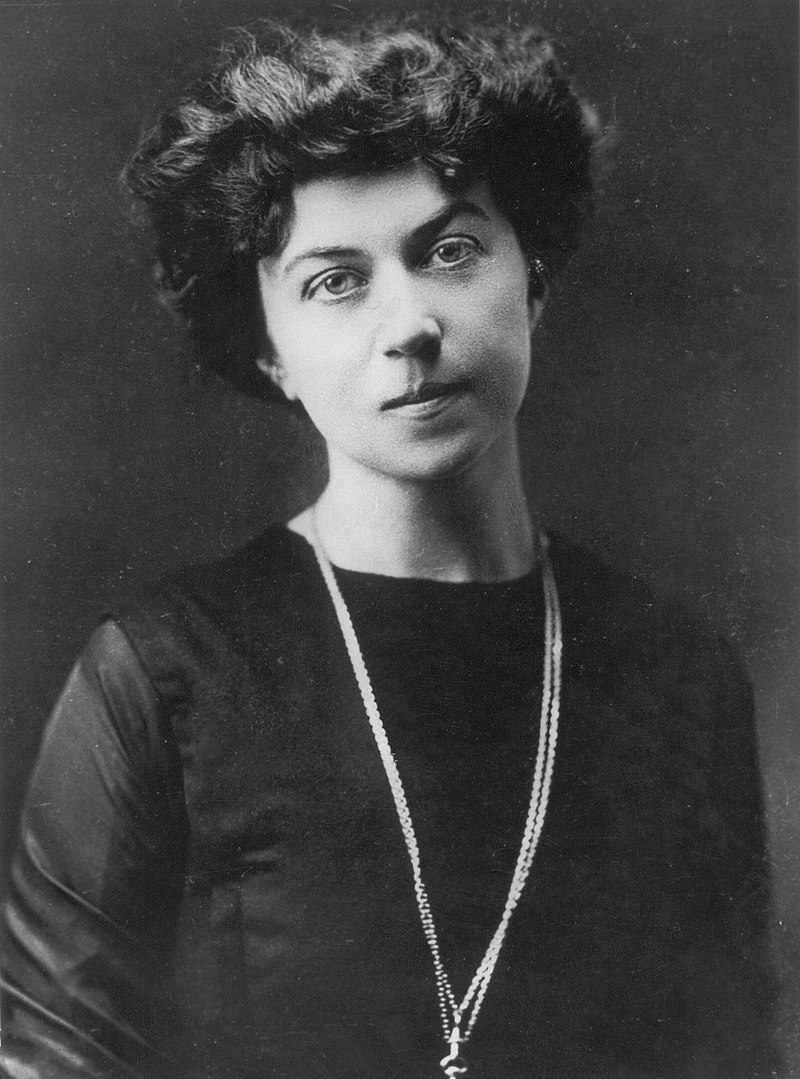
Alexandra Kollontai (1872–1952), a prominent socialist and the first female minister in history, challenged gender oppression under capitalism through Marxist ideology. A key figure in the Bolshevik Revolution, she advocated for women’s rights and social reforms, later criticizing bureaucratic centralization. Despite her marginalization, her feminist theories continue to influence contemporary thought.
-
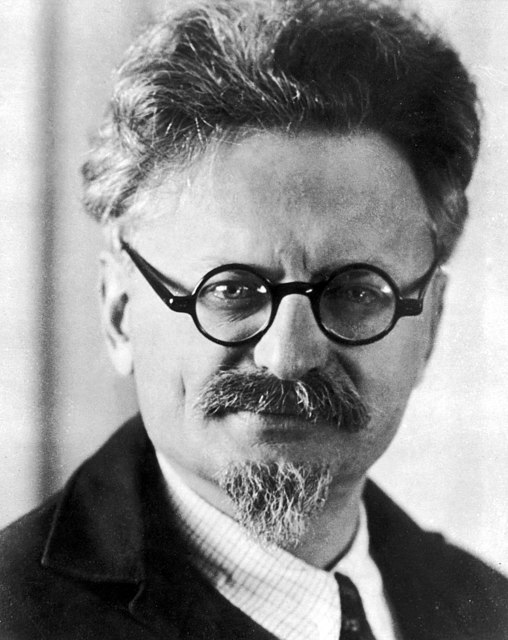
Leon Trotsky’s Marxism in Our Time (1939) reasserts the relevance of Marxist theory amidst global crises. Trotsky defends Marxism against claims of obsolescence, arguing it remains vital for understanding capitalist contradictions and fighting bureaucracy. His analysis underscores the necessity of revolutionary action and internationalism, making it crucial for contemporary struggles against oppression.
-
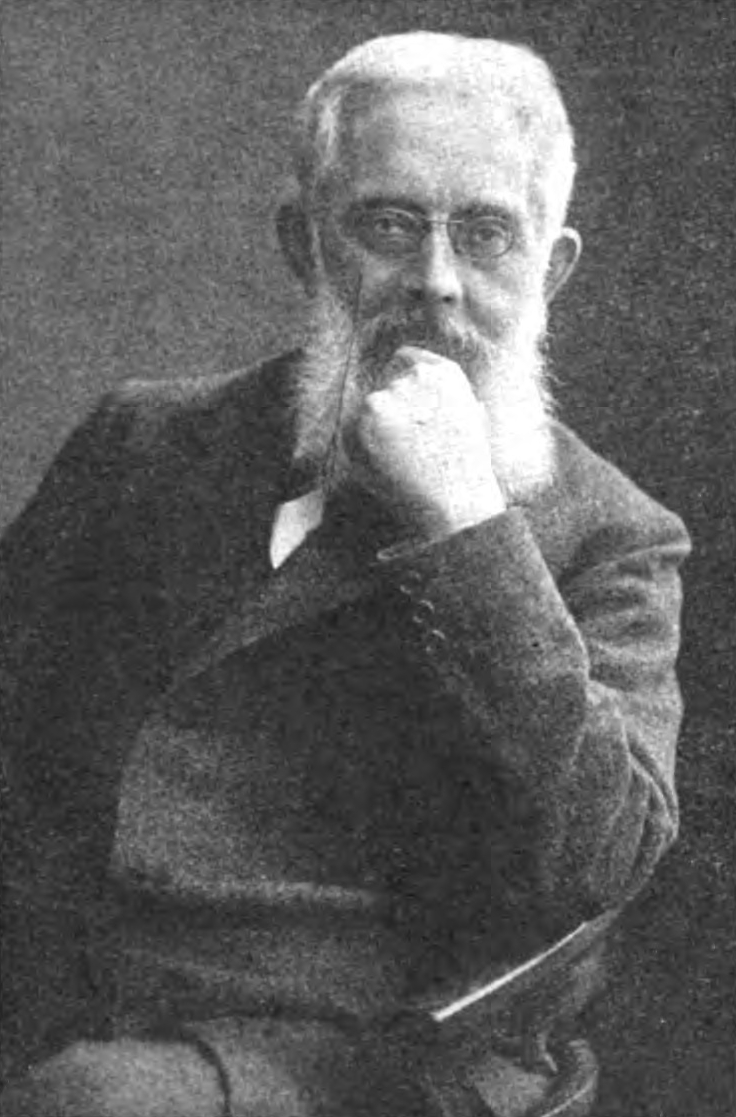
Franz Mehring (1846–1919) was a crucial figure in German Marxism, serving as historian, journalist, and political activist. His works, including a biography of Marx, highlight class struggle and critique bourgeois historiography. A founding member of the KPD, he embodied the tensions within socialism and left a lasting legacy in historical and literary criticism.
-
Leon Trotsky’s “In Defence of Marxism” is a critical examination of revolutionary methods amidst inner-party disputes within the Socialist Workers Party. Written in 1939-40, it emphasizes dialectical materialism, party strategy, and class analysis, providing a framework for defending the USSR while contesting Stalinism. The book’s insights on party democracy and polemic reinforce its relevance for…
-
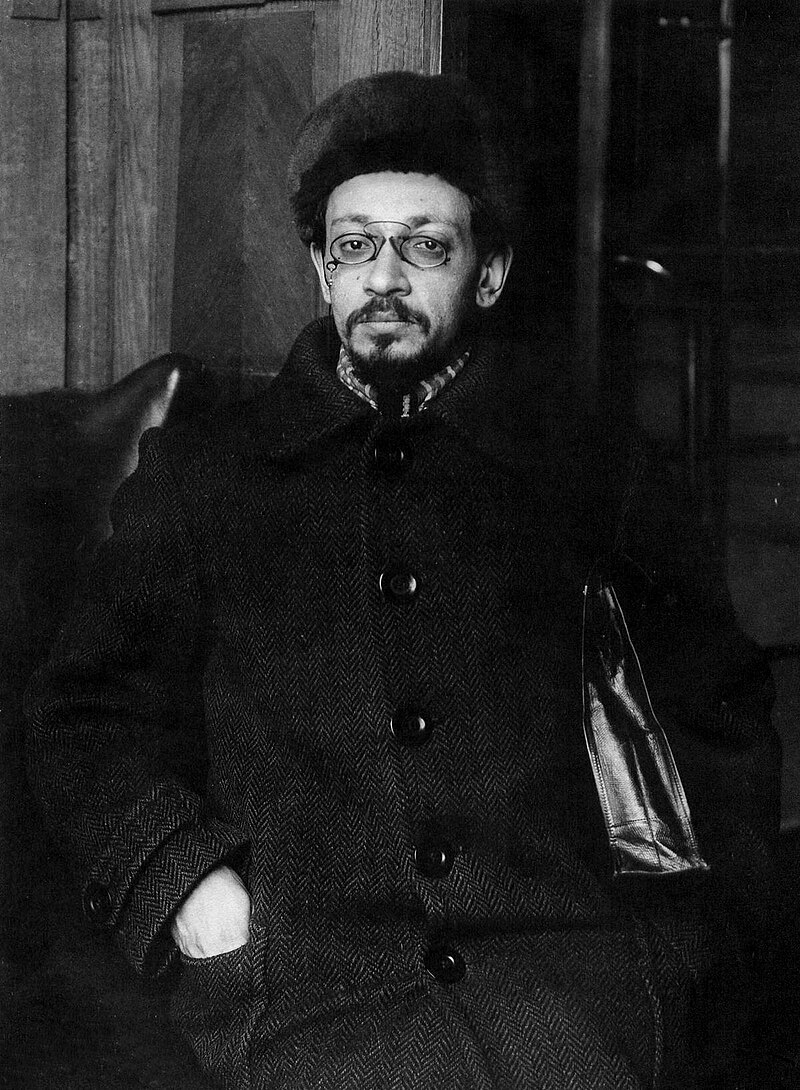
Yakov Sverdlov (1885–1919) was a key figure in the Russian Revolution, known for his organizational skills within the Bolshevik party. As the first head of the Soviet state, he played an essential role in consolidating power and developing the party-state structure. His early death curtailed a potentially significant political legacy.
-

Leon Trotsky’s “Leon Trotsky Presents the Living Thoughts of Karl Marx” provides a dynamic introduction to Marxist thought, emphasizing historical materialism and the labor theory of value. Written in exile, Trotsky combines pedagogical and polemical tones, urging readers to view Marxism as a living method for social transformation rather than a static doctrine.
-

Hosea Hudson (1898–1988) was a significant African American Communist leader and labor activist in the mid-20th century. His life highlights the intersection of race, class, and political radicalism. Despite facing repression, he organized Black workers and contributed to labor movements, leaving a legacy that connects Black struggle to broader socialist politics.
 Letters from Tomis