Communism
-

Ruth Fischer was a pivotal figure in the early European communist movement and a leader of the German Communist Party during the Weimar Republic. Her contributions reflected the tensions within revolutionary Marxism. After her expulsion from the KPD, she became an anti-Stalinist critic, publishing significant works. Fischer’s legacy illustrates the complexities of 20th-century revolutionary politics.
-

Alfred Rosmer (1877–1964) was a key yet overlooked figure in early 20th-century socialist movements. A French trade unionist and anti-war activist, he evolved from anarcho-syndicalism to Bolshevism and Trotskyism. His legacy includes advocating for workers’ internationalism, historical scholarship, and principled opposition to Stalinism, reflecting essential revolutionary struggles.
-

Benjamin Jefferson Davis Jr. (1903–1964) was an influential African American lawyer and Communist activist who served on the New York City Council. His legal work challenged Jim Crow laws, and he became prominent in leftist politics. Convicted under the Smith Act, Davis continued advocating for civil rights until his death, leaving a significant legacy.
-
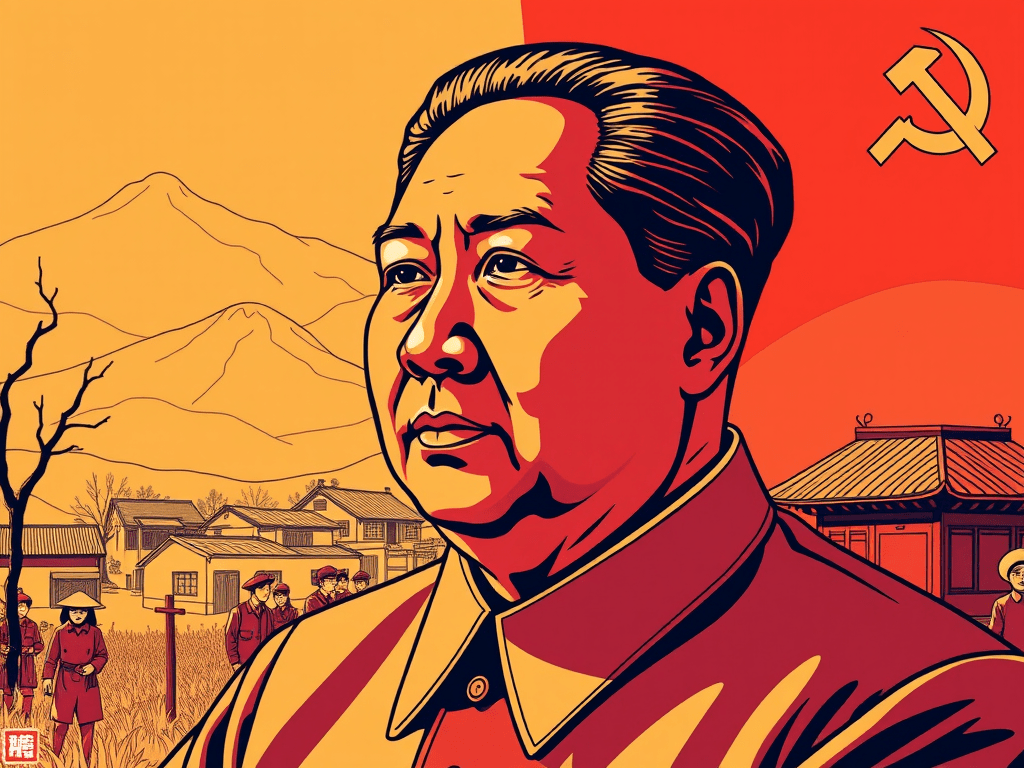
The Chinese Communist Party (CCP) underwent significant ideological evolution under Mao Zedong from 1921 to 1976, adapting Marxism-Leninism to Chinese realities. Key innovations included Mao Zedong Thought, the Mass Line, peasant-centered revolution, and democratic centralism. These concepts shaped the CCP’s strategies, aimed at socialist construction, continuous class struggle, and integrating theory with practice.
-

The Fourth International, founded in 1938 by Trotskyists, aimed to unite Marxists for global revolution against Stalin’s Comintern. Despite its revolutionary ambitions, it faltered due to adverse conditions post-World War II, internal divisions, and repression. Its legacy persists today in various Trotskyist groups, still advocating international socialism.
-

Frida Kahlo (1907–1954) was a prominent Mexican artist known for her self-portraits that explored identity, gender, and class struggle through a socialist lens. Influenced by her tumultuous life experiences, marriage to Diego Rivera, and communist activism, her politically charged works critique capitalism and imperialism, solidifying her legacy as a cultural icon.
-
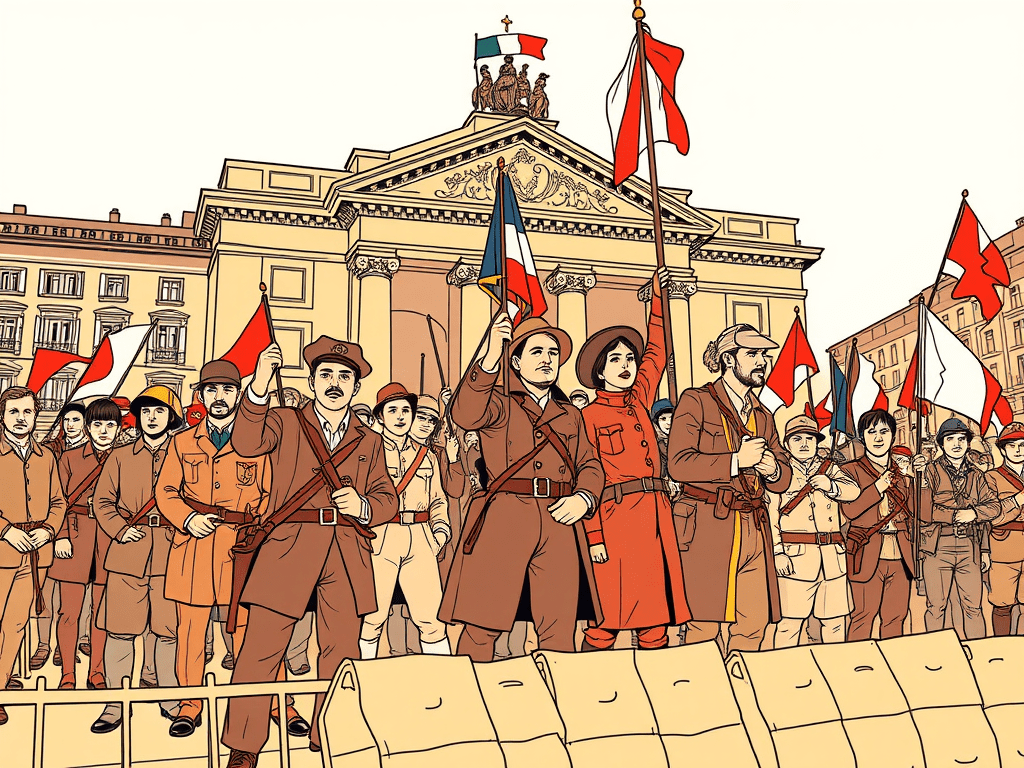
The Paris Commune of 1871 was a pivotal workers’ uprising that resulted in a revolutionary government led by laborers and radicals. Lasting only two months, it implemented radical reforms like council democracy and social welfare. Although brutally suppressed, its legacy continues to inspire socialist movements, illustrating the potential for proletarian self-governance and revolutionary action.
-
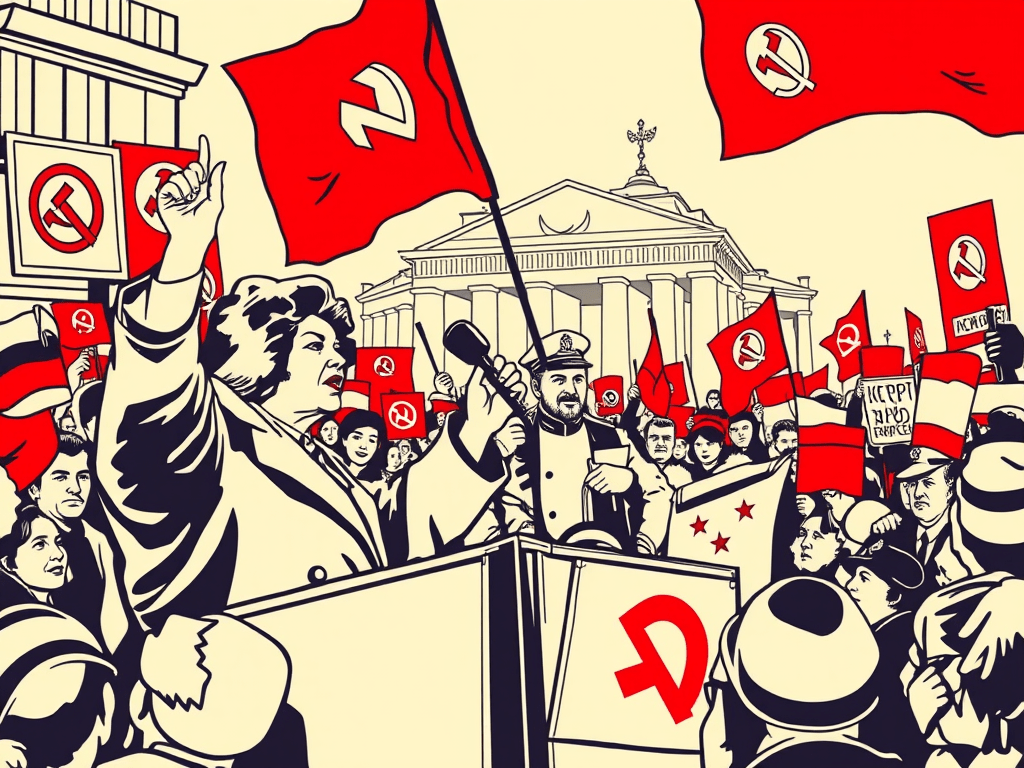
The German Communist Party (KPD) was founded in 1918, evolving through revolutionary turmoil and ideological shifts, primarily influenced by Luxemburgism and Marxism-Leninism. It ultimately faced repression under the Nazis and later transformed into the Socialist Unity Party in East Germany, while being banned in West Germany. The KPD’s complex legacy reflects its commitment to socialism,…
-

James Patrick Cannon (1890–1974) was a key figure in American socialism and Trotskyism. He co-founded the Communist Labor Party and later the Socialist Workers Party (SWP), advocating for revolutionary organizing and anti-Stalinism. His legacy, including influential writings and prison correspondence, significantly shaped the American left’s strategies and understanding.
-
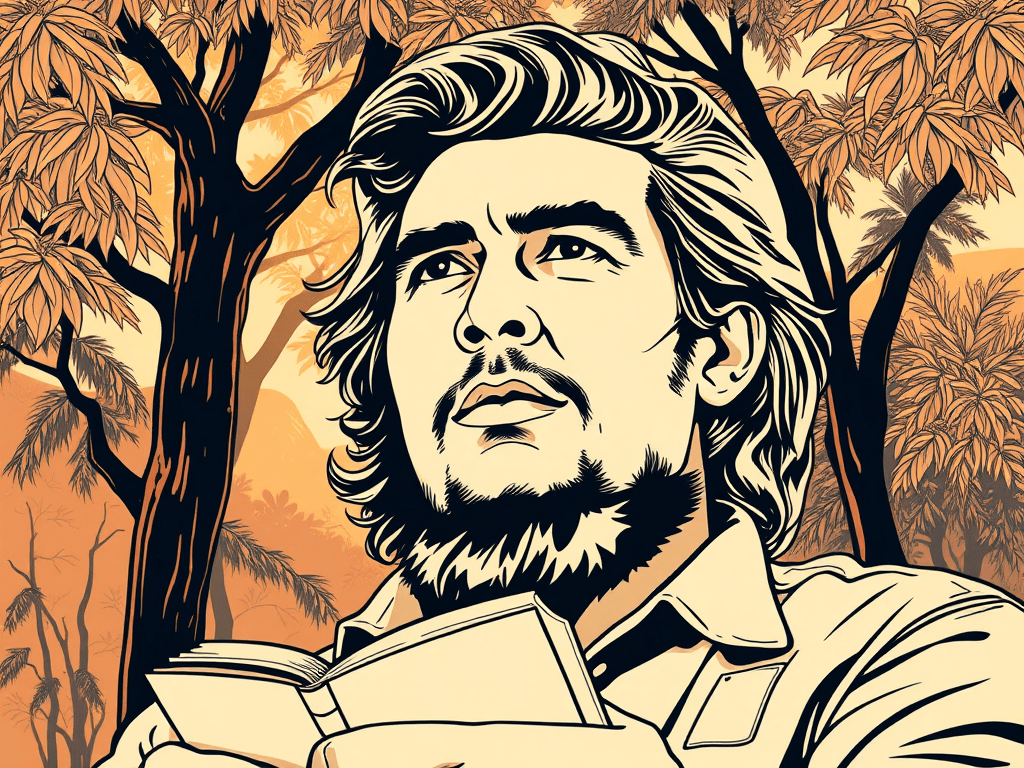
Ernesto Guevara’s “Socialism and Man in Cuba” is a pivotal essay that articulates a humanist vision of revolutionary socialism. It emphasizes moral transformation, collective commitment, and the concept of the “new man,” advocating for a socialism rooted in ethical engagement rather than materialism. Guevara’s insights remain relevant today, inspiring ongoing social justice and socialist movements.
 Letters from Tomis