Communism
-
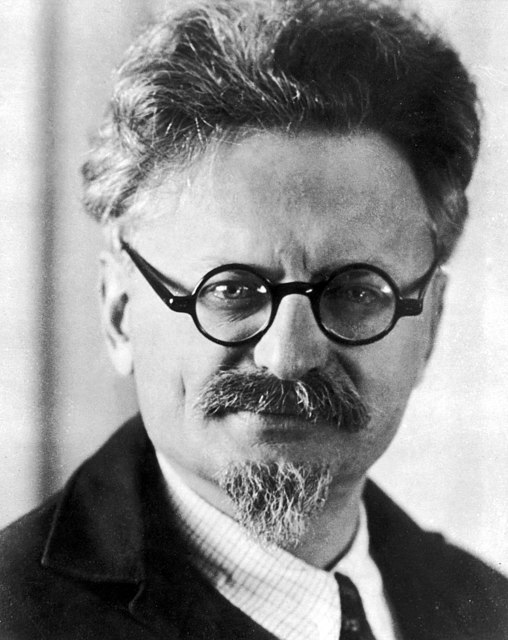
The content highlights Leon Trotsky’s significant contributions as a Marxist revolutionary and theorist. A key figure in the Russian Revolution and the founder of the Red Army, Trotsky opposed Stalin’s bureaucratic regime before his exile and assassination in 1940. His influential works continue to shape socialist thought and historical analysis.
-

Dialectical materialism, rooted in Marxist philosophy, interprets societal change through material contradictions within economic systems. While acknowledging its limitations and critiques, this framework remains relevant in addressing modern challenges like climate change and digital monopolies. Embracing its insights, without rigid dogma, is essential for understanding and navigating our rapidly evolving world.
-
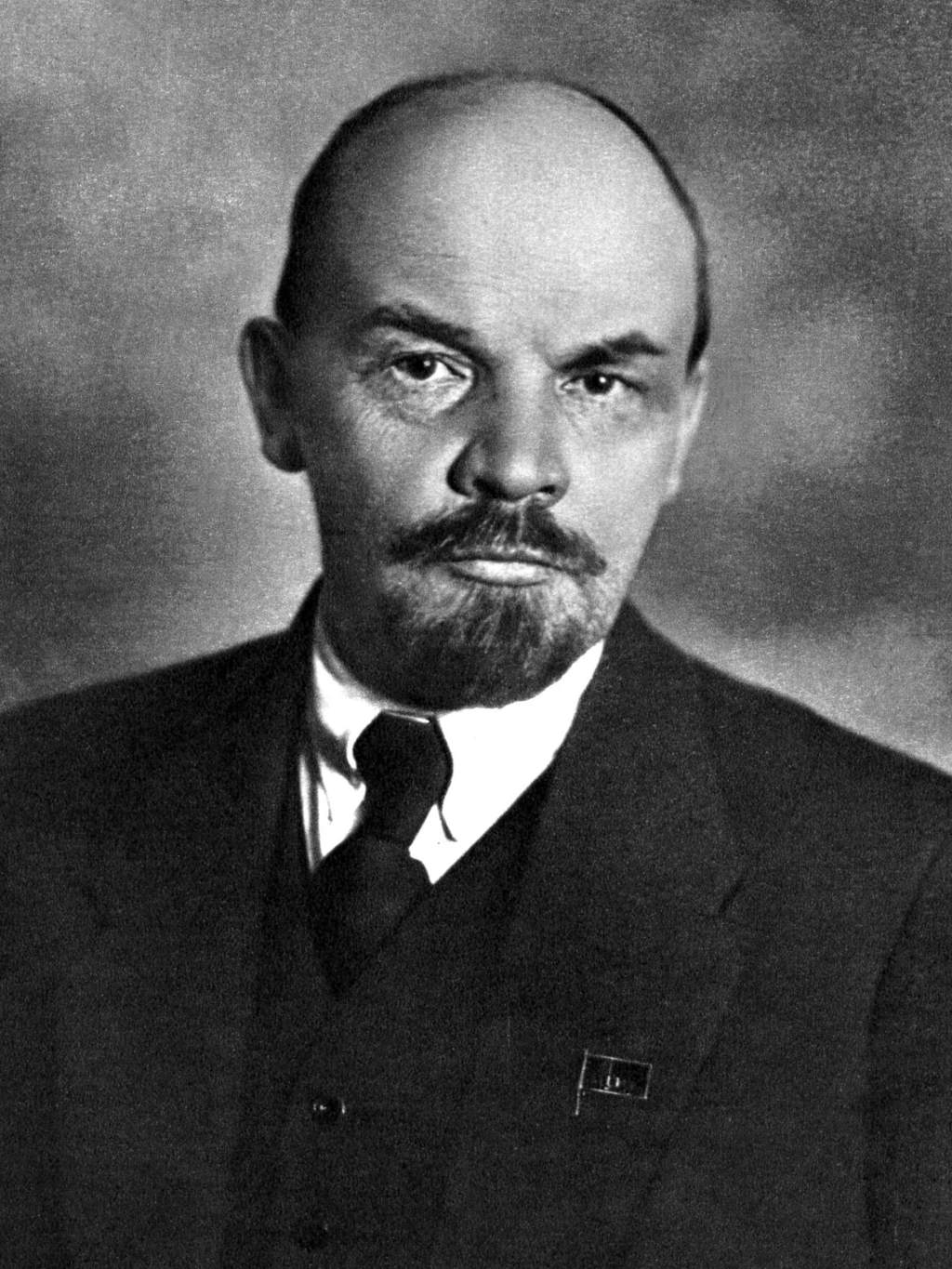
This post reflects on Lenin’s significant contributions to socialism, highlighting his leadership in the Russian Revolution and the establishment of the Soviet Union. His theories on class struggle and imperialism have influenced global socialist movements, and his legacy continues to spark debates on governance, economics, and social justice in contemporary discourse.
-
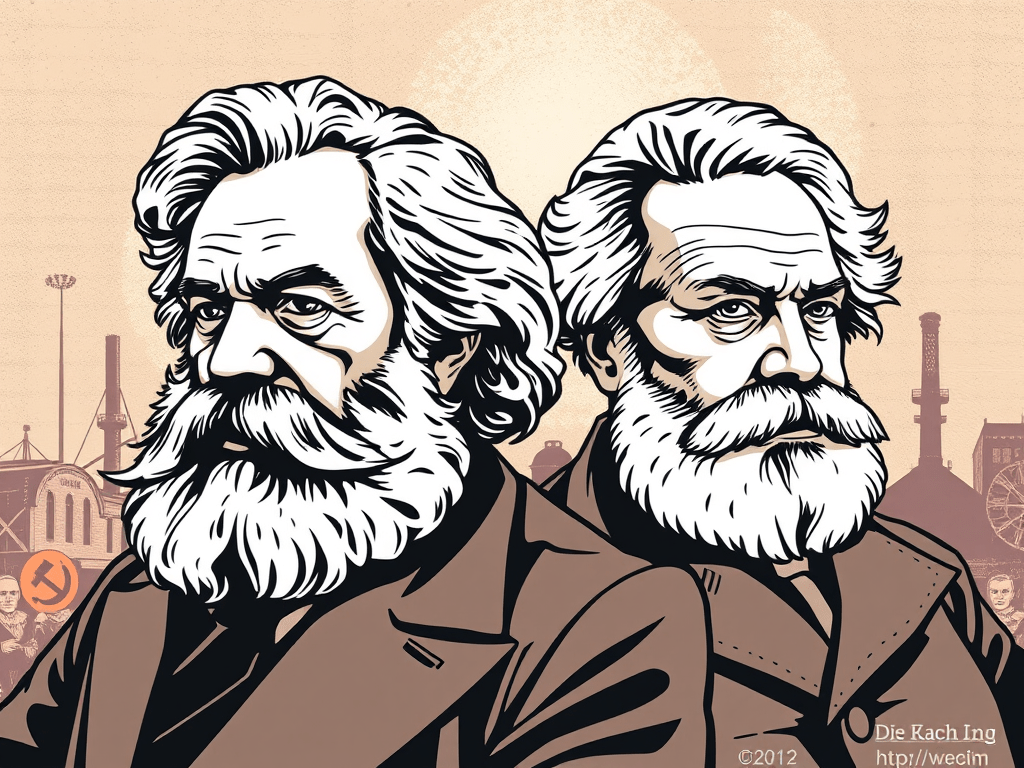
Karl Marx and Friedrich Engels revolutionized political thought by emphasizing materialism and the dynamics of history rooted in economic realities. They critiqued utopian socialism, arguing capitalism’s inherent contradictions would lead to its downfall. Their insights into ideology became foundational for later critique, challenging society’s structures and urging responsibility in transforming the world.
-
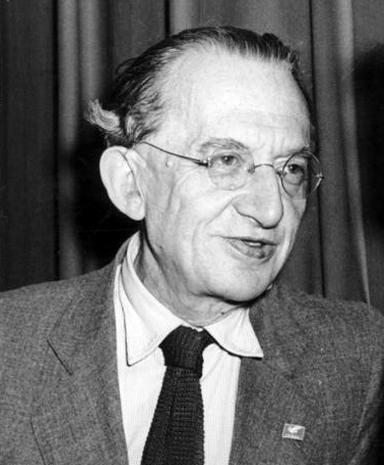
Georg Lukács, a prominent Hungarian Marxist philosopher, significantly influenced 20th-century Marxist theory with concepts like reification and class consciousness. His key works include “History and Class Consciousness,” where he explored the alienation of modernity. Engaging critically with Marxism, Lukács’s legacy informs contemporary debates on capitalism, alienation, and revolutionary change.
-

Rosa Luxemburg, a prominent Marxist revolutionary, fought for socialism during the turbulent early 20th century. Born in Poland, she became an influential theorist in Germany, opposing capitalism and militarism. Her life was marked by activism, imprisonment, and ultimately assassination in 1919. Luxemburg’s ideas continue to inspire social justice movements today.
-

Friedrich Engels’ Anti-Dühring critically examines Eugen Dühring’s theories while expounding Marxist thought. Through its structured approach, the book elucidates dialectical and historical materialism, addressing socialism’s scientific basis. Engaging and relevant, it has shaped socialist movements and offers essential insights into class struggle and societal transformation. A must-read for understanding socialism.
-
Rosa Luxemburg’s Reform or Revolution, written in 1899, critiques revisionist socialism, emphasizing that reforms cannot resolve capitalism’s inherent contradictions. Luxemburg advocates for revolutionary action as essential for achieving social justice, presenting a thoughtful interplay between reform and revolution. Her passionate arguments urge a collective struggle for a world beyond capitalism.
-

The shooting of the UnitedHealthcare CEO highlights the moral decay of a society rife with contradictions of late capitalism. This act reveals systemic injustices, as capitalism’s legal framework obscures exploitation. Violence is not a solution but a symptom of despair, stemming from a healthcare system that prioritizes profit over human life.
-
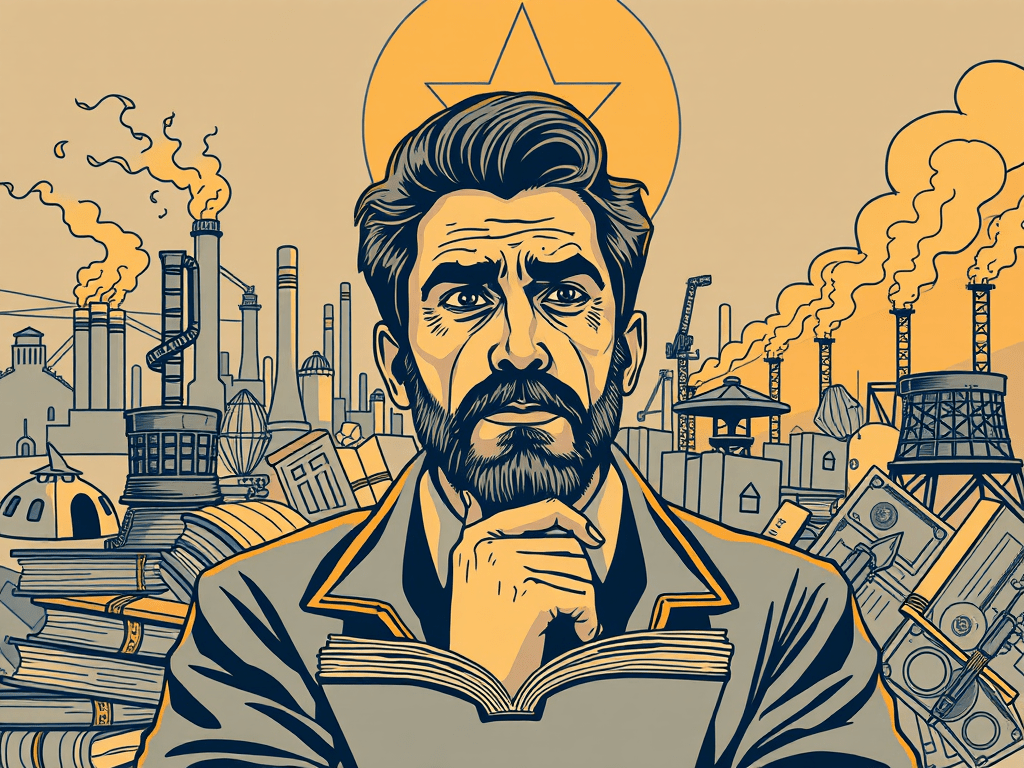
Declaring oneself a Marxist today invites skepticism due to historical misuses of Marxism. However, the author embraces a critical and ethical Marxism that critiques power structures and capitalism’s inherent contradictions. This perspective promotes human dignity, challenges the status quo, and insists on the necessity of exploring alternatives to injustice and inequality.

