Communism
-
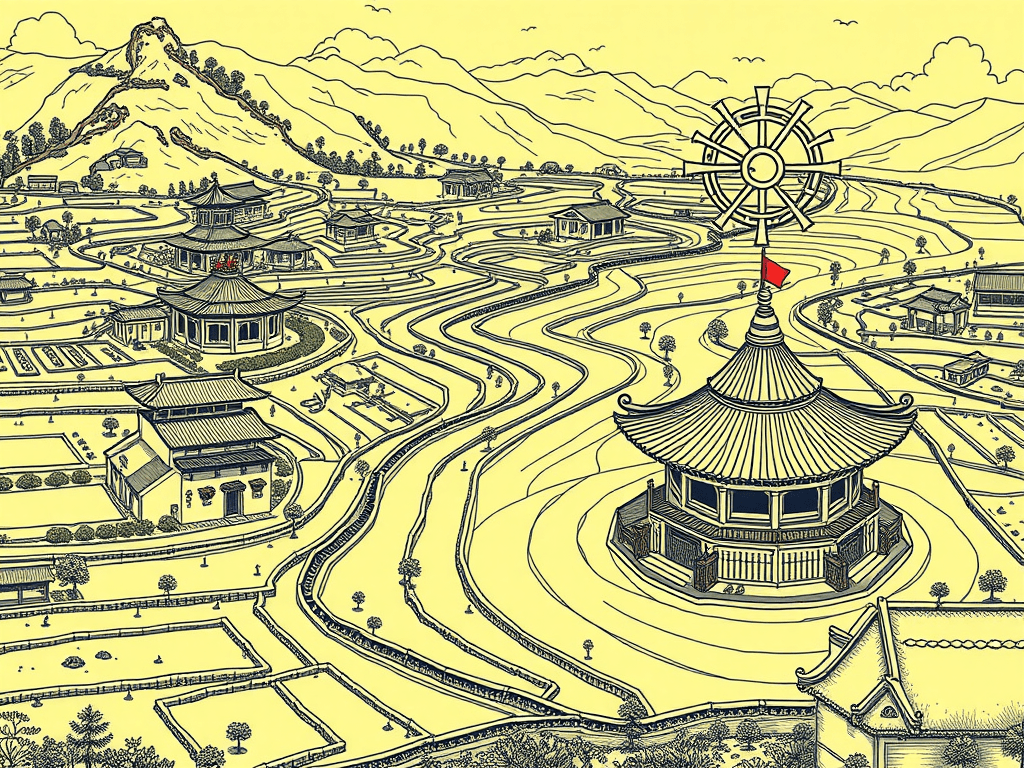
I reflect on Karl Marx’s concept of the Asiatic mode of production (AMP) after reading What is Marxism. Unlike feudal and capitalist systems, the AMP features centralized state control and lacks dynamic class struggles, rendering it a marginal idea in Marx’s work. The critique of contemporary authoritarianism, however, reinvigorates its relevance today.
-

Luís Carlos Prestes, a Brazilian revolutionary and military leader, significantly impacted the fight for social justice. He led the Prestes Column in the 1920s, became a prominent figure in the Communist movement, and suffered imprisonment after a failed uprising against Getúlio Vargas. Prestes’ legacy endures in Brazil’s political landscape.
-
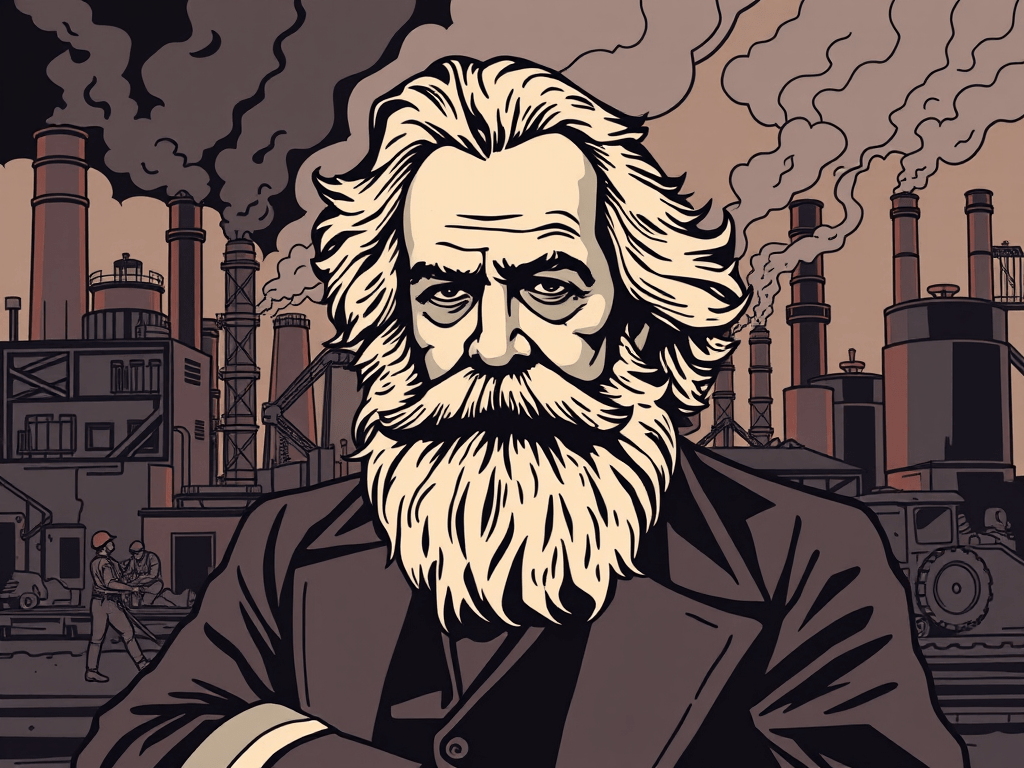
This reflection on historical materialism, inspired by What is Marxism by Sewell and Woods, explores class as a driving force in societal evolution. Marx’s view of class transcends economic status, focusing on relationships to production and the exploitation inherent in capitalism. It emphasizes the importance of class consciousness in revolutionary change and critiques contemporary misunderstandings…
-
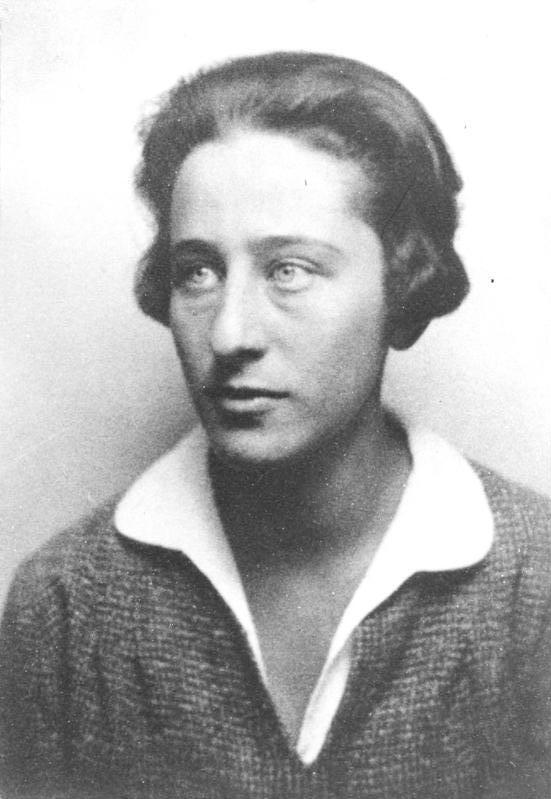
Olga Benário, born in 1908 in Munich, became a notable communist activist after joining the Communist Party of Germany. Her efforts in revolutionary movements led her to Brazil, where she worked alongside Luís Carlos Prestes. Captured and deported to Nazi Germany, she faced persecution and ultimately was executed in 1942. Her legacy symbolizes courage against…
-
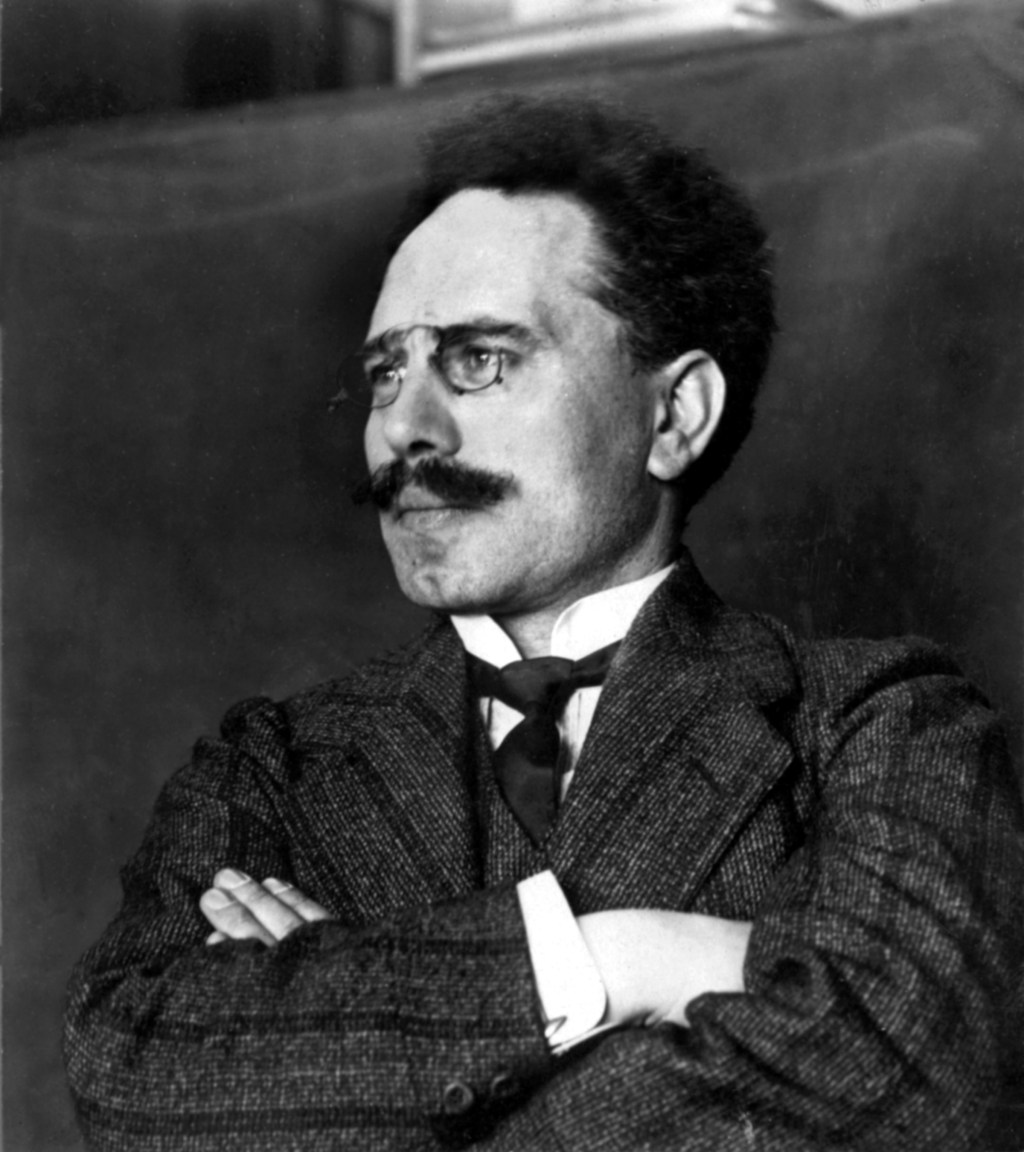
The text highlights the legacy of Karl Liebknecht and Rosa Luxemburg as symbols of socialist resistance against capitalism and militarism. Their contributions to political activism and critical theory have inspired future generations. Despite personal flaws, they embody the ongoing struggle for justice, equality, and workers’ rights, making them enduring figures in socialist history.
-
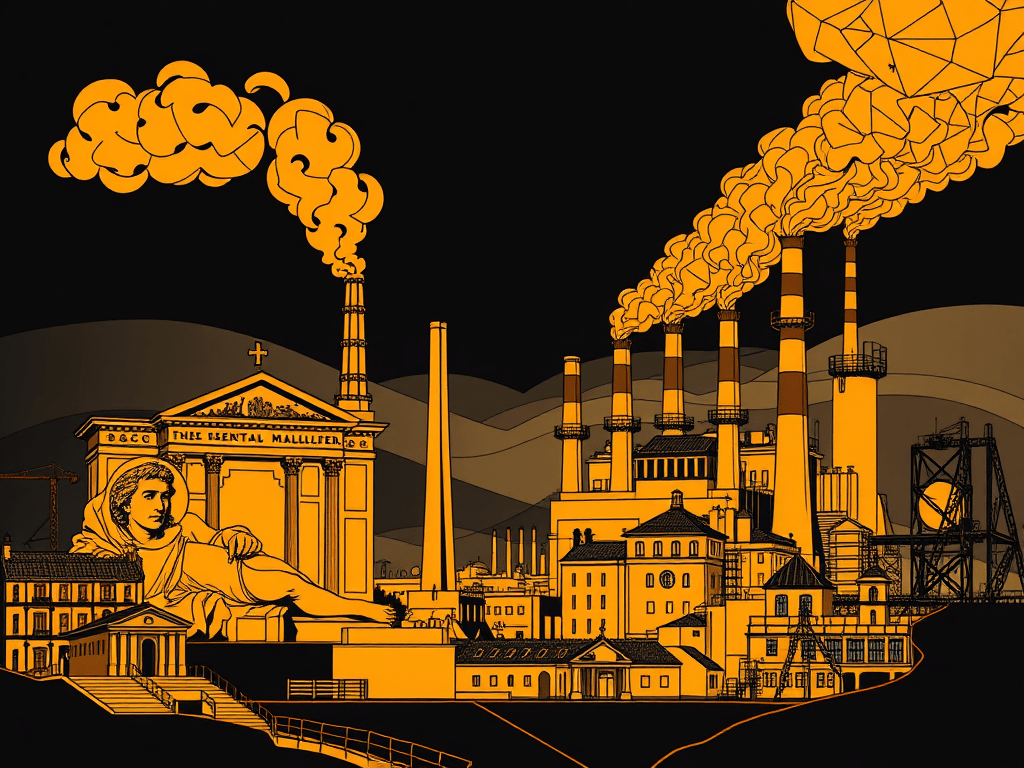
The Marxist perspective on art challenges traditional notions of artistic genius by positioning art within the material conditions and social relations of its time. It asserts that art not only reflects societal contradictions but can also inspire change. This interplay of freedom and constraint underscores art’s complex role in shaping consciousness and society.
-
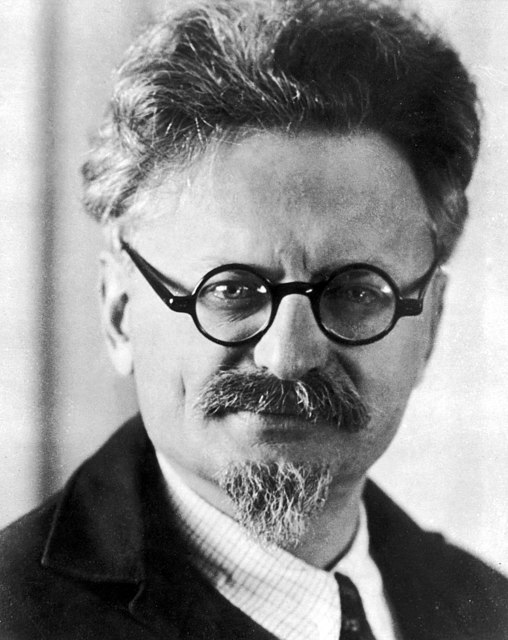
The content highlights Leon Trotsky’s significant contributions as a Marxist revolutionary and theorist. A key figure in the Russian Revolution and the founder of the Red Army, Trotsky opposed Stalin’s bureaucratic regime before his exile and assassination in 1940. His influential works continue to shape socialist thought and historical analysis.
-

Dialectical materialism, rooted in Marxist philosophy, interprets societal change through material contradictions within economic systems. While acknowledging its limitations and critiques, this framework remains relevant in addressing modern challenges like climate change and digital monopolies. Embracing its insights, without rigid dogma, is essential for understanding and navigating our rapidly evolving world.
-
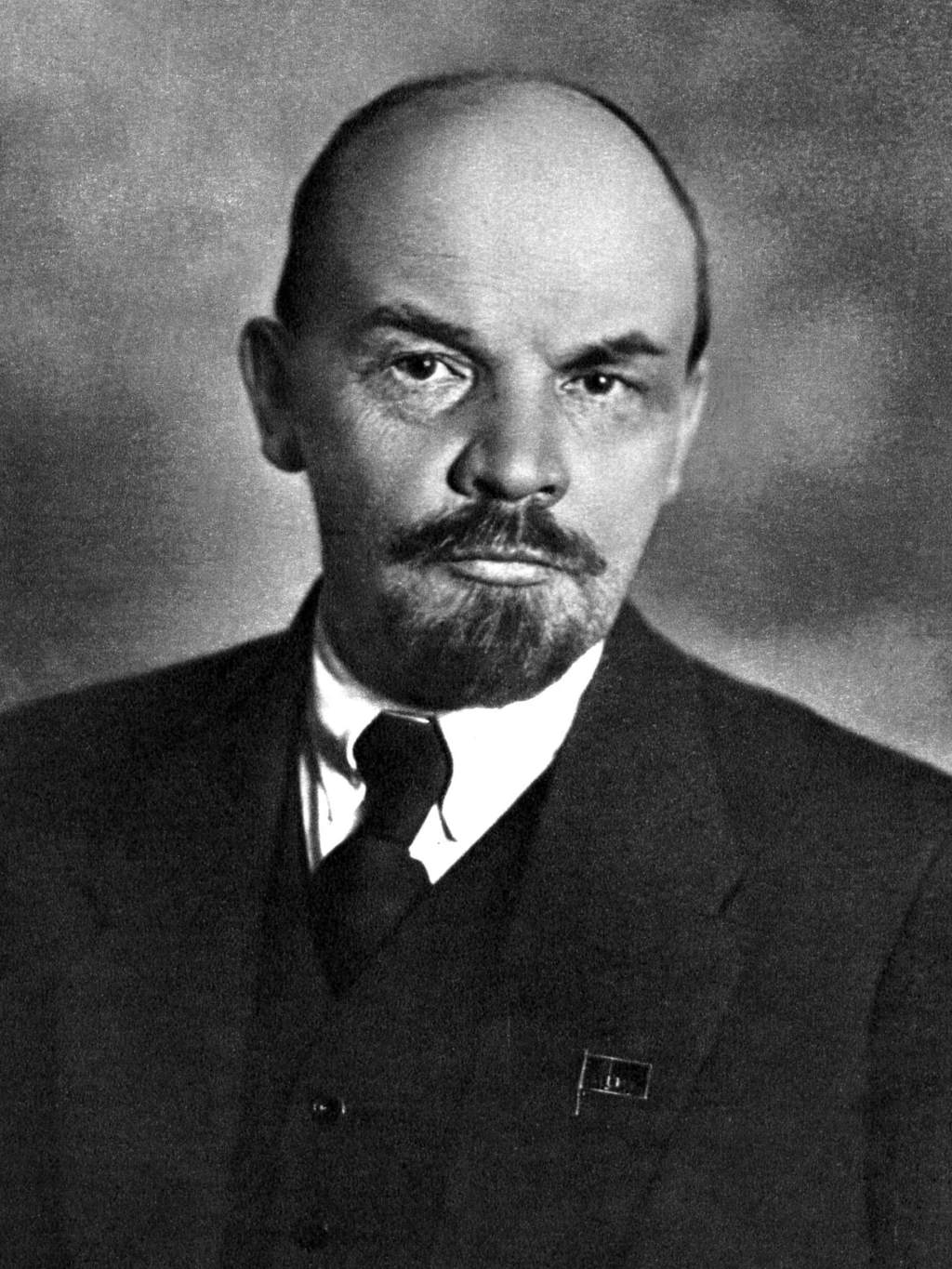
This post reflects on Lenin’s significant contributions to socialism, highlighting his leadership in the Russian Revolution and the establishment of the Soviet Union. His theories on class struggle and imperialism have influenced global socialist movements, and his legacy continues to spark debates on governance, economics, and social justice in contemporary discourse.
-
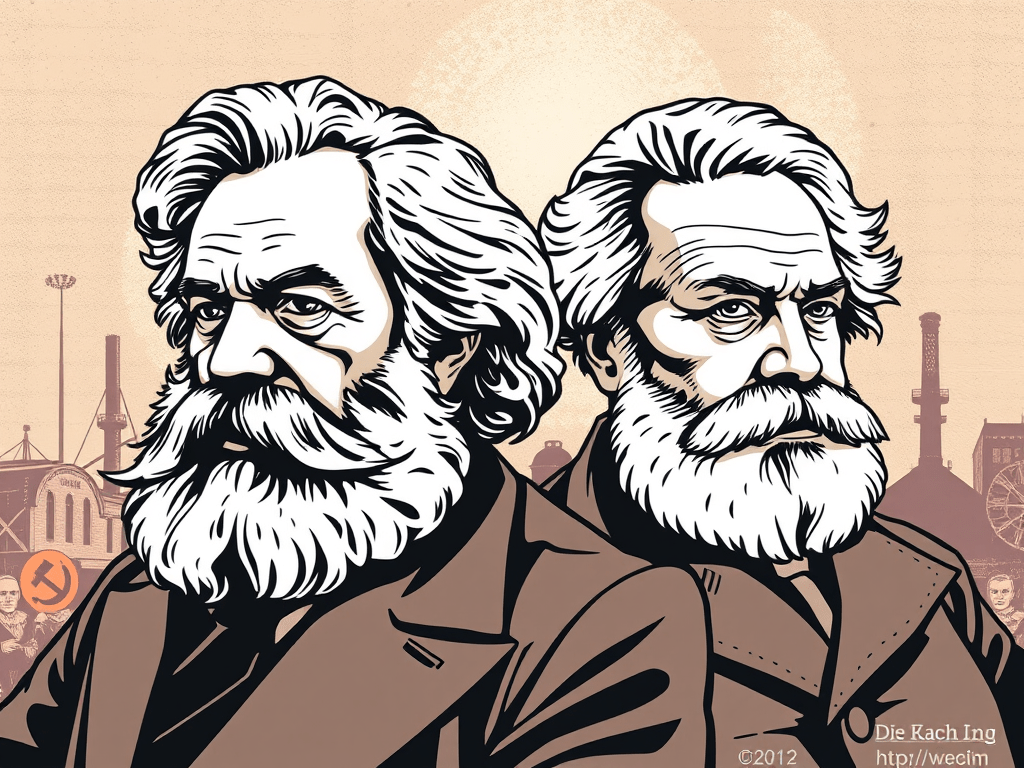
Karl Marx and Friedrich Engels revolutionized political thought by emphasizing materialism and the dynamics of history rooted in economic realities. They critiqued utopian socialism, arguing capitalism’s inherent contradictions would lead to its downfall. Their insights into ideology became foundational for later critique, challenging society’s structures and urging responsibility in transforming the world.
 Letters from Tomis