Communism
-
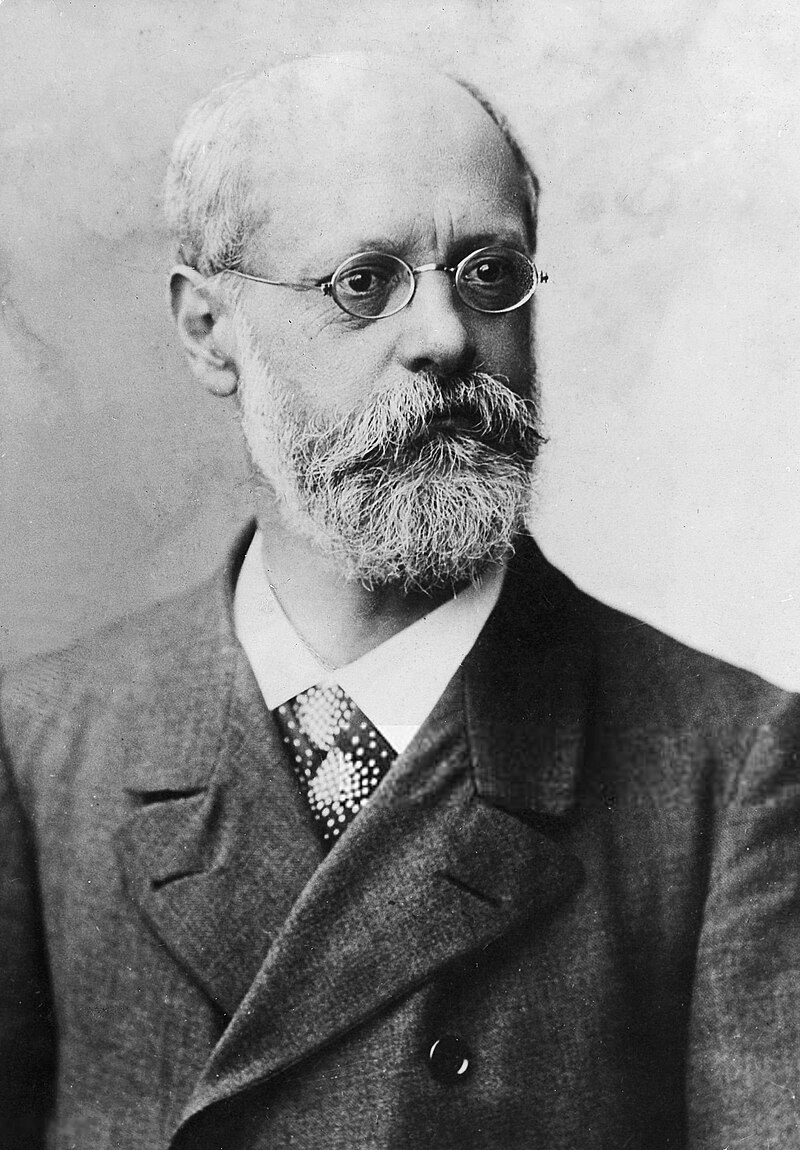
Karl Kautsky (1854–1938) was a pivotal figure in Second International Marxism, shaping orthodox Marxism during a transformative era. He engaged in debates about revolution and reform, criticized Bolshevik methods post-1917, and advocated for democratic socialism. His legacy reflects both the strengths and limitations of Marxist theory amid evolving socialist movements.
-
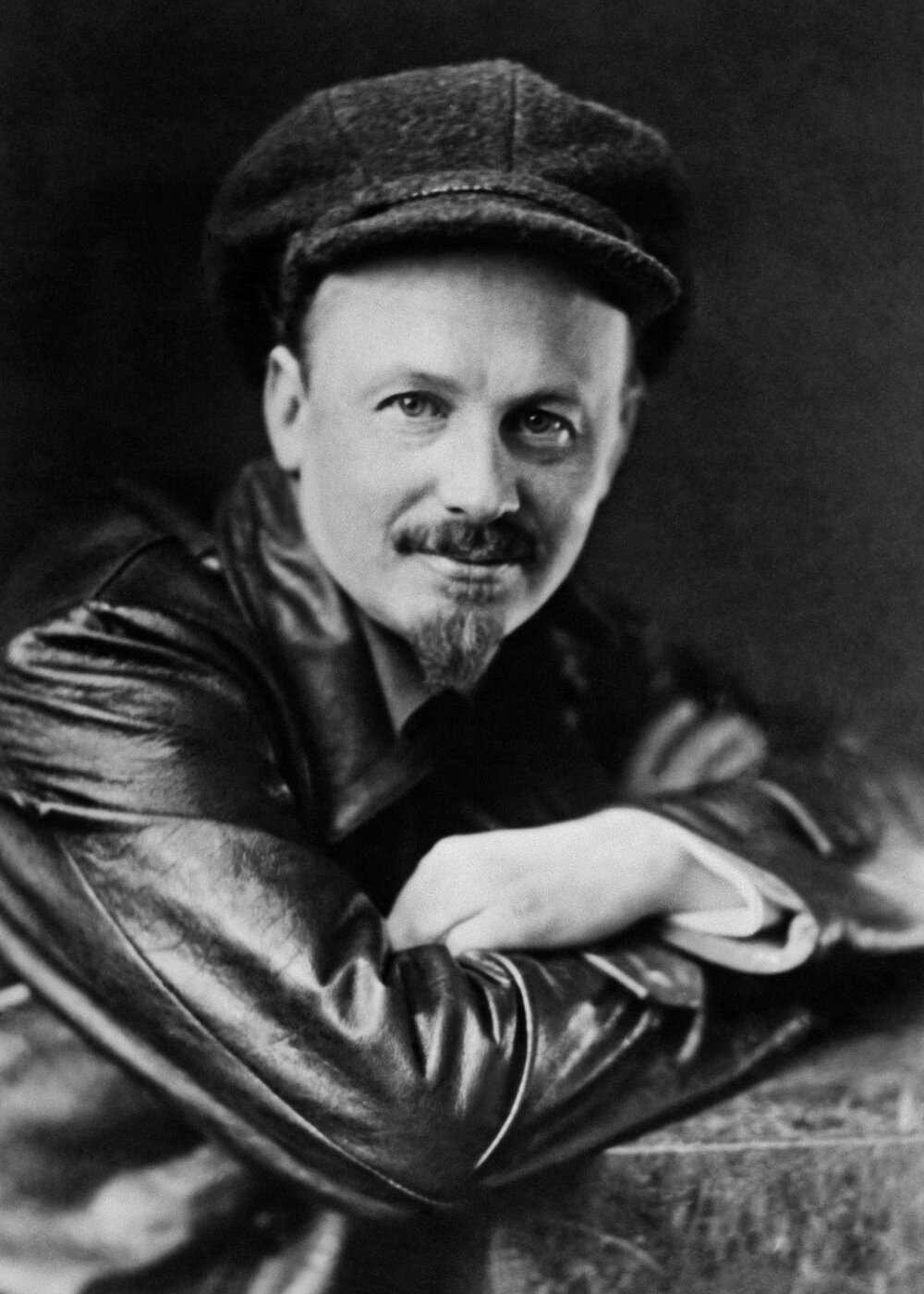
Stephen F. Cohen’s Bukharin and the Bolshevik Revolution offers a nuanced portrait of Nikolai Bukharin, portraying him as a significant Bolshevik strategist rather than merely a foil to Stalin. The book examines Bukharin’s theories and policy proposals amidst Soviet internal struggles, highlighting critiques of the NEP and the importance of peasant alliances, while acknowledging its…
-
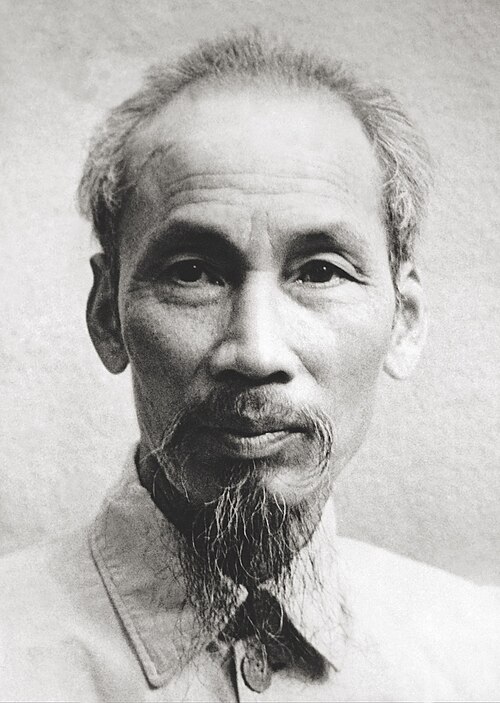
Ho Chi Minh, born Nguyễn Sinh Cung in 1890, was a Vietnamese revolutionary leader who combined nationalism with Marxism-Leninism. He led resistance against colonialism, proclaimed Vietnam’s independence in 1945, and became a pivotal figure in the Indochina and Vietnam Wars. His legacy is complex, blending achievements with significant internal repression.
-

Rob Sewell’s “Germany: From Revolution to Counter-Revolution” offers a concise, politically engaged retelling of the German revolutionary period, emphasizing leadership and mass agency. While it lacks original archival research and simplifies complex narratives, it effectively serves as an accessible pedagogical tool for revolutionary students and activists, stimulating critical reflection on historical events.
-
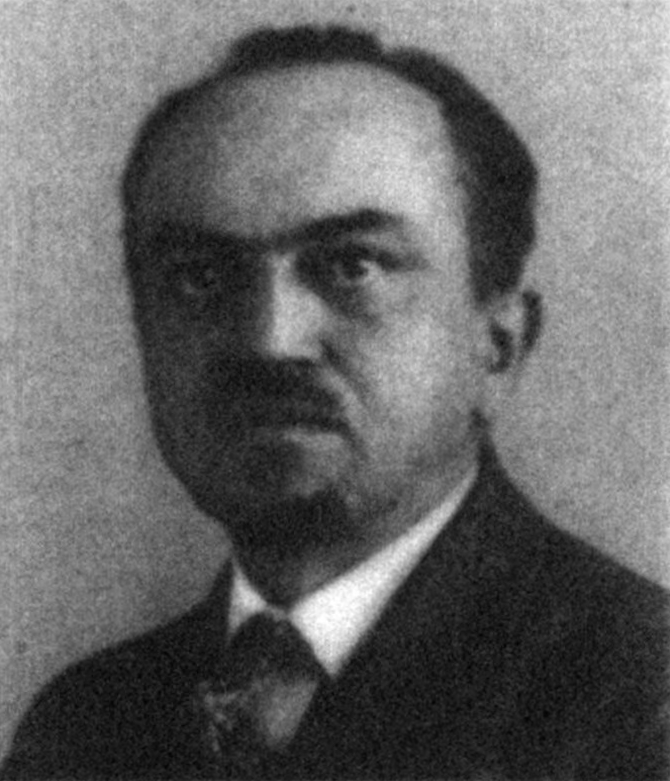
Paul Frölich, born in 1884, was a German Marxist journalist and theorist whose political journey reflects the revolutionary left’s challenges in the 20th century. A member of the Social Democratic Party and later the Communist Party, he critically analyzed class struggles, bureaucracy, and revolutionary democracy, leaving a significant scholarly legacy, especially with his biography of…
-
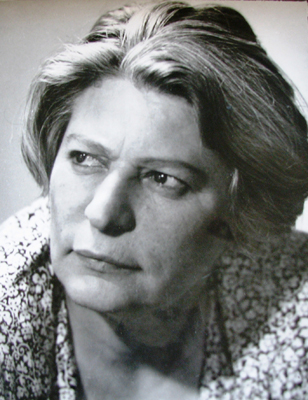
Ana Pauker was a key figure in Romanian communism, born in 1893 into a Jewish family. She played a pivotal role in postwar Romania’s political transformation, becoming the first woman foreign minister. Her legacy is complex, marked by agency and dependency within Stalinism, gender dynamics, and the Jewish question, leading to her eventual purging in…
-
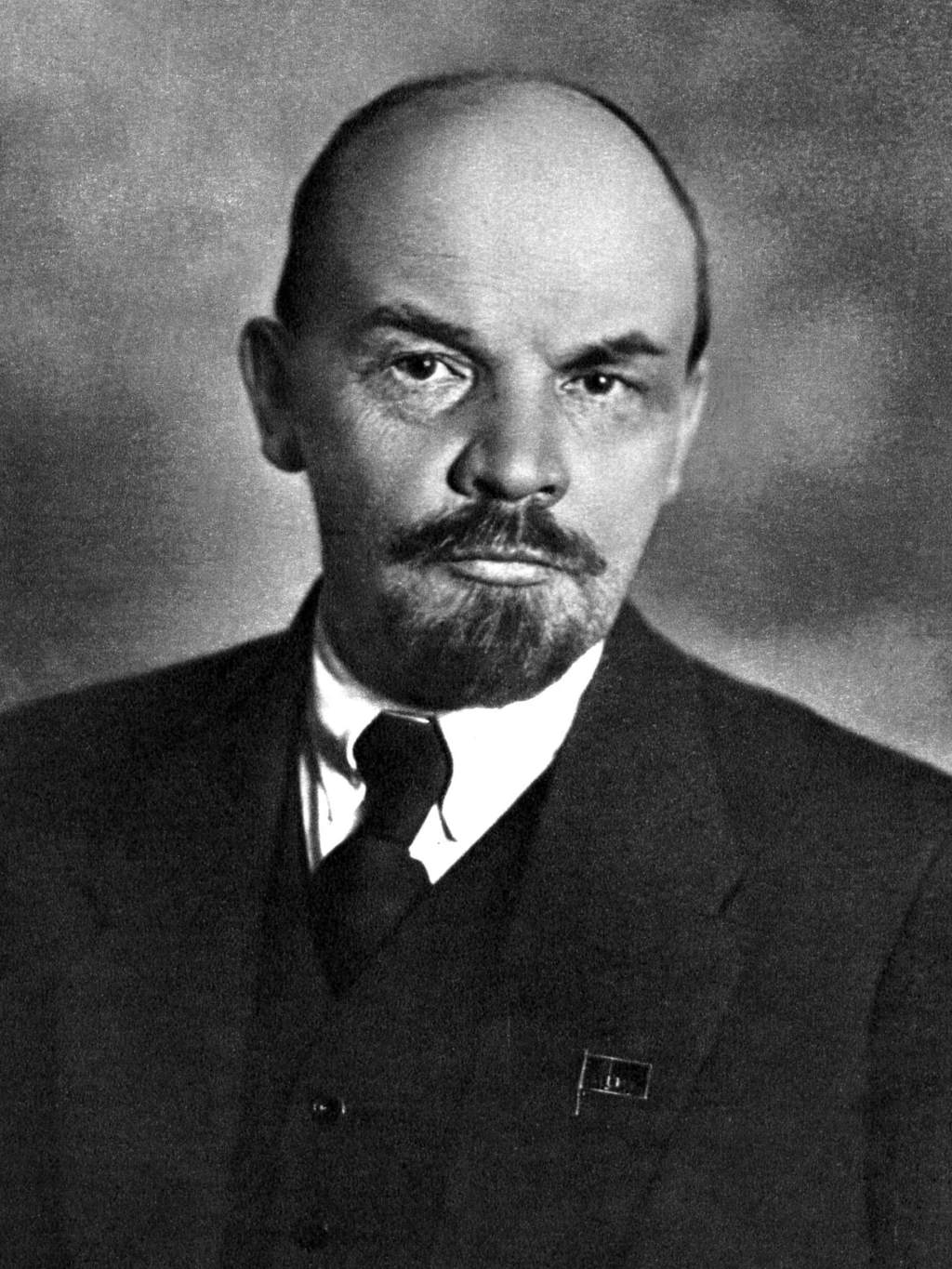
Vladimir Lenin’s “Left-Wing Communism: An Infantile Disorder” critiques sectarianism and ultraleftism within revolutionary movements post-October Revolution. It emphasizes the necessity for tactical flexibility, engagement with existing institutions, and a dialectical relationship between the party and the masses. The work remains relevant for contemporary revolutionary practice and promotes disciplined, organized engagement in the struggle against capitalism.
-
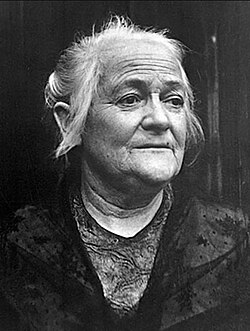
Klara Zetkin (1857–1933) was a revolutionary Marxist and feminist theorist, central to the socialist women’s movement. Advocating the link between class and gender oppression, she founded International Women’s Day and actively opposed war and fascism. Her legacy influences contemporary Marxist-feminist thought and gender-labor debates within socialism.
-
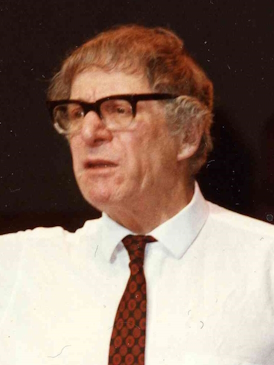
Ted Grant’s Selected Works, Vol. One presents his analyses of Stalinism and the Soviet Union’s class nature, emphasizing “proletarian Bonapartism.” Edited by Steve Iverson, this volume merges historical case studies with theoretical clarity, making it relevant for contemporary Marxist debates. However, it has limitations in empirical scope and cultural analysis.
-
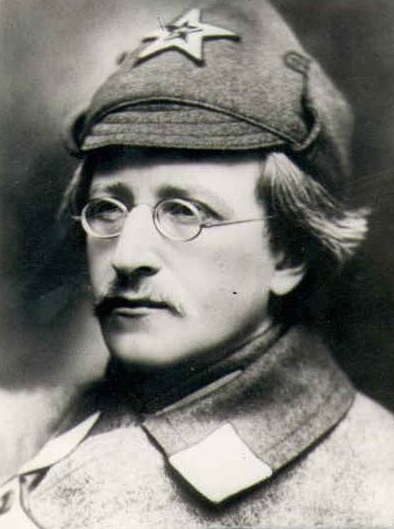
Vladimir Antonov-Ovseenko was a key figure in the early Soviet era, transitioning from soldier and Bolshevik organizer to diplomat and prosecutor. His roles included command in the Russian Civil War and serving as Consul General during the Spanish Civil War. He faced execution during Stalin’s purges but was posthumously rehabilitated.
 Letters from Tomis