Book Review
-

Tom Wolfe’s The Painted Word is a sharp critique of modern art, focusing on the shift from visual aesthetics to intellectual theories by influential critics. With humor and engaging storytelling, Wolfe exposes the absurdity of the art world, challenging elitism and encouraging readers to reconsider art’s role amidst cultural critiques.
-

Karl Marx’s Value, Price, and Profit is a foundational work on Marxist economic theory, presented as a speech in 1865. It critiques capitalism, explains exploitation through surplus value, and empowers the working class. Its accessible style and blend of theory with practical calls for action make it relevant for contemporary struggles for economic justice and…
-

Haruki Murakami’s Norwegian Wood, published in 1987, marks a shift from his typical magical realism to a poignant exploration of love, loss, and human connection. Set in 1960s Tokyo, it follows college student Toru Watanabe’s emotional struggles through a love triangle, addressing grief and mental health, though criticisms arise regarding characterization and gender dynamics.
-

Eric Hobsbawm’s The Age of Extremes: The Short Twentieth Century, 1914–1991 offers an incisive analysis of the tumultuous century, dividing it into three epochs: the Age of Catastrophe, the Golden Age, and the Crisis Decades. Hobsbawm integrates politics, culture, and economics, providing a global perspective and warnings about neoliberalism’s rise. It is a crucial read…
-

Charles Duhigg’s “Supercommunicators” presents engaging stories and practical communication skills but often feels superficial and overgeneralized. While it offers relatable anecdotes and accessible advice, it lacks depth, particularly regarding cross-cultural dialogue. Ultimately, the book serves as a light introduction to communication, but may not satisfy readers seeking profound insights.
-

Samantha Harvey’s novel “Orbital” explores personal journeys within a cosmic setting but struggles with execution. The lyrical prose often overshadows emotional depth, leaving characters feeling underdeveloped. While it touches on themes of isolation and connection, the uneven pacing and repetitive introspection ultimately detract from the narrative’s impact.
-
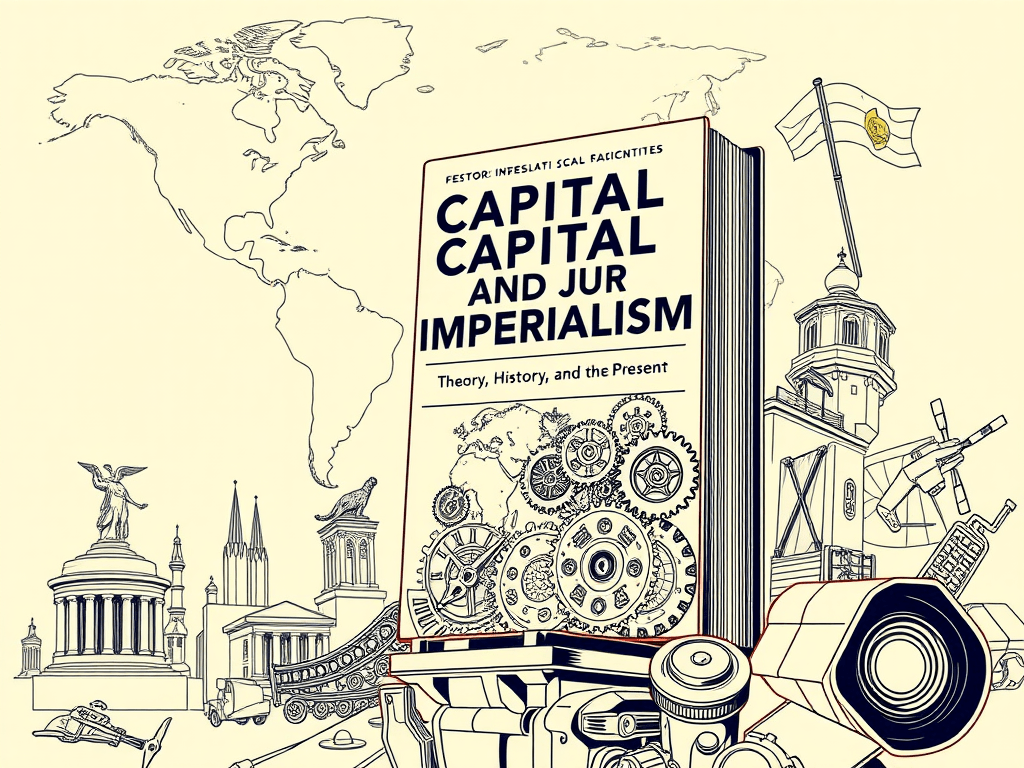
“Capital and Imperialism: Theory, History, and the Present” by Utsa and Prabhat Patnaik analyzes the connection between capitalism and imperialism, exploring their historical roots and contemporary implications. The authors provide accessible insights into global economic inequalities, emphasizing the ongoing exploitation from the Global South to the Global North and offering pathways toward a more equitable…
-
Jolande Jacobi’s The Psychology of C.G. Jung serves as a comprehensive introduction to Jungian ideas, balancing clarity and depth. Published in 1942, it covers key concepts like the psyche structure, archetypes, and individuation. While not critically evaluative, it effectively illustrates Jung’s methods and remains an essential resource for understanding analytical psychology.
-

Friedrich Engels’ Anti-Dühring critically examines Eugen Dühring’s theories while expounding Marxist thought. Through its structured approach, the book elucidates dialectical and historical materialism, addressing socialism’s scientific basis. Engaging and relevant, it has shaped socialist movements and offers essential insights into class struggle and societal transformation. A must-read for understanding socialism.
-

Rosa Luxemburg’s Reform or Revolution, written in 1899, critiques revisionist socialism, emphasizing that reforms cannot resolve capitalism’s inherent contradictions. Luxemburg advocates for revolutionary action as essential for achieving social justice, presenting a thoughtful interplay between reform and revolution. Her passionate arguments urge a collective struggle for a world beyond capitalism.

