Book Review
-
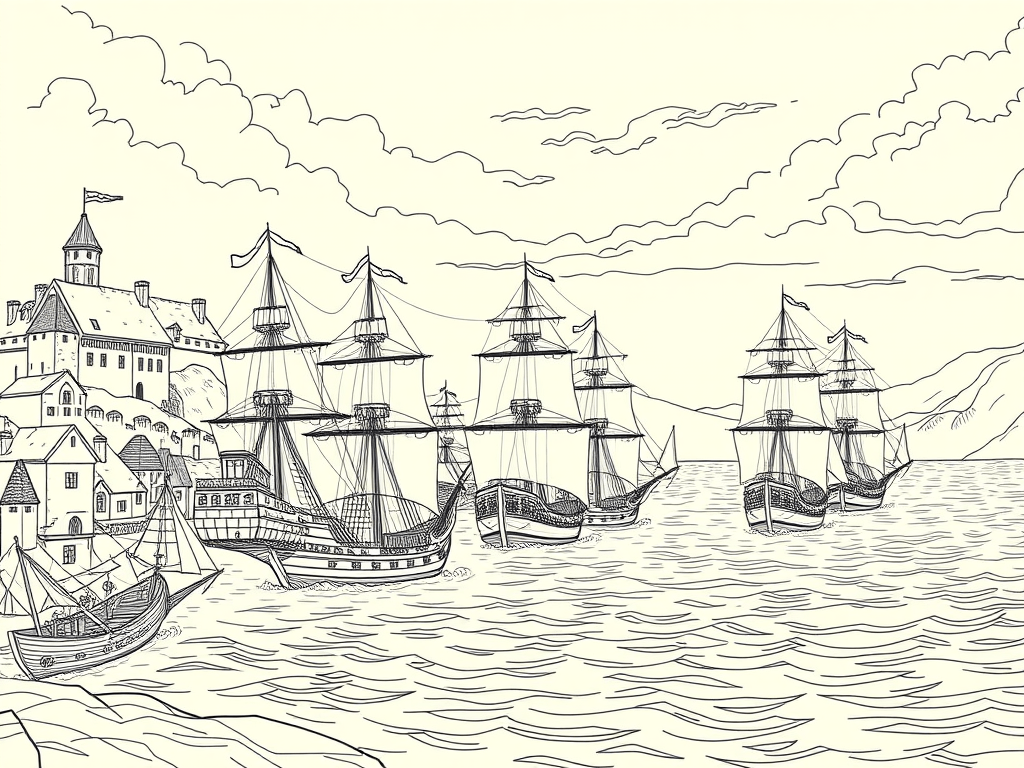
N. A. M. Rodger’s “The Safeguard of the Sea” is a seminal work in naval history, covering Britain’s maritime evolution from 660 to 1649. It critiques traditional narratives, emphasizing that naval prowess stemmed from complex socio-political dynamics rather than inevitability. The book successfully integrates various historical disciplines while revealing gaps in its cultural analysis.
-

In A Spectre, Haunting, China Miéville critically engages with The Communist Manifesto, viewing it as a vital text for contemporary radical thought. He employs rhetorical analysis and historical context, arguing for its relevance today. However, his work has limitations, such as superficial treatment of certain issues and a lack of clear post-capitalist proposals.
-

Émile Zola’s Le Rêve intricately balances naturalism, sentimentality, and religious idealism within the Rougon-Macquart cycle. Centered on Angélique and Félicien’s tragic love, it critiques patriarchal control and reveals determinism’s grip on dreams and desires. Ultimately, the novel explores the tension between scientific observation and spiritual transcendence, embodying a haunting complexity of human experience.
-
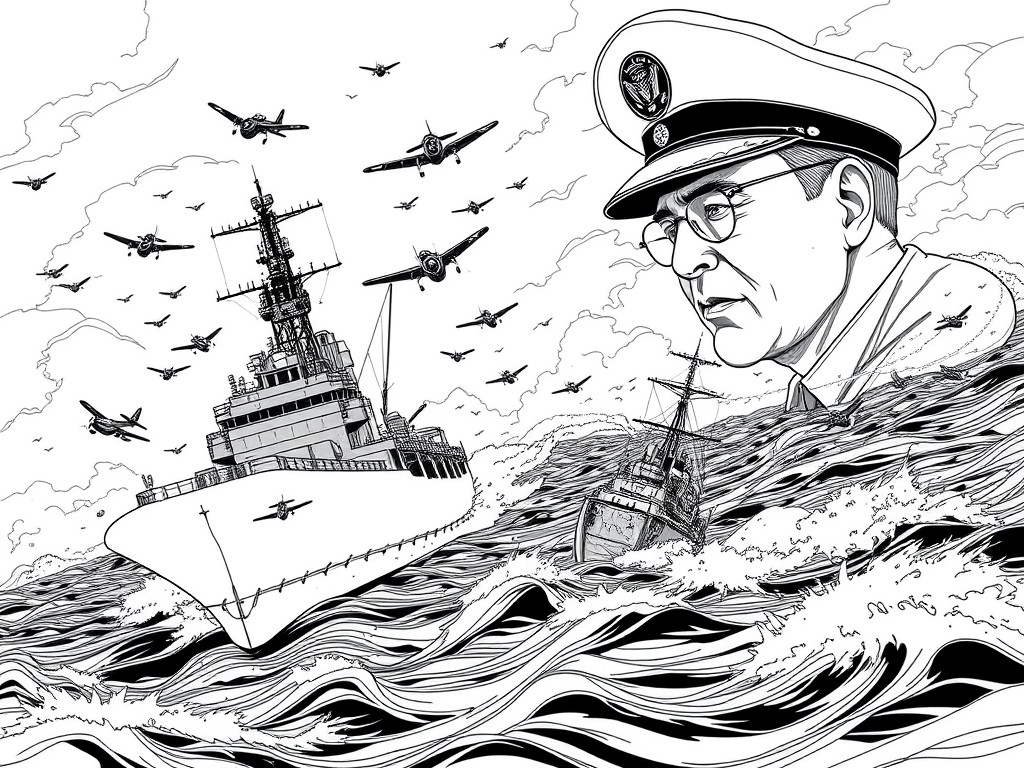
Ian W. Toll’s “Pacific Crucible” offers an analytical narrative of the Pacific War’s early stages, from Pearl Harbor to Midway. It successfully combines operational history, biography, and political economy, focusing on decision-making amidst uncertainty. While some global perspectives are underexplored, it remains an essential and accessible synthesis for both scholars and students.
-

Tony Harrison’s The Trackers of Oxyrhynchus interweaves fragments of a lost Sophocles play with modern narratives, exploring themes of high and low art and social class. Through rhyming couplets and satyr-play structure, it critiques cultural elitism while confronting accessibility issues. The work remains relevant in discussions of class and cultural representation.
-

Stephen F. Cohen’s Bukharin and the Bolshevik Revolution offers a nuanced portrait of Nikolai Bukharin, portraying him as a significant Bolshevik strategist rather than merely a foil to Stalin. The book examines Bukharin’s theories and policy proposals amidst Soviet internal struggles, highlighting critiques of the NEP and the importance of peasant alliances, while acknowledging its…
-
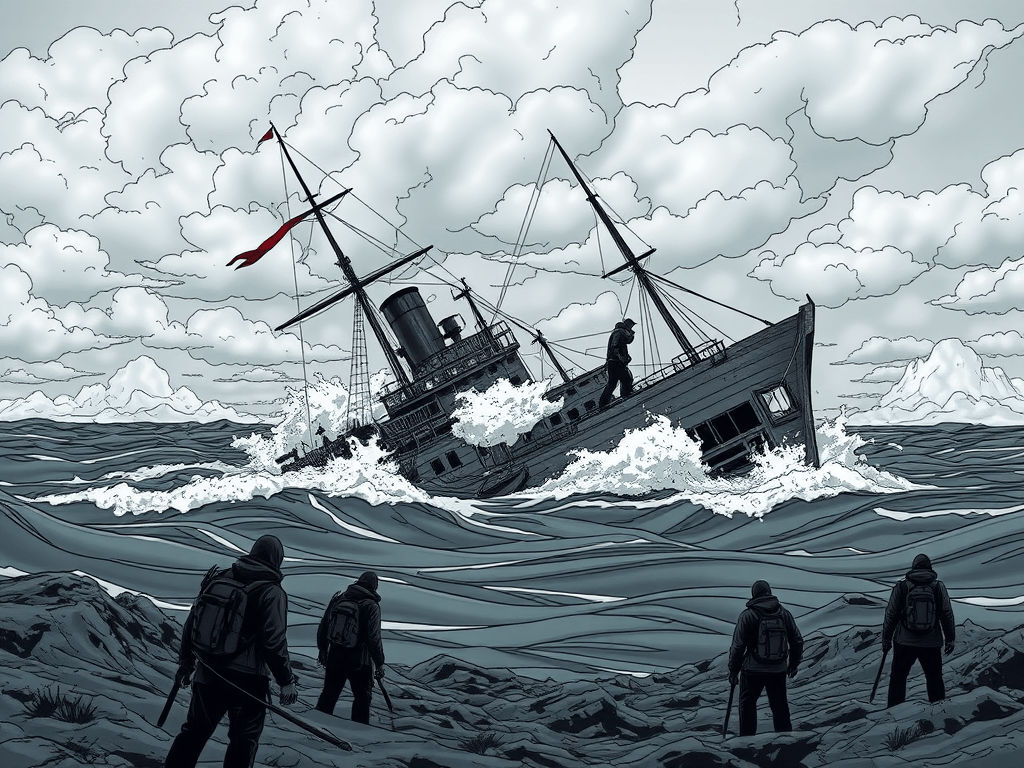
David Grann’s The Wager explores the 1741 shipwreck of HMS Wager, examining themes of authority, truth, and memory amid survival struggles. Through multiple survivor accounts, Grann critiques the politics of narrative in imperial contexts. While engaging, the book lacks indigenous perspectives and systemic analysis, raising important questions about historical storytelling.
-

Rob Sewell’s “Germany: From Revolution to Counter-Revolution” offers a concise, politically engaged retelling of the German revolutionary period, emphasizing leadership and mass agency. While it lacks original archival research and simplifies complex narratives, it effectively serves as an accessible pedagogical tool for revolutionary students and activists, stimulating critical reflection on historical events.
-

Dino Buzzati’s The Stronghold, newly translated by Lawrence Venuti, presents an allegorical critique of militarism and authoritarianism through the character of Giovanni Drogo, whose life exemplifies passive waiting. This translation emphasizes the political undercurrents of Buzzati’s narrative, provoking revolutionary interpretations of alienation, hierarchy, and systemic power.
-

Alan Woods’ Marxism and Anarchism is a provocative anthology analyzing the historical divide between Marxism and anarchism. It critiques anarchist strategies while advocating for a Marxist approach that emphasizes organization, class struggle, and the necessity of building workers’ power. Relevant and accessible, it serves educators and militants navigating revolutionary theory.
 Letters from Tomis