Art
-
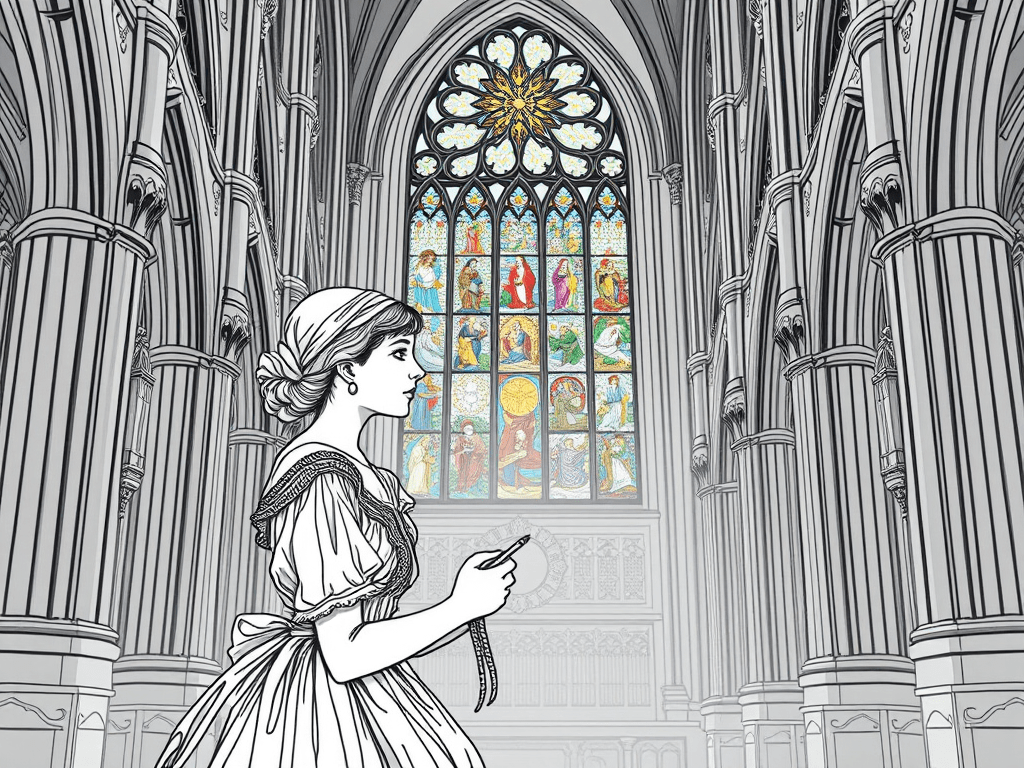
Émile Zola’s Le Rêve intricately balances naturalism, sentimentality, and religious idealism within the Rougon-Macquart cycle. Centered on Angélique and Félicien’s tragic love, it critiques patriarchal control and reveals determinism’s grip on dreams and desires. Ultimately, the novel explores the tension between scientific observation and spiritual transcendence, embodying a haunting complexity of human experience.
-
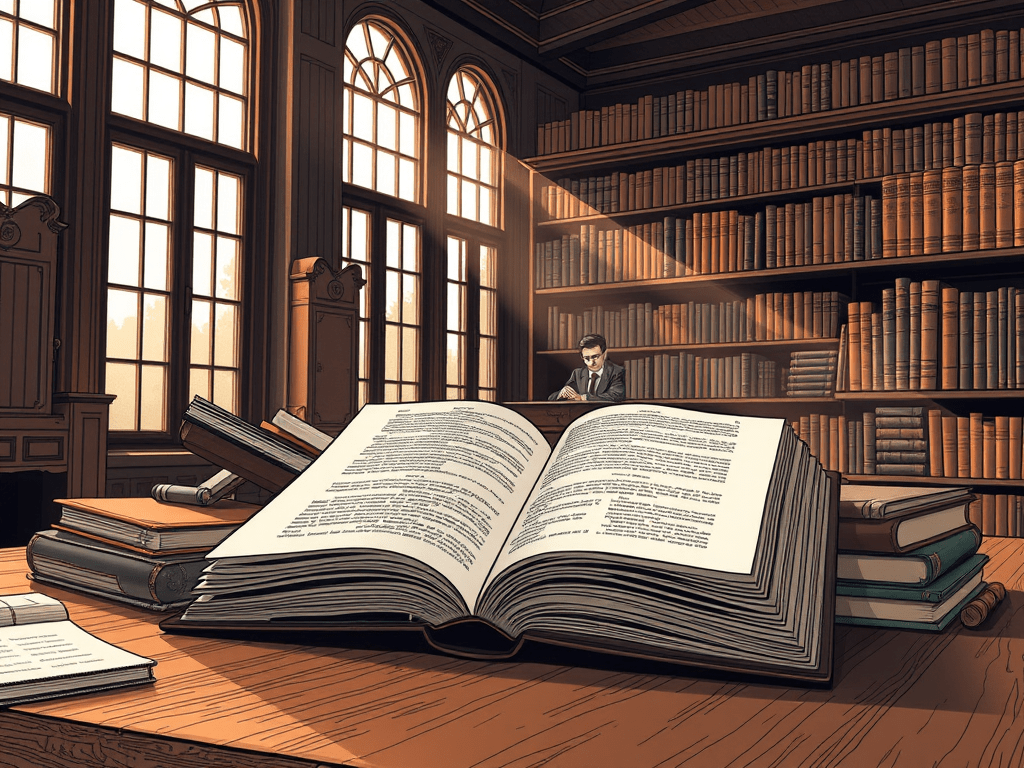
Bryan Magee’s The Philosophy of Schopenhauer is a comprehensive and clear study of Schopenhauer’s thought, emphasizing his influence on Western philosophy. Magee adeptly contextualizes Schopenhauer’s ideas while making complex concepts accessible. The work’s interdisciplinary relevance and critical engagement with Schopenhauer’s limitations make it an essential read for scholars and students alike.
-

Ben Shattuck’s The History of Sound: Stories is a collection of twelve interconnected tales set in New England, exploring themes of memory, loss, and identity across three centuries. Utilizing a unique couplet structure, the narratives intertwine personal and historical artifacts, creating a layered exploration of how the past shapes present realities.
-

Aristotle’s Poetics is a cornerstone of literary theory exploring tragedy and aesthetics, yet it reflects the ideological biases of ancient Athenian society. From a Marxist view, it reinforces class hierarchies and serves conservative functions in art, necessitating historical materialist reinterpretation to understand underlying socio-economic conditions influencing artistic production.
-
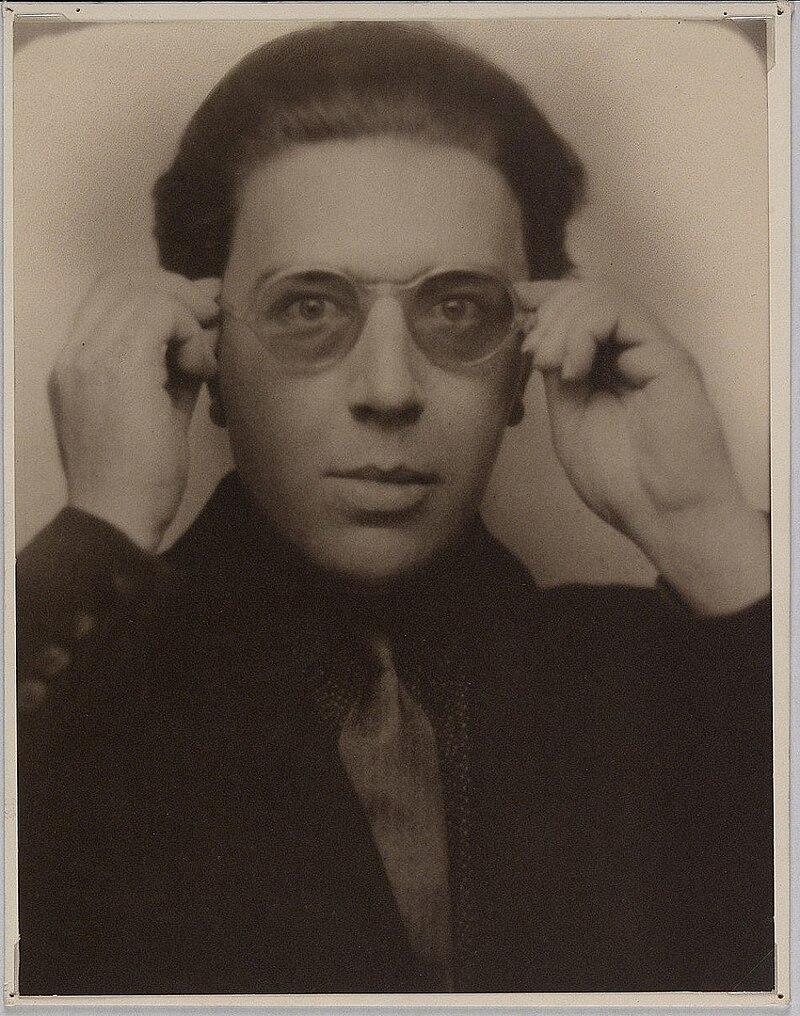
André Breton’s Nadja, a key Surrealist work, intertwines memoir and novel, exploring themes of alienation, desire, and bourgeois rationalism through the character of Nadja. Mark Polizzotti’s translation preserves the text’s complexity, highlighting its paradoxes. The narrative critiques capitalist culture while exposing gendered contradictions in artistic liberation, making it vital for Marxist discourse.
-
André Breton, born in 1896, was a key figure in Surrealism, blending literary and political pursuits. Initially influenced by Symbolist writers and psychiatry, Breton’s Dada involvement led to automatic writing, defining Surrealism in 1924. His complex relationship with Marxism aimed to connect art and revolution, impacting 20th-century cultural history significantly.
-

Frida Kahlo (1907–1954) was a prominent Mexican artist known for her self-portraits that explored identity, gender, and class struggle through a socialist lens. Influenced by her tumultuous life experiences, marriage to Diego Rivera, and communist activism, her politically charged works critique capitalism and imperialism, solidifying her legacy as a cultural icon.
-

Clifford Irving’s FAKE! explores the life of notorious art forger Elmyr de Hory, combining investigative journalism with engaging storytelling. The book delves into forgery techniques, psychological motivations, and the art world’s susceptibility to deception. Rich in detail and dark humor, it’s a captivating read for art lovers and true crime fans alike.
-

Kenneth Perenyi’s memoir, Caveat Emptor: The Secret Life of an American Art Forger, reveals his journey as a notorious art forger. The book intricately discusses forging techniques, the vulnerabilities of the art market, and questions of authenticity and value, all presented with engaging storytelling and insightful reflections on art and deception.
-
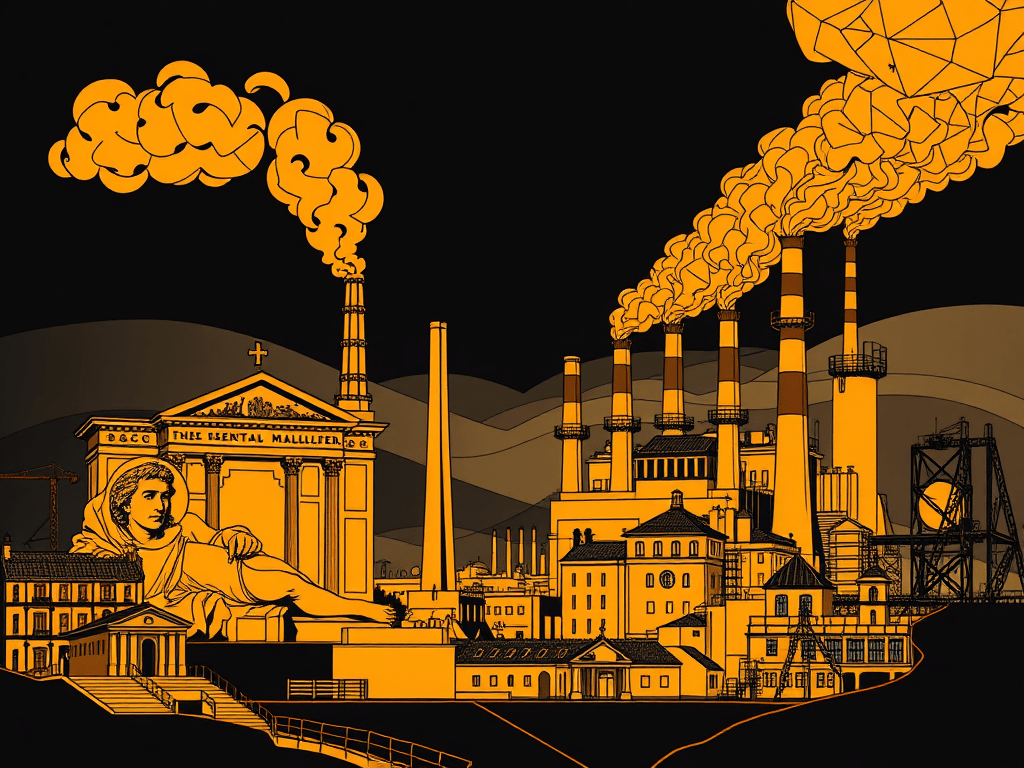
The Marxist perspective on art challenges traditional notions of artistic genius by positioning art within the material conditions and social relations of its time. It asserts that art not only reflects societal contradictions but can also inspire change. This interplay of freedom and constraint underscores art’s complex role in shaping consciousness and society.
 Letters from Tomis