-
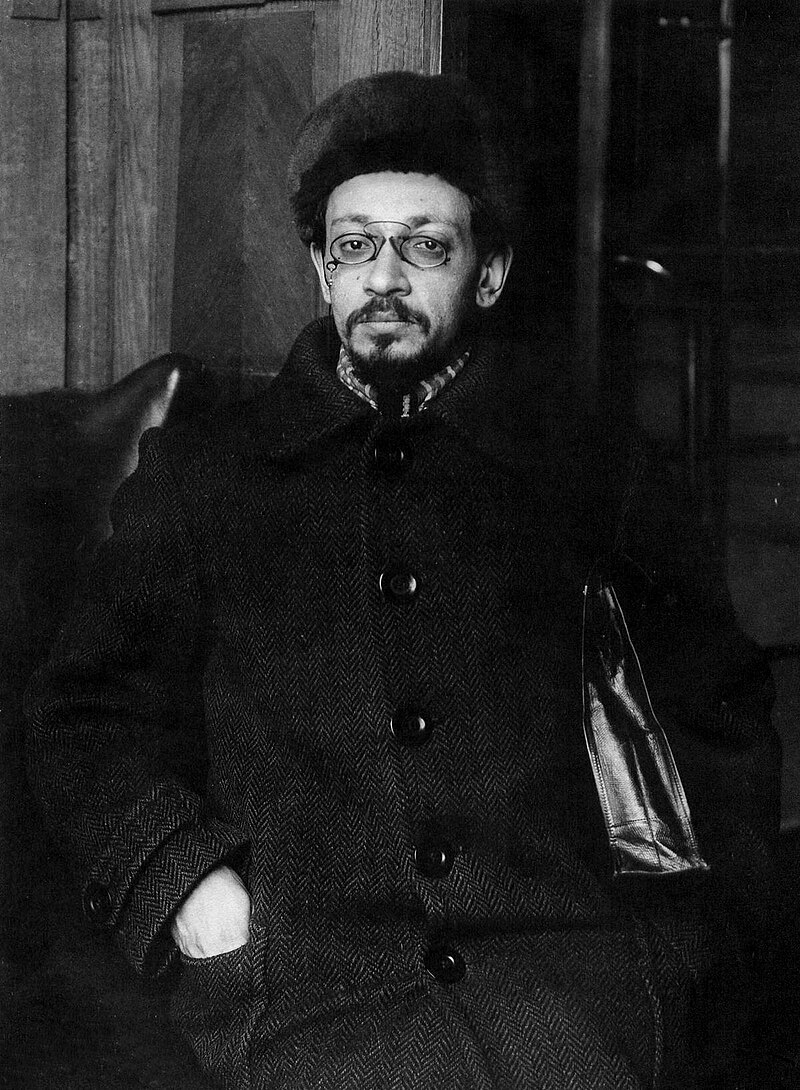
Yakov Sverdlov (1885–1919) was a key figure in the Russian Revolution, known for his organizational skills within the Bolshevik party. As the first head of the Soviet state, he played an essential role in consolidating power and developing the party-state structure. His early death curtailed a potentially significant political legacy.
-

Leon Trotsky’s “Leon Trotsky Presents the Living Thoughts of Karl Marx” provides a dynamic introduction to Marxist thought, emphasizing historical materialism and the labor theory of value. Written in exile, Trotsky combines pedagogical and polemical tones, urging readers to view Marxism as a living method for social transformation rather than a static doctrine.
-

Hosea Hudson (1898–1988) was a significant African American Communist leader and labor activist in the mid-20th century. His life highlights the intersection of race, class, and political radicalism. Despite facing repression, he organized Black workers and contributed to labor movements, leaving a legacy that connects Black struggle to broader socialist politics.
-

Marxist economic theory provides insights into value production and inflation within capitalism. It emphasizes labor’s role in generating value, critiques capitalist exploitation, and interprets inflation as a reflection of class struggle and distributional conflicts. The evolution of capitalism, globalization, and technological change challenge traditional value concepts, prompting ongoing debates within Marxist circles.
-

My Socialist Hall of Fame During this chaotic era of vile rhetoric and manipulative tactics from our so-called bourgeois leaders, I am invigorated by the opportunity to reflect on Socialists, Revolutionaries, Philosophers, Guerrilla Leaders, Partisans, and Critical Theory titans, champions, and martyrs who paved the way for us—my own audacious “Socialism’s Hall of Fame.” These…
-
For those brave souls that have journeyed with me over the last year or so, I say thank you wholeheartedly. Your support and engagement have been invaluable. Over the last months, I have diligently published my backlog of essays to this blog on a daily basis, each piece carefully crafted with the intention of shedding…
-

Upton Sinclair (1878–1968) was a prominent American novelist and social activist known for his work, particularly The Jungle, which exposed industrial capitalism’s social injustices. His literary career, marked by nearly 100 books, demonstrated his commitment to socialism and social reform, profoundly influencing American public opinion on labor and class issues during the early 20th century.
-
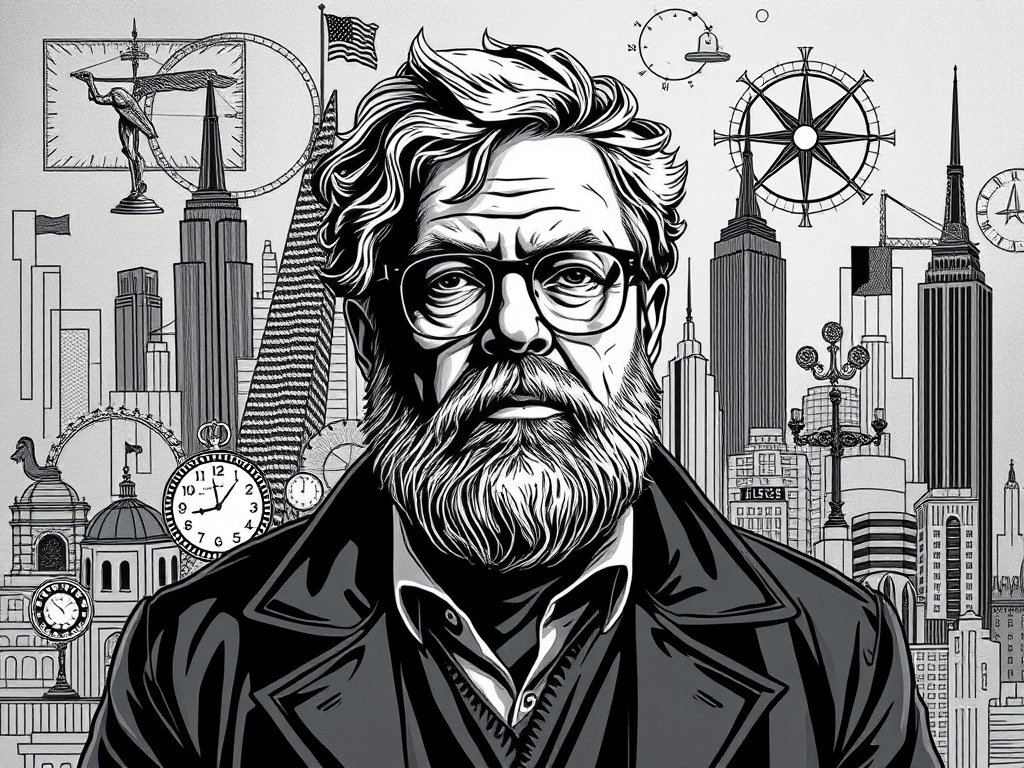
Frederic Jameson’s Postmodernism examines late capitalism’s cultural dynamics, identifying postmodernism as a critical ideological manifestation. While praised for its historical materialism, it lacks a revolutionary praxis, offering diagnostics instead of solutions. Jameson emphasizes the need for cognitive mapping but fails to connect these ideas with grassroots political action, ultimately serving as a theoretical lens rather…
-

My Socialist Hall of Fame During this chaotic era of vile rhetoric and manipulative tactics from our so-called bourgeois leaders, I am invigorated by the opportunity to reflect on Socialists, Revolutionaries, Philosophers, Guerrilla Leaders, Partisans, and Critical Theory titans, champions, and martyrs who paved the way for us—my own audacious “Socialism’s Hall of Fame.” These…
-

Émile Zola’s Money explores finance capitalism and moral decay during the Second Empire through the character Aristide Saccard. While offering insights into 19th-century capitalism and financial mechanisms, the novel suffers from narrative redundancy and lack of psychological depth. It serves as a significant study of Zola’s naturalism but lacks enduring aesthetic power.
-
Subscribe
Subscribed
Already have a WordPress.com account? Log in now.
 Letters from Tomis