-

Gratitude is an essential, often overlooked virtue that transcends servility and entitlement. It involves recognizing the beauty in life’s fleeting moments without attributing them to a cosmic benefactor. True gratitude confronts negativity, fostering joy and inquiry, while remaining a dynamic force for positive change rather than manipulation. Happy Thanksgiving.
-
Joseph Moldover’s novel Just Until is a poignant exploration of grief, love, and healing. Through authentic characters experiencing profound loss, Moldover captures the complexities of human emotion with simple yet evocative prose. The narrative highlights both pain and hope, emphasizing the transformative power of connection and the everyday acts of healing.
-
Trumpism is a chaotic blend of grievance, celebrity worship, and opportunism, characterized by empty promises and demagoguery. It thrives on resentment and nostalgia, manipulating a populace seeking scapegoats. The complicity of intellectuals and the moral bankruptcy of its enablers expose a deeper failure of democracy, requiring urgent resistance through informed engagement.
-
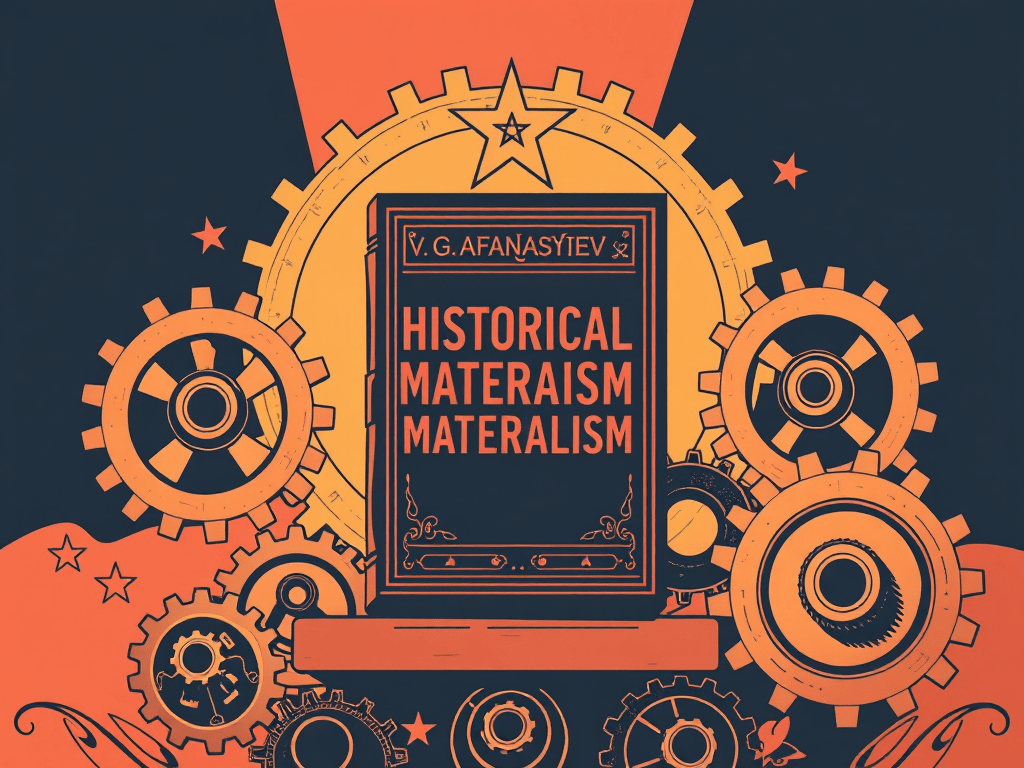
V.G. Afanasyev’s Historical Materialism is a significant Soviet-era analysis of Marxist theory, outlining the materialist conception of history with precision. While the text skillfully links theory to historical examples, it exhibits dogmatism and overlooks the nuanced interplay of factors shaping history. Despite its limitations, it remains a valuable resource for understanding Marxism in a Soviet…
-
Thanksgiving is a complex holiday, blending family, food, and a problematic historical narrative. While its origins celebrate harmony, they mask a tragic past. Amid commercialization and modern consumerism, the essence of gratitude should reflect on broader inequities, urging an active appreciation for what is truly valued in life.
-
The author expresses frustration and despair over U.S. politics, viewing the Harris-Walz ticket as a lesser evil compared to Trump-Vance. They argue that elections reinforce capitalist dominance, benefitting the ruling class while failing to address systemic inequalities. Genuine change requires grassroots organization and revolutionary theory, not mere electoral reforms.
-
Emile Zola’s The Kill critiques Second Empire France’s moral decay through its characters, Aristide Saccard and Renée. The novel’s vivid depictions of greed and decadence expose societal corruption and complicity, challenging readers to confront their own desires. While lacking structural tightness, it offers a powerful indictment of privilege and ambition amid urban transformation.
-
The author reflects on their feelings of exile in the current societal landscape, reminiscent of Ovid’s banishment. They express sorrow over lost ideals of equity, highlighting the necessity for dignity, compassion, and justice for all individuals. Through these “letters,” they seek to understand and inspire a vision for a better future.
-
Subscribe
Subscribed
Already have a WordPress.com account? Log in now.
 Letters from Tomis