-

The author reflects on the complex nature of self-identity, expressing uncertainty about who they truly are. They discuss how identity is shaped by experiences, relationships, and what they reject, emphasizing the importance of curiosity and growth. Ultimately, they see themselves as a work in progress, continually evolving and seeking meaning.
-

Rosa Luxemburg’s Reform or Revolution, written in 1899, critiques revisionist socialism, emphasizing that reforms cannot resolve capitalism’s inherent contradictions. Luxemburg advocates for revolutionary action as essential for achieving social justice, presenting a thoughtful interplay between reform and revolution. Her passionate arguments urge a collective struggle for a world beyond capitalism.
-

The belief that history repeats itself oversimplifies the complexities of human experience. While patterns exist, history should be viewed as a spiral rather than a circle, shaped by human choices. Learning from past mistakes allows for progress and change, empowering humanity to carve new paths instead of reliving old errors.
-
Nathan Thrall’s A Day in the Life of Abed Salama offers a profound portrayal of life under occupation through the lens of Abed Salama’s search for his son after a school bus accident. The narrative intertwines personal and political realities, highlighting systemic inequalities while humanizing the Palestinian experience, ultimately inspiring empathy and reflection.
-
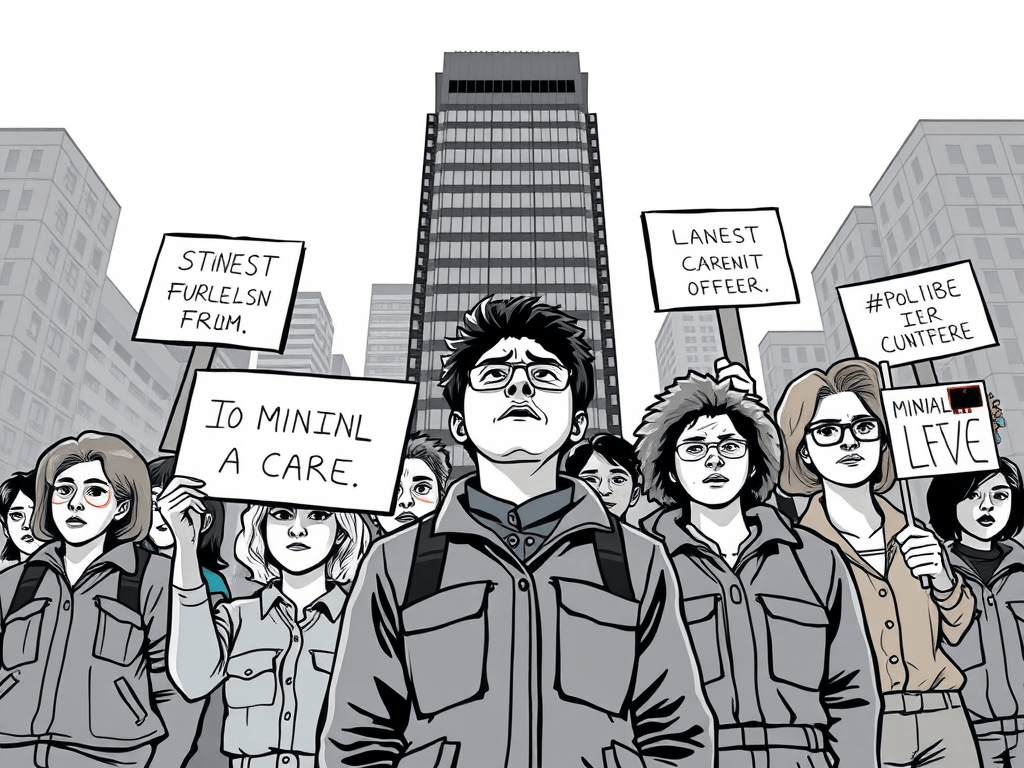
The human spirit endures injustices but may erupt against minor affronts that symbolize deeper frustrations. Workplace indignities often catalyze rebellion, revealing collective strength. Small incidents crystallize everyday humiliations, igniting strikes as workers reclaim their dignity. These actions affirm worth and humanity, highlighting a fundamental truth about resistance against oppression.
-

The shooting of the UnitedHealthcare CEO highlights the moral decay of a society rife with contradictions of late capitalism. This act reveals systemic injustices, as capitalism’s legal framework obscures exploitation. Violence is not a solution but a symptom of despair, stemming from a healthcare system that prioritizes profit over human life.
-
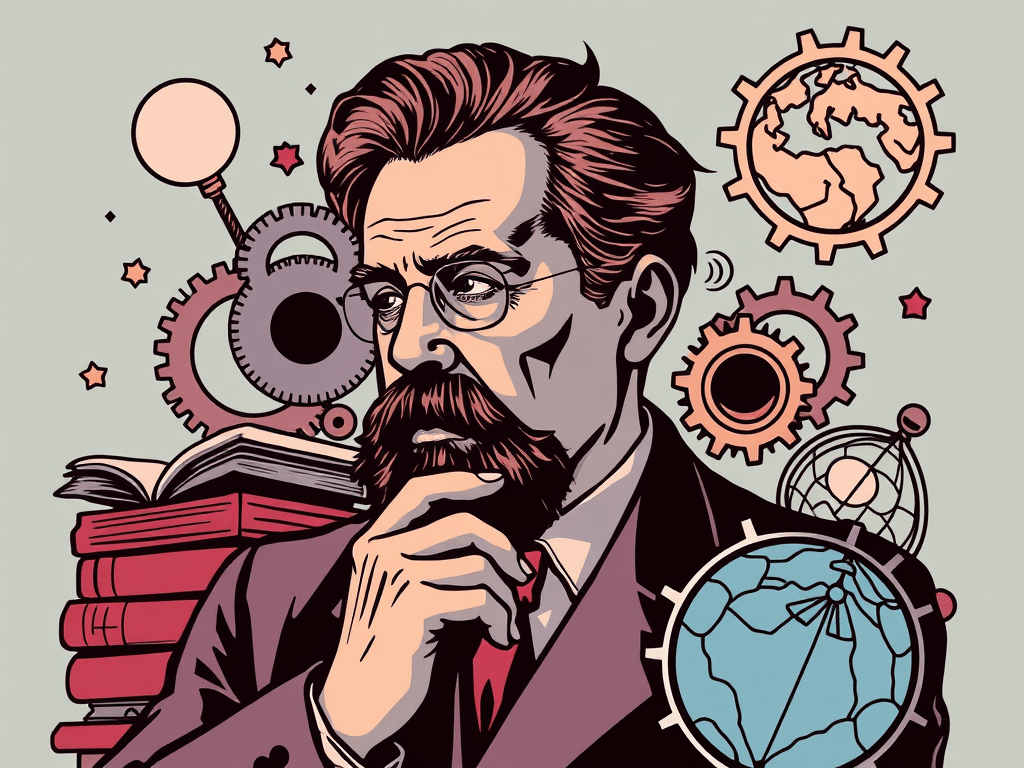
In the tenth installment of reflections on What is Marxism by Sewell and Woods, Trotsky’s The ABC of Materialist Dialectics is praised for its clarity and passion. It connects philosophical concepts with class struggles, viewing contradictions as catalysts for change. Trotsky offers a dynamic approach to dialectics, urging critical thought and action for social transformation.
-

Formal logic, often overlooked, is essential for clear thinking and moral reasoning, providing rigorous principles for valid arguments. Originating from Aristotle, it serves both philosophy and society by exposing unexamined assumptions and fallacies. In an age of emotional discourse, its principles are vital for distinguishing truth from confusion and fostering intellectual clarity.
-
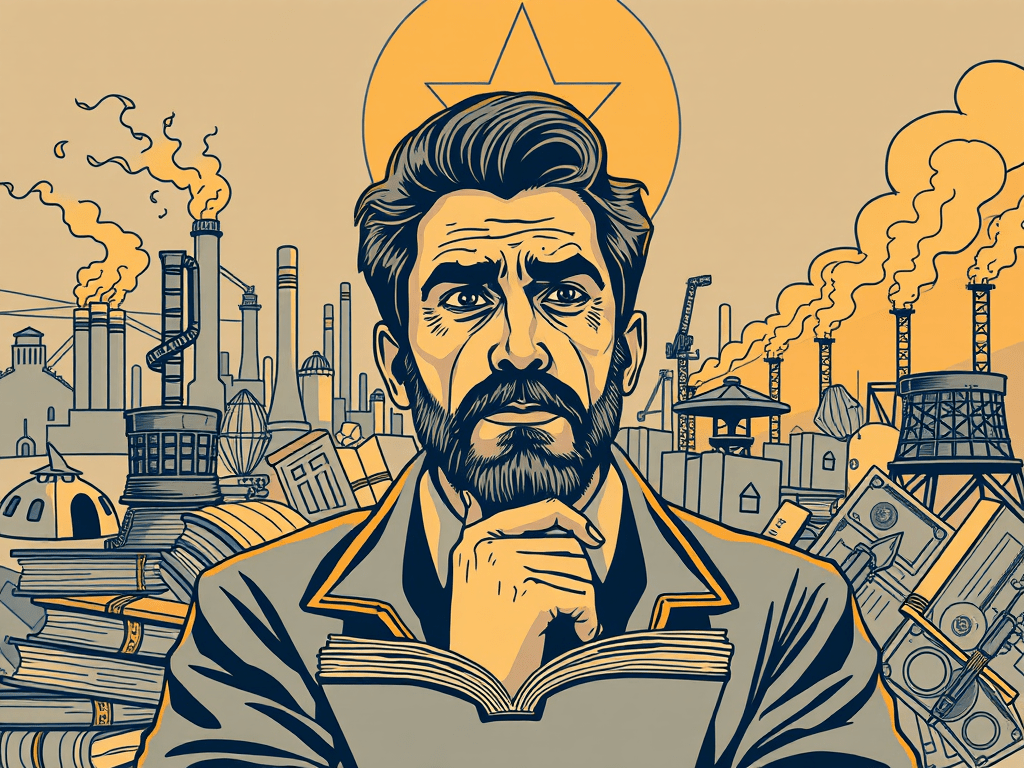
Declaring oneself a Marxist today invites skepticism due to historical misuses of Marxism. However, the author embraces a critical and ethical Marxism that critiques power structures and capitalism’s inherent contradictions. This perspective promotes human dignity, challenges the status quo, and insists on the necessity of exploring alternatives to injustice and inequality.
-

Mechanistic materialism, while intellectually appealing, offers a limited perspective on reality. It reduces complexities of existence, including creativity and morality, to mere physical processes. Although materialism has grounded our understanding of the universe, it fails to acknowledge essential dimensions of human experience and understanding, necessitating a broader approach to reality.
-
Subscribe
Subscribed
Already have a WordPress.com account? Log in now.
 Letters from Tomis