-

This series of reflections on historical materialism explores the interplay between individual agency and societal structures in Marxist thought. It emphasizes that while individuals shape history, they operate within existing material conditions. This dialectical relationship underlines the complexities of historical development, challenging simplistic interpretations of history as solely driven by impersonal forces or individual will.
-
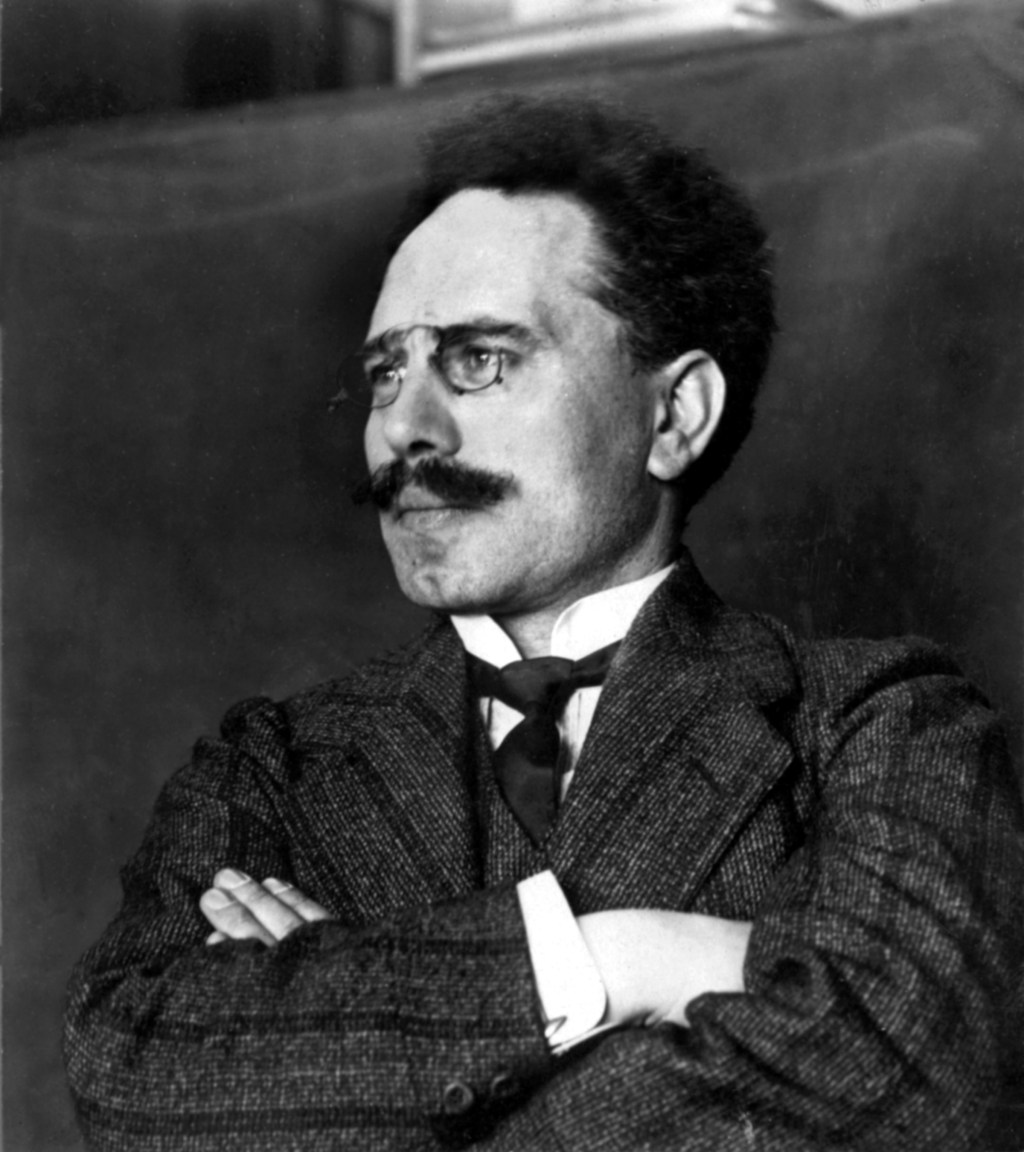
The text highlights the legacy of Karl Liebknecht and Rosa Luxemburg as symbols of socialist resistance against capitalism and militarism. Their contributions to political activism and critical theory have inspired future generations. Despite personal flaws, they embody the ongoing struggle for justice, equality, and workers’ rights, making them enduring figures in socialist history.
-
Peter Gordon discusses his book “A Precarious Happiness,” focusing on Theodor Adorno, in a recent interview featured in “The Nation.” The conversation explores the themes and insights from the book, making it a compelling read for those interested in Adorno’s philosophy and its implications in contemporary culture.
-

A reflection on the complex issue of free will through philosophical and theological lenses, questioning whether true agency exists or if all actions are determined by external factors. Despite the potential illusion of free will, the author emphasizes its importance for moral responsibility and societal functionality, advocating for mindful choices regardless of determinism.
-

Samantha Harvey’s novel “Orbital” explores personal journeys within a cosmic setting but struggles with execution. The lyrical prose often overshadows emotional depth, leaving characters feeling underdeveloped. While it touches on themes of isolation and connection, the uneven pacing and repetitive introspection ultimately detract from the narrative’s impact.
-

The reflections explore humanity’s relationship with nature, emphasizing our similarities with other species while acknowledging our unique traits like language, art, and consciousness. The narrative critiques the arrogance of human superiority, illustrating how our capacity for creation and destruction defines us. Ultimately, it suggests that understanding our place within nature is crucial.
-

Slavoj Žižek’s Looking Awry presents Jacques Lacan’s theories through popular culture, making complex concepts accessible. With clarity and humor, Žižek analyzes films and media, enhancing understanding of psychoanalysis while engaging readers. The book celebrates the interplay of theory and culture, appealing to both scholars and newcomers. Highly recommended for its enriching insights.
-

This content reflects on Walter Benjamin, a pivotal figure in Marxist and critical theory. His works, engaging with art, culture, and modernity, illustrate the destructive impact of capitalism. Benjamin’s profound insights and tragic end underscore his enduring legacy in the humanities, influencing various fields and encouraging revolutionary thought.
-
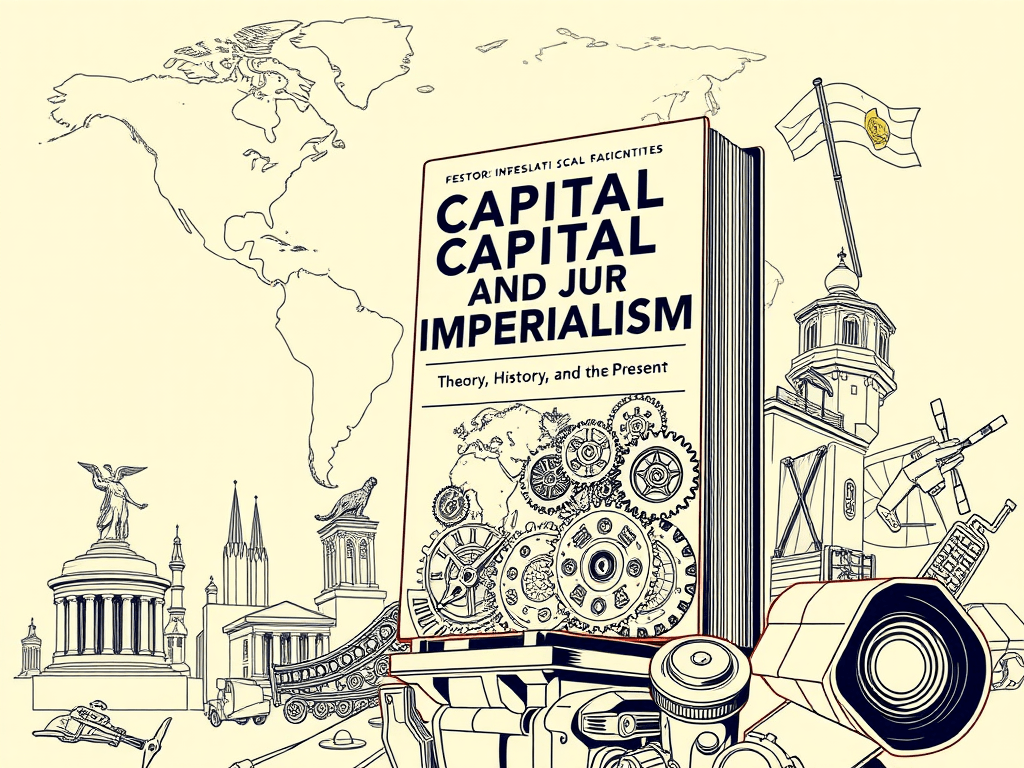
“Capital and Imperialism: Theory, History, and the Present” by Utsa and Prabhat Patnaik analyzes the connection between capitalism and imperialism, exploring their historical roots and contemporary implications. The authors provide accessible insights into global economic inequalities, emphasizing the ongoing exploitation from the Global South to the Global North and offering pathways toward a more equitable…
-
The Marxist perspective on art challenges traditional notions of artistic genius by positioning art within the material conditions and social relations of its time. It asserts that art not only reflects societal contradictions but can also inspire change. This interplay of freedom and constraint underscores art’s complex role in shaping consciousness and society.
-
Subscribe
Subscribed
Already have a WordPress.com account? Log in now.
 Letters from Tomis