-
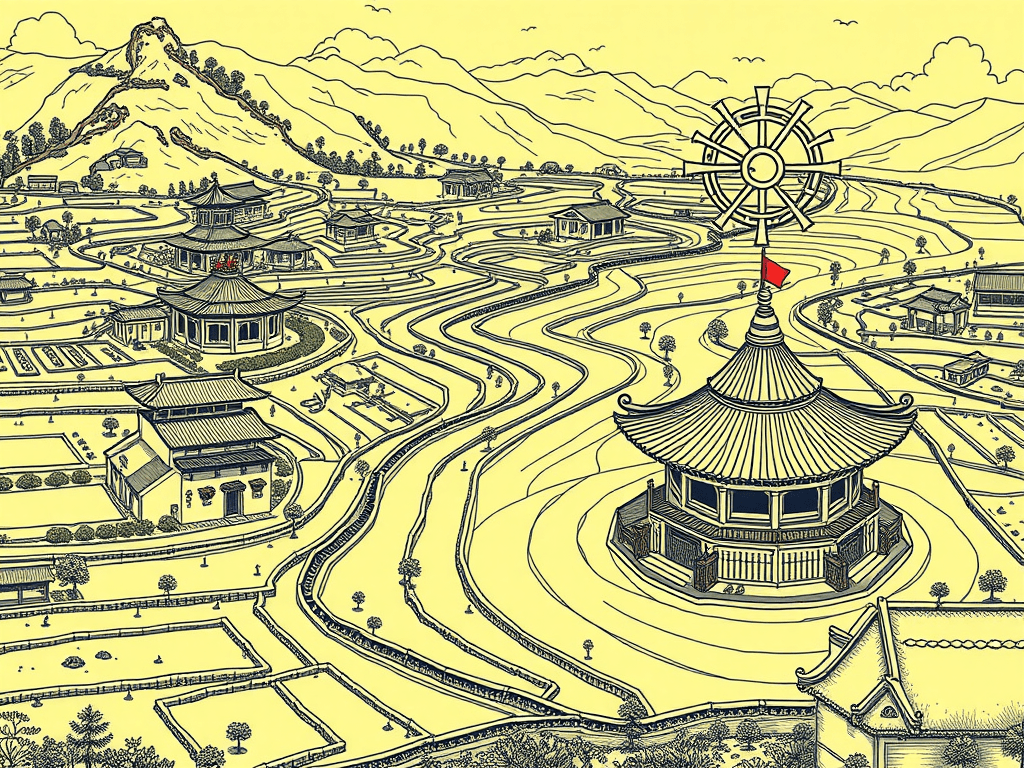
I reflect on Karl Marx’s concept of the Asiatic mode of production (AMP) after reading What is Marxism. Unlike feudal and capitalist systems, the AMP features centralized state control and lacks dynamic class struggles, rendering it a marginal idea in Marx’s work. The critique of contemporary authoritarianism, however, reinvigorates its relevance today.
-

Pier Paolo Pasolini, born in 1922 in Bologna, was a prolific Italian writer and filmmaker known for his social realism and critiques of bourgeois values. His works, including poetry, novels, and films, explored marginalized communities and taboo subjects. Pasolini’s controversial death in 1975 elevated his legacy as a significant cultural figure influencing literature and cinema.
-
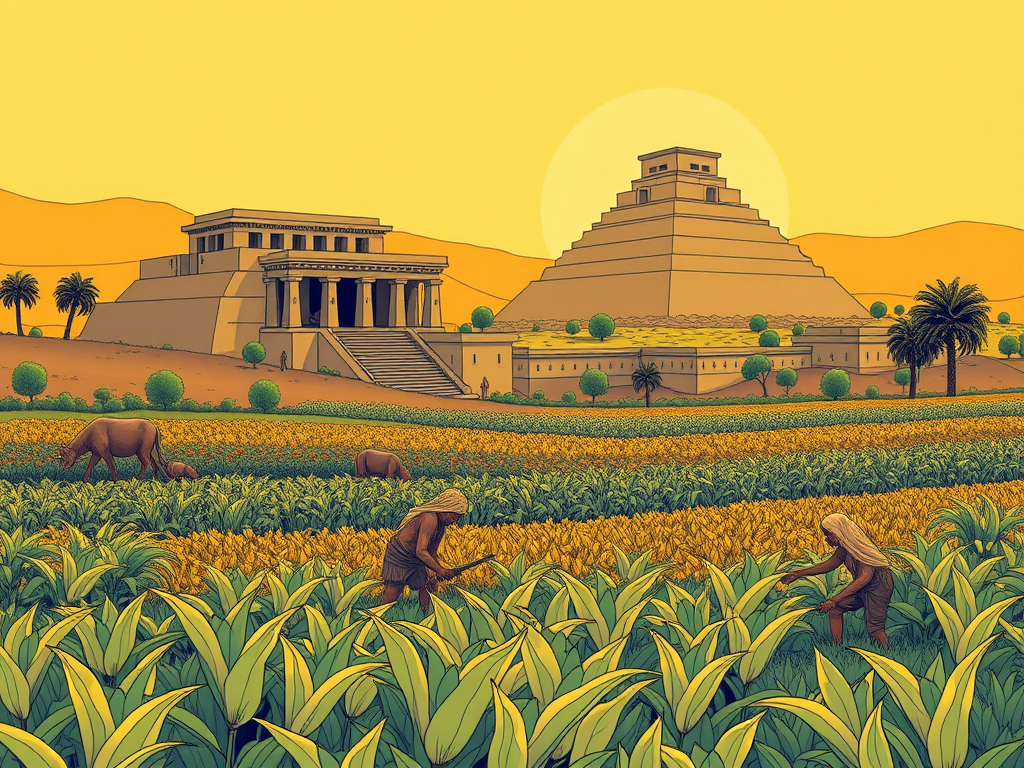
The Neolithic Revolution signifies a pivotal shift from hunter-gatherer societies to agriculture, reshaping human relations. Historical materialism emphasizes that this transformation created surplus production, leading to class divisions and exploitation. The ensuing economic base established power hierarchies and reinforced gender inequalities, illustrating that history is driven by material conditions rather than ideals.
-
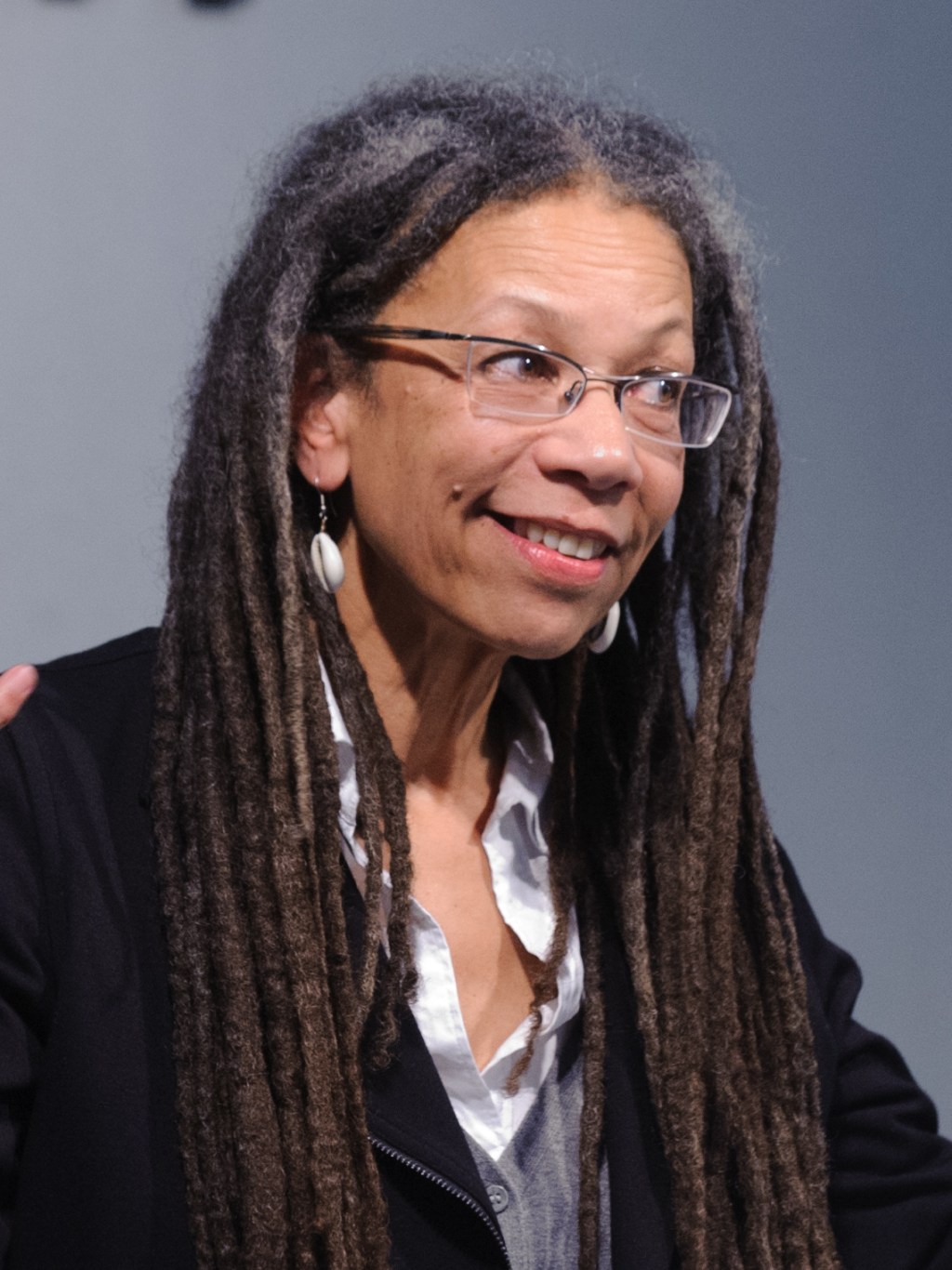
Ruth Wilson Gilmore, born in 1950 in New Haven, Connecticut, is a prominent academic and activist renowned for her work on carceral geography and the prison-industrial complex. A professor at CUNY, she co-founded multiple organizations advocating for prison abolition. Her influential scholarship examines incarceration’s spatial aspects and intersections with race and labor.
-
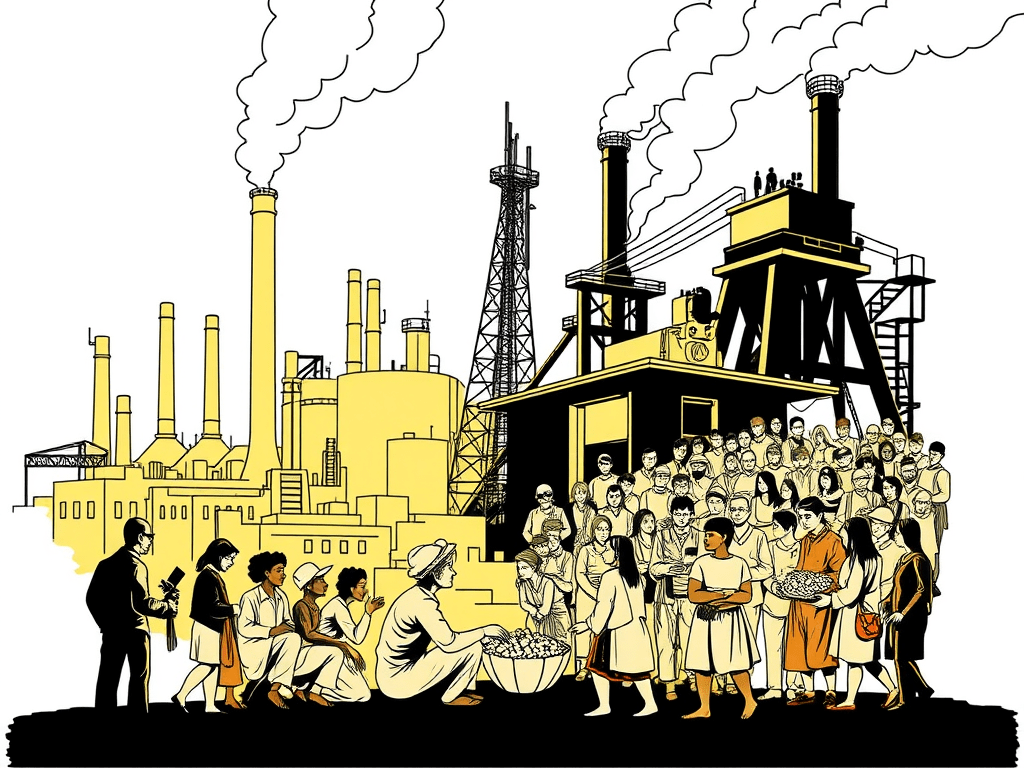
The debate about human selfishness is framed through a Marxist perspective, which argues that selfishness is a product of capitalism rather than inherent human nature. Historical materialism suggests that socio-economic conditions shape behavior, with cooperation prevalent in pre-capitalist societies. Socialism presents an opportunity to foster solidarity and reject selfishness, challenging the notion that it is…
-
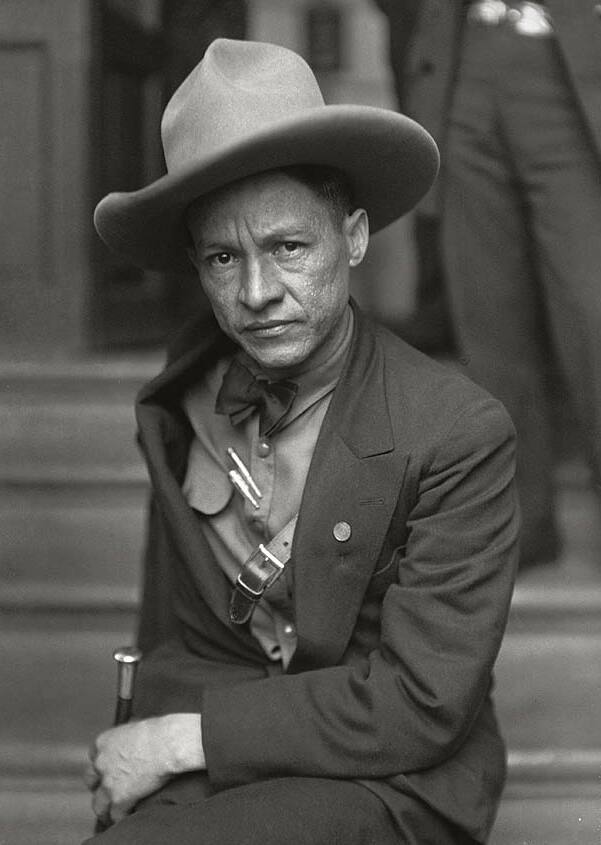
I reflect on their “Socialism’s Hall of Fame,” highlighting figures like Augusto Sandino, a revolutionary leader in Nicaragua. The post discusses Sandino’s early life, his fight against U.S. occupation, and his lasting legacy, urging readers to explore the historical impacts of imperialism on Central America through insightful resources like a Jacobin Radio podcast.
-
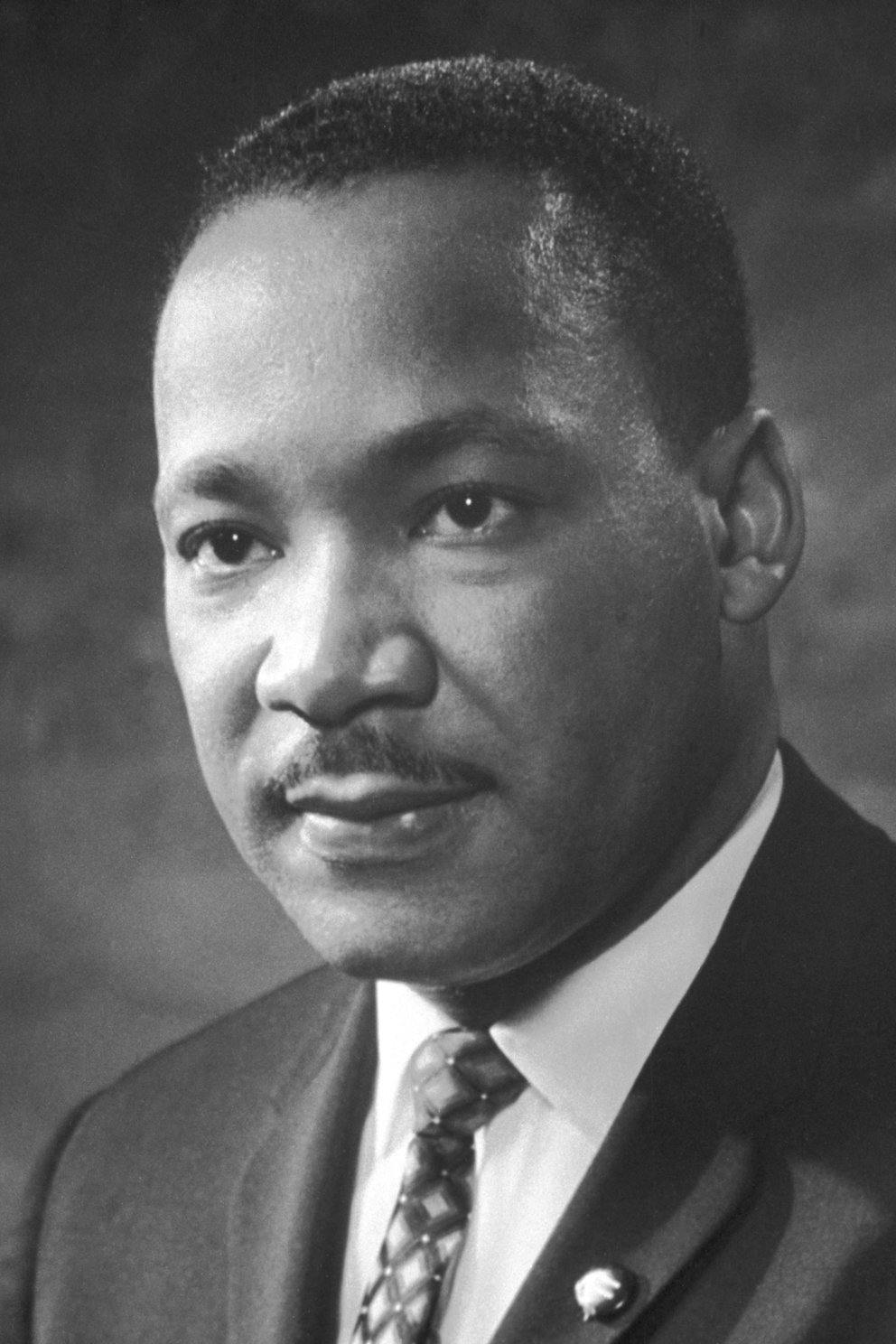
Today, we honor Dr. Martin Luther King Jr., a symbol of justice and nonviolent resistance whose legacy inspires ongoing movements. While significant progress was made, the struggle against systemic racism, inequality, and injustice continues. Martin Luther King Jr. Day serves as a reminder to act and serve, embracing his vision for a just society.
-

Luís Carlos Prestes, a Brazilian revolutionary and military leader, significantly impacted the fight for social justice. He led the Prestes Column in the 1920s, became a prominent figure in the Communist movement, and suffered imprisonment after a failed uprising against Getúlio Vargas. Prestes’ legacy endures in Brazil’s political landscape.
-
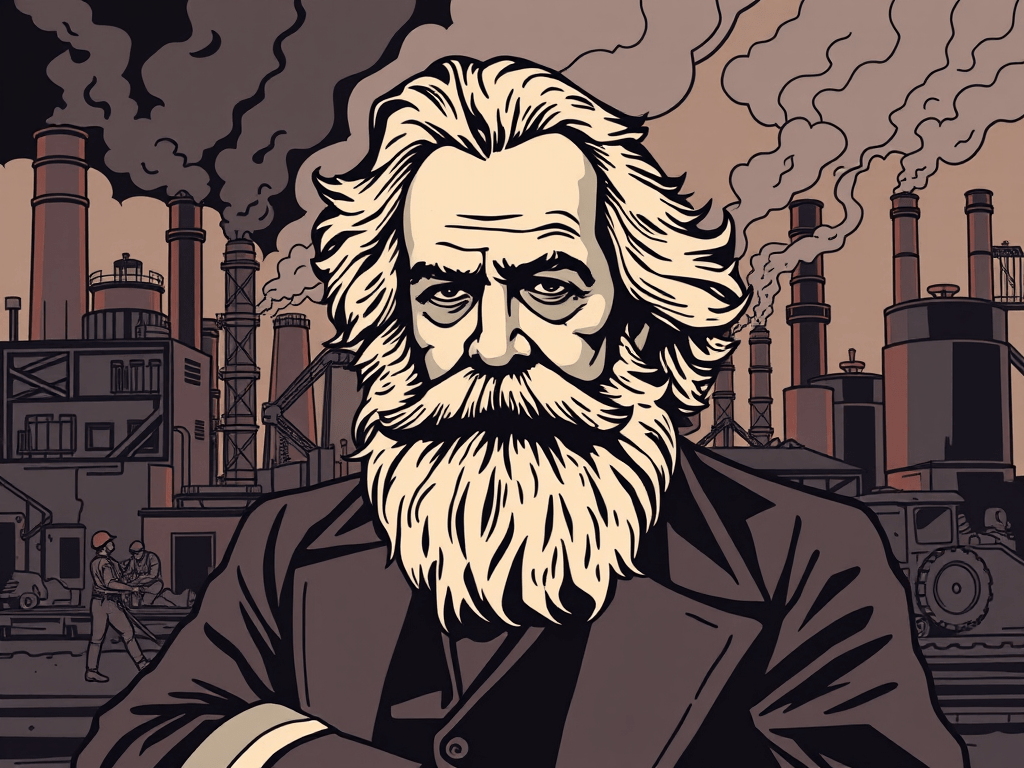
This reflection on historical materialism, inspired by What is Marxism by Sewell and Woods, explores class as a driving force in societal evolution. Marx’s view of class transcends economic status, focusing on relationships to production and the exploitation inherent in capitalism. It emphasizes the importance of class consciousness in revolutionary change and critiques contemporary misunderstandings…
-
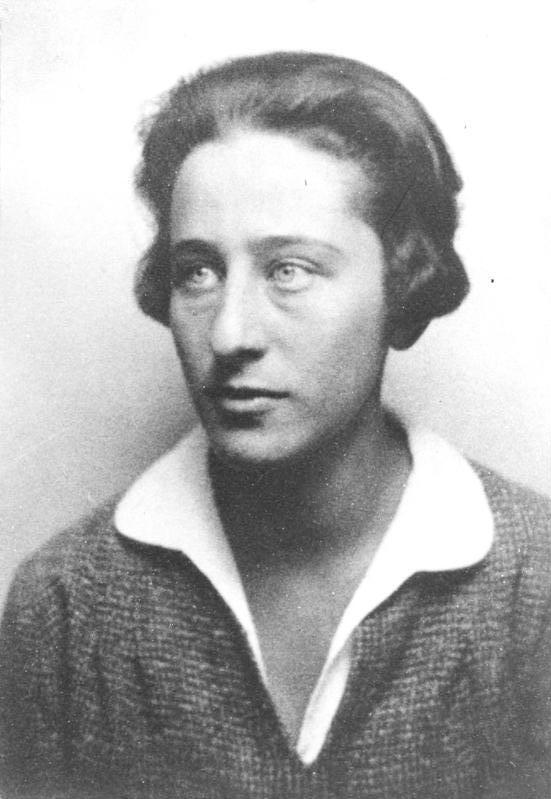
Olga Benário, born in 1908 in Munich, became a notable communist activist after joining the Communist Party of Germany. Her efforts in revolutionary movements led her to Brazil, where she worked alongside Luís Carlos Prestes. Captured and deported to Nazi Germany, she faced persecution and ultimately was executed in 1942. Her legacy symbolizes courage against…
-
Subscribe
Subscribed
Already have a WordPress.com account? Log in now.
 Letters from Tomis