-

Haruki Murakami’s Norwegian Wood, published in 1987, marks a shift from his typical magical realism to a poignant exploration of love, loss, and human connection. Set in 1960s Tokyo, it follows college student Toru Watanabe’s emotional struggles through a love triangle, addressing grief and mental health, though criticisms arise regarding characterization and gender dynamics.
-

St. Valentine’s Day has evolved from its origins into a commercialized event that prioritizes consumerism over genuine expressions of love. This holiday pressures individuals to demonstrate affection through material gifts, reinforcing gender stereotypes while commodifying relationships. Ultimately, it raises questions about the true meaning of love and its relationship with capitalism.
-
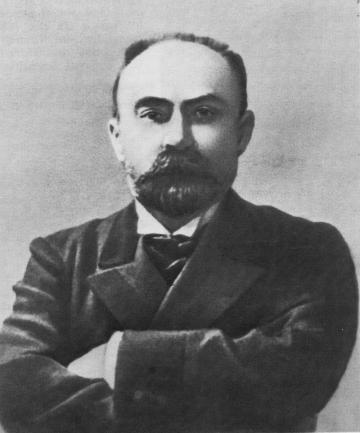
Georgi Plekhanov, born into a minor noble family in Russia, became a pivotal figure in the revolutionary movement, known as the “father of Russian Marxism.” As a writer and philosopher, he laid the theoretical groundwork for socialism in Russia, opposing populism and promoting proletarian revolution. He died in 1918, critiquing Bolshevik tactics.
-
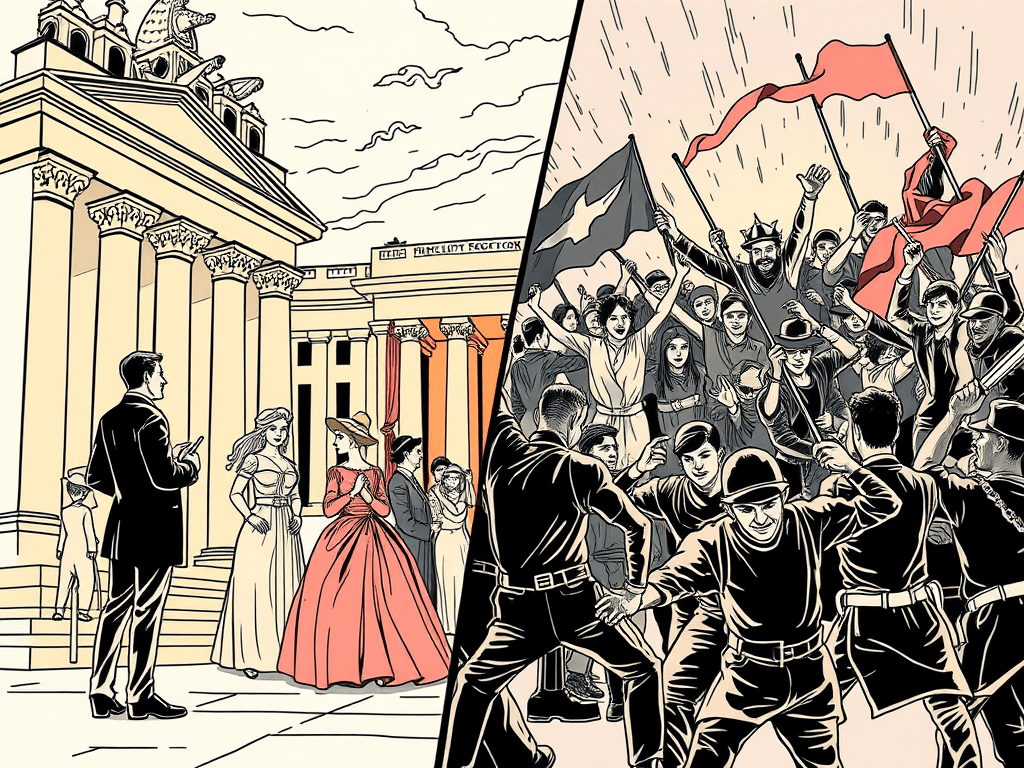
Revolutions have paradoxical traits, blending change with continuity. Bourgeois revolutions like the French and American prioritize reforming power structures without challenging property rights, benefiting the educated upper classes. In contrast, proletarian revolutions, exemplified by the Bolshevik Revolution, aim to dismantle capitalist systems entirely, seeking radical transformation for the dispossessed masses.
-

Heinz Kapelle (1913-1941) was a German communist and anti-fascist activist symbolizing resistance against the Nazi regime. Born in a working-class family, his activism grew amidst the rise of fascism. Arrested for high treason, he was executed for his unwavering commitment to his ideals. Kapelle’s legacy inspires ongoing struggles for social justice.
-

I discuss capitalism’s unique drive for constant innovation, contrasting it with the stagnation of feudal economies. The Industrial Revolution exemplifies how advancements transformed societies, often at a human cost. However, capitalism’s inherent contradictions, like wealth concentration and displacement of workers, raise questions about its sustainability and the potential need for a new economic system.
-

Eugene V. Debs, born to French immigrant parents in 1855, became a pivotal labor leader and socialist. He co-founded the American Railway Union, led the Pullman Strike, and ran for president five times. His anti-war activism during World War I led to imprisonment. Debs’ legacy endures as a champion for workers’ rights and social justice.
-

Marx’s analysis reveals the transition from feudalism to capitalism as a shift in exploitation rather than a move toward freedom. While serfs were directly bound to land, wage workers face economic necessity, masking their oppression as choice. This continuity of exploitation challenges the romanticized view of capitalist liberation, emphasizing the need for ongoing resistance.
-
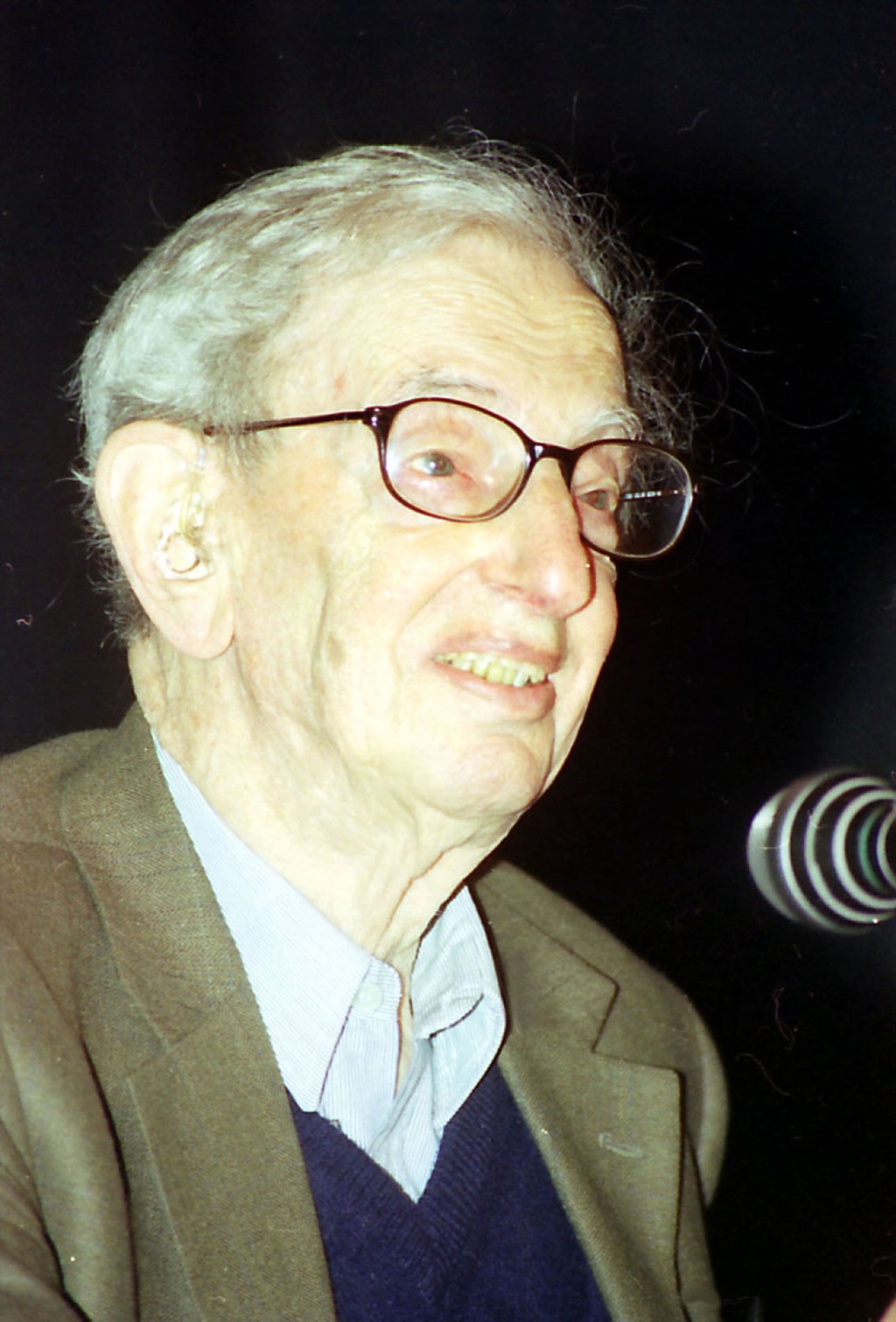
Eric Hobsbawm, a prominent historian born in Egypt, shaped by his experiences in Europe, had a significant academic career focused on social and economic history. A lifelong Marxist, he critiqued capitalism and imperialism while advocating for nuanced historical understanding. Hobsbawm authored influential works, leaving an enduring intellectual legacy upon his death in 2012.
-

The bourgeois revolutions marked significant shifts from feudalism to capitalism, driven by class struggle and economic liberation. They dismantled old hierarchies, established market economies, and fostered national identities, while also emphasizing secular authority. Despite achieving liberation, they introduced new forms of oppression, foreshadowing future class struggles for true emancipation.
-
Subscribe
Subscribed
Already have a WordPress.com account? Log in now.
 Letters from Tomis